Nigeria Aims for $1 Trillion Economy by 2030
Written by Black Hot Fire Network Team on January 31, 2026
Nigeria aims to achieve a $1 trillion economy by 2030, according to the Presidency, as the nation focuses on deepening economic and financial inclusion and establishing itself as a leading digital economy hub in Africa. The government is emphasizing reforms to restore confidence, expand inclusion, and attract investment.
2026 RegTech Africa Conference and Expo
Nigeria will host the RegTech Africa Conference and Expo from May 20 to 22, 2026, in Abuja. The event, under the patronage of the Office of the Vice President, will focus on the theme “Building trust, infrastructure, inclusion and policy for a borderless economy.” Organizers unveiled details of the conference during a media briefing at the weekend.
Economic Targets and Reforms
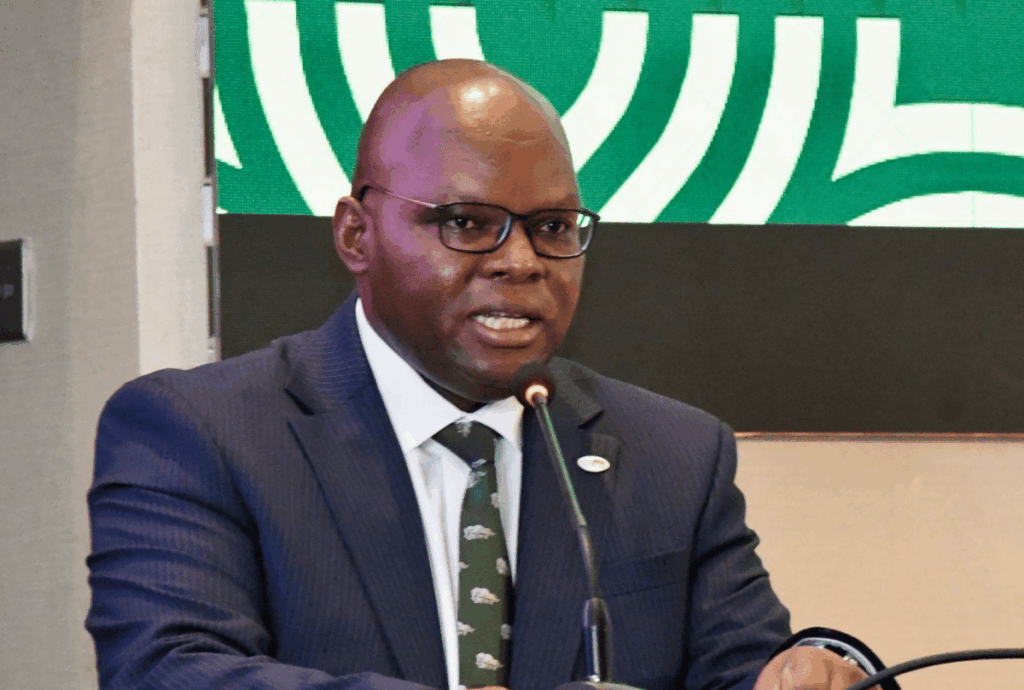
Dr. Nurudeen Zauro, Technical Adviser to the President on Economic and Financial Inclusion, stated that President Bola Ahmed Tinubu set a target of achieving a $1 trillion economy by 2030 from the beginning of his administration. He emphasized the need for trust, infrastructure, and inclusion, supported by policies promoting partnership and collaboration, to achieve this goal.
Addressing Economic Challenges
Zauro acknowledged that recent policy changes have presented difficulties for citizens but maintained that these reforms are necessary for long-term economic health. He used an analogy of a patient undergoing surgery to illustrate the need for painful but ultimately beneficial measures to restore economic stability.
Improving Economic Indicators
According to Zauro, key economic indicators are showing improvement as investor confidence gradually returns. He stated that Nigeria is reinforcing its leadership position in Africa and is on track for success.
Leveraging the African Continental Free Trade Area
The administration is utilizing the African Continental Free Trade Area (AfCFTA) to strengthen Nigeria’s regional influence. The President and Vice President are actively engaging with global partners to attract collaboration and investment.
Financial Inclusion Initiatives
The push for financial inclusion is driven by a presidential directive and anchored on the ASO Accord on Economic and Financial Inclusion. This accord prioritizes commitment, partnership, and collaboration across government. The inclusion agenda has been elevated to the National Economic Council to ensure buy-in from state governments.
Importance of Multi-Stakeholder Engagement
Organizers of the conference highlighted the importance of multi-stakeholder engagement in addressing challenges faced by citizens and businesses, particularly in rural and underserved communities. They noted that access to markets and efficient payment systems can significantly boost productivity and economic output.