Illinois Gun Law Faces Supreme Court Review
Written by Black Hot Fire Network Team on March 11, 2026
The Illinois Supreme Court heard arguments Tuesday regarding a challenge to the state’s law prohibiting individuals with nonviolent felony convictions from possessing firearms. The case centers on whether the state law aligns with the Second Amendment standard established by a recent U.S. Supreme Court ruling.
The legal debate revolves around the interpretation of the Second Amendment and its application to individuals with felony records, specifically considering historical precedents for firearm regulation.
Case Background
The case involves James Benson, who was arrested in Cook County in December 2021 following a domestic dispute with his girlfriend. During the incident, a firearm was discharged, though accounts of who fired the weapon and who owned it differed. Benson was convicted of misdemeanor battery, reckless discharge of a firearm, and unlawful possession of a firearm by a felon. The unlawful possession charge stemmed from a 2015 conviction for aggravated unlawful use of a weapon without a Firearm Owner’s Identification card. Benson is appealing the conviction, arguing the state’s law prohibiting firearm possession by felons is unconstitutional as applied to his case.
Illinois Law and Firearm Possession
Illinois law states that it is illegal for anyone to knowingly possess a firearm or ammunition if they have been convicted of a felony under Illinois or any other jurisdiction. Benson was sentenced to concurrent three-year terms for battery and reckless discharge, and four years for unlawful possession.
The Bruen Decision and its Impact
In 2022, the U.S. Supreme Court’s ruling in Bruen v. New York State Rifle & Pistol Association established a two-part test for evaluating gun control regulations. The first step requires determining if a law infringes on conduct protected by the Second Amendment. If infringement is found, the second step involves assessing whether the regulation is consistent with the historical tradition of firearm regulation.
Arguments Presented
Assistant Attorney General Garson Fischer argued that Illinois’s law is consistent with historical precedents, citing colonial-era penalties imposed on felons, including nonviolent offenders, for unlawful weapon possession. Elizabeth Cook, representing Benson, acknowledged historical regulations aimed at preventing dangerous individuals from possessing weapons but argued there is no rational basis for denying constitutional rights to individuals convicted of nonviolent felonies. She pointed to examples of felonies in Illinois that do not involve a threat of physical violence, such as eavesdropping or driving on a revoked license.
Fischer countered that Illinois law allows individuals with felony convictions to petition a court and demonstrate they do not pose a danger to the community in order to obtain a Firearm Owner’s Identification (FOID) card. Cook argued that this process is also constitutionally questionable due to the discretionary nature of the decision-making process.
Court Review
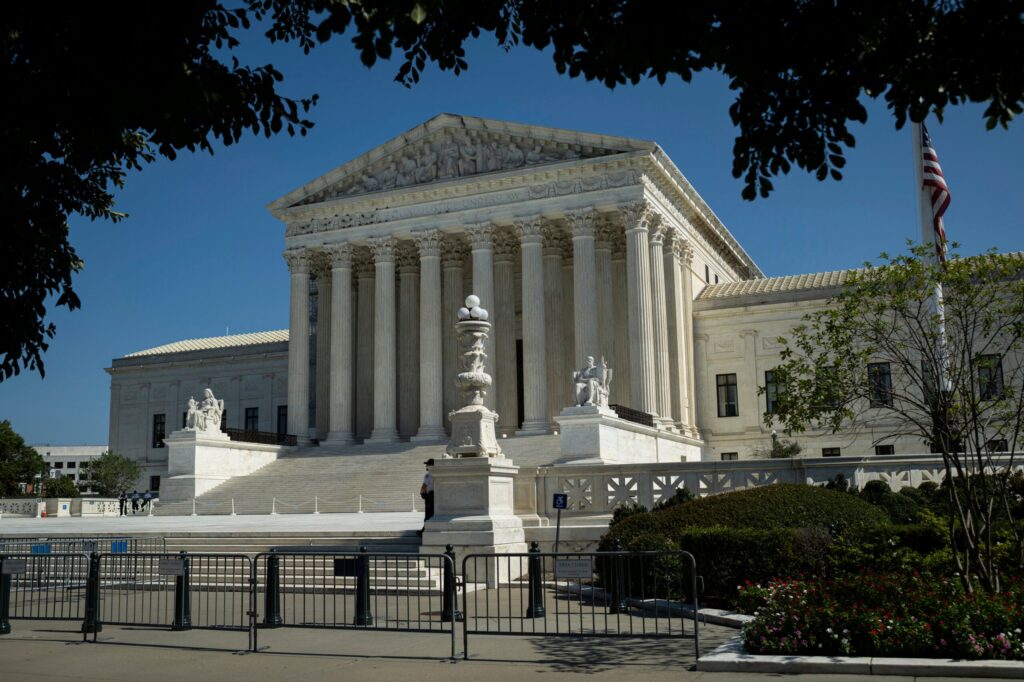
The Illinois Supreme Court has taken the case under review and has not yet issued a decision.
Reader's opinions

Continue reading
