Key Detail Emerges in Transgender Athlete Supreme Court Case
Written by Black Hot Fire Network Team on January 25, 2026
Sometime in 2018, Republican legislators began focusing on fairness in youth sports. This began when a trans high-school student won a track-and-field championship in Connecticut, prompting an Idaho legislator to draft a bill barring trans girls from athletic teams.
Legislative Efforts and Legal Challenges
The “Fairness in Women’s Sports Act” passed in Idaho in 2020 and served as a model for similar legislation proposed in 30 states. Nearly 29 states subsequently passed bans. The Alliance Defending Freedom, a conservative Christian legal group, played a significant role in supporting these legislative efforts.
Scientific Evidence and Political Motivations
Limited evidence suggests that trans girls possess athletic performance advantages, even when not taking testosterone suppressants. Republicans have not prioritized research or addressed other equity issues in women’s sports, such as funding or pay. The focus on fairness in sports has become a key issue for the current administration, culminating in an executive order revoking funding from schools where trans women and girls compete.
Supreme Court Case and Redefinition of Sex
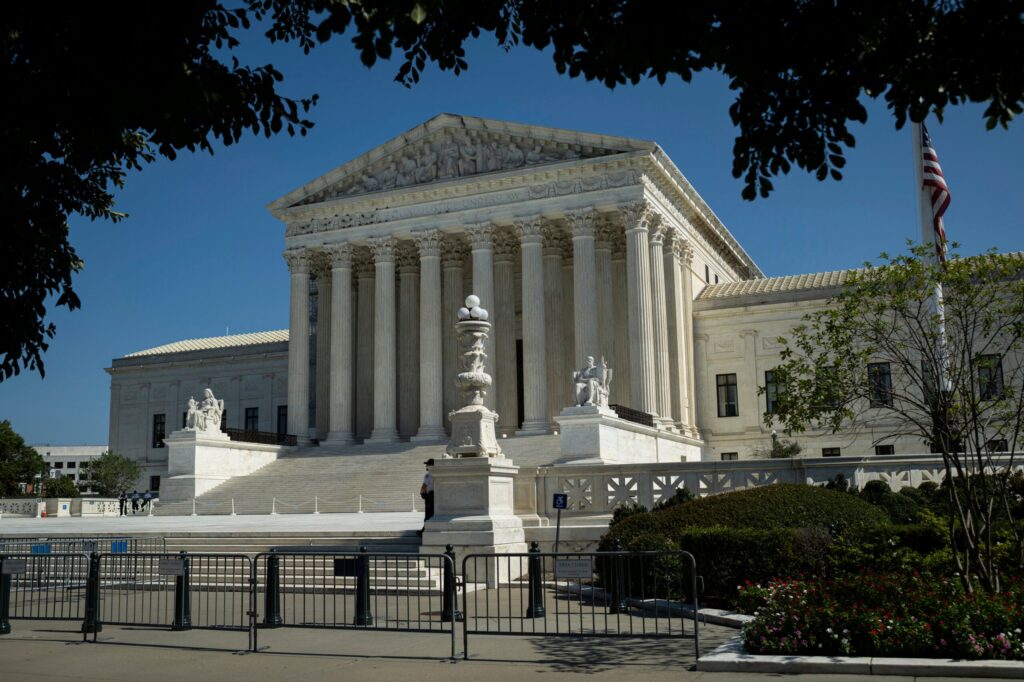
The Supreme Court recently heard challenges to two statewide bans on trans athletes. In West Virginia v. B.P.J., a lawyer representing the government argued that the definition of “sex” in Title IX should refer to sex assigned at birth, a stance that could have broad implications.
Potential Broader Impacts
Legal commentators anticipate the Supreme Court may uphold the bans, potentially allowing legislatures and courts to apply similar restrictions to trans women and girls in other areas of society, such as employment, housing, and healthcare. Twenty-seven states have already used sports laws as a precedent to restrict trans children’s access to healthcare.
Government Actions and NCAA Pressure
The State Department has indicated it will deny visas to trans women athletes seeking to enter the U.S., and the administration has launched an investigation into school districts and colleges. The NCAA and the U.S. Olympic and Paralympic Committee have also banned trans women athletes from participating.
Historical Context of Scrutiny
The scrutiny of women’s bodies in sports dates back to the early 20th century, when female athletes faced accusations of being male. This led to the implementation of sex tests, which were largely phased out by 2000. The current anti-trans panic has prompted a renewed focus on bodily surveillance, with DNA testing being implemented for women skiers and snowboarders at the Winter Olympics.
Potential Consequences for Participation
Conservative activists are proposing policies, such as genital inspections, to verify biological sex in school sports. These measures may discourage girls from participating in sports, as seen in Edmonton, Canada, where a requirement for birth-sex verification led to a decline in enrollment.