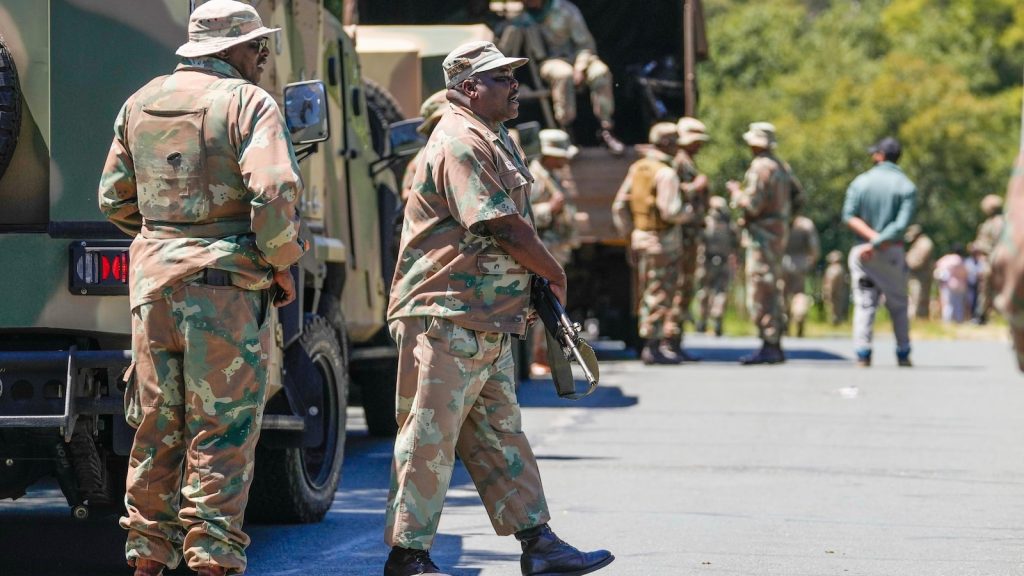
Police-community trust benefits everyone’s safety
Written by Black Hot Fire Network Team on January 13, 2026
Improving Police-Foreign National Relations for Enhanced Safety
Recent Statistics South Africa census data indicates that 3.9% of South Africa’s population is foreign-born. Despite this relatively small proportion, foreign nationals are disproportionately affected by serious crimes, including business robbery, public violence, kidnappings, and township extortion. A fractured relationship between police and many foreign national communities contributes to this situation.
Challenges in Police-Foreign National Relations
Some foreign nationals accuse the government, including the police, of state-sanctioned xenophobia, alleging bias and abuse. Many report mistreatment, threats, extortion, and neglect by state actors. Furthermore, foreign nationals often do not participate in community policing structures, limiting opportunities for familiarity with police procedures. Studies demonstrate that fear and distrust of police discourage crime reporting and information sharing, hindering investigations and enabling offenders.
Strategies for Building Trust and Collaboration
Research suggests that strategies aimed at building trust with marginalized groups can strengthen police effectiveness in tackling crime for the benefit of all. In the case of foreign nationals, these strategies require addressing language barriers, cultural misunderstandings, and historical distrust.
Successful Approaches from Other Countries
A 2024 United States police research survey found that deploying community liaison officers to foreign national neighborhoods fostered meaningful relationships, improved crime reporting, and increased trust. The United Kingdom’s College of Policing guidelines recommend proactively including marginalized groups in neighborhood policing by addressing language barriers and considering community needs. Secondary reassurance contact, where officers follow up with victims separately from investigations, has also proven effective, reducing victim withdrawal from hate crime cases.
The Importance of Procedural Justice
Procedural justice, showing respect, care, and fairness during police interactions, is also crucial for building trust. A study in Australia, where over 30% of the population is foreign-born, demonstrated that this approach fosters stronger identification with both police and the country. Conversely, research indicates that failing to apply procedural justice can erode police legitimacy and compromise investigations.
Addressing Racial and Citizenship Profiling
Racial or citizenship profiling engenders feelings of unfair treatment and lowers trust. A 2020 study in Texas found that being stopped, searched, and questioned about citizenship status decreased the likelihood of cooperation with police during investigations by 62%. This is particularly concerning in South Africa, where high-density police operations in areas with foreign national populations have been met with accusations of misconduct and abuse.
A Strategic Investment in Public Safety
South African police should adopt evidence-based approaches to build trust among foreign national communities. This is not only a rights obligation but also a strategic investment in collective public safety. By removing barriers to engagement, police can encourage crime reporting and information sharing, leading to better investigations and a safer South Africa. Supportive public sentiment and political leadership are essential to enable officers to make informed decisions and solve more cases.