Supreme Court to Consider Ending Partisan Gerrymandering
Written by Black Hot Fire Network Team on February 2, 2026
The proposed redistricting bill in Annapolis has drawn criticism regarding its development and potential impact on political representation. Concerns have been raised about the process by which the bill was formulated and its implications for the balance of power within the state.
Historical Context of Redistricting in Maryland
Maryland has a history of redistricting practices employed by both political parties. Previously, the state had multiple Republican representatives and a Republican senator, reflecting representation for approximately 40% of the state’s population. Changes to district boundaries have resulted in a shift in representation over time.
Arguments Regarding the Current Bill
Critics allege the current redistricting bill does not accurately reflect public input, claiming it was influenced by a limited group of individuals aligned with the governor’s objectives. Some observers suggest the current situation is linked to redistricting efforts initiated in Texas. The core argument centers on the assertion that the process has been used to gain political advantage, rather than ensuring fair representation.
Proposed Solutions
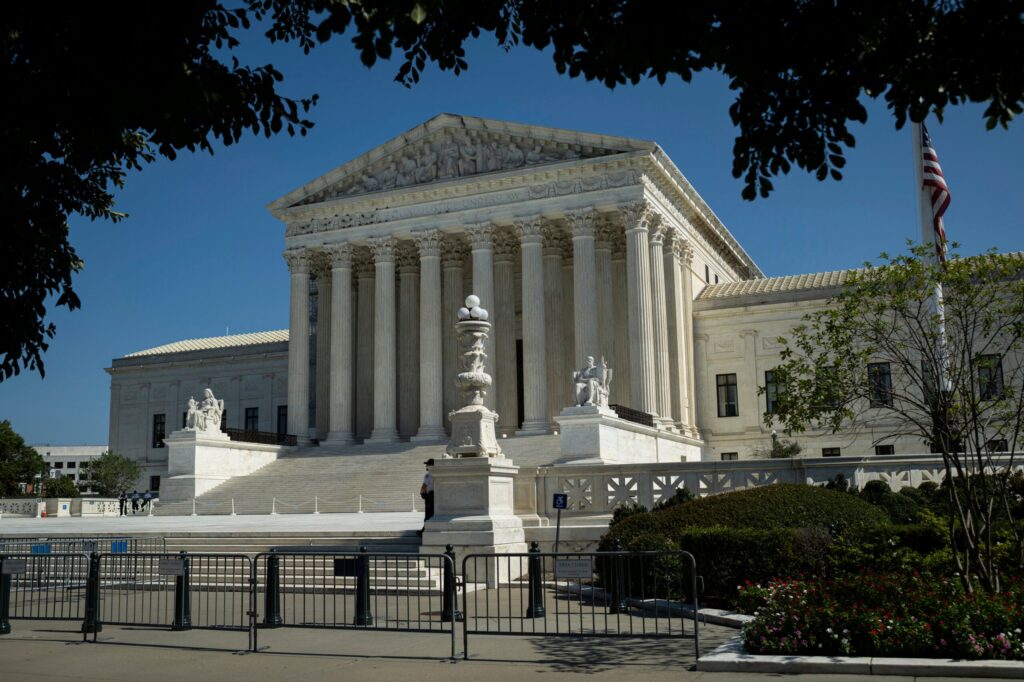
A call has been made for an independent agency to challenge the redistricting practices of the past 20 years in the Supreme Court. The proposal suggests a federal law mandating that an independent, party-balanced group handle redistricting following each census, with consideration for independent voters.
Representation and Political Parties
The author suggests a need to prioritize representation of “We the people” over partisan interests. The possibility of eliminating political parties is presented as a potential remedy to address concerns about fairness and representation.
Reader's opinions

Continue reading