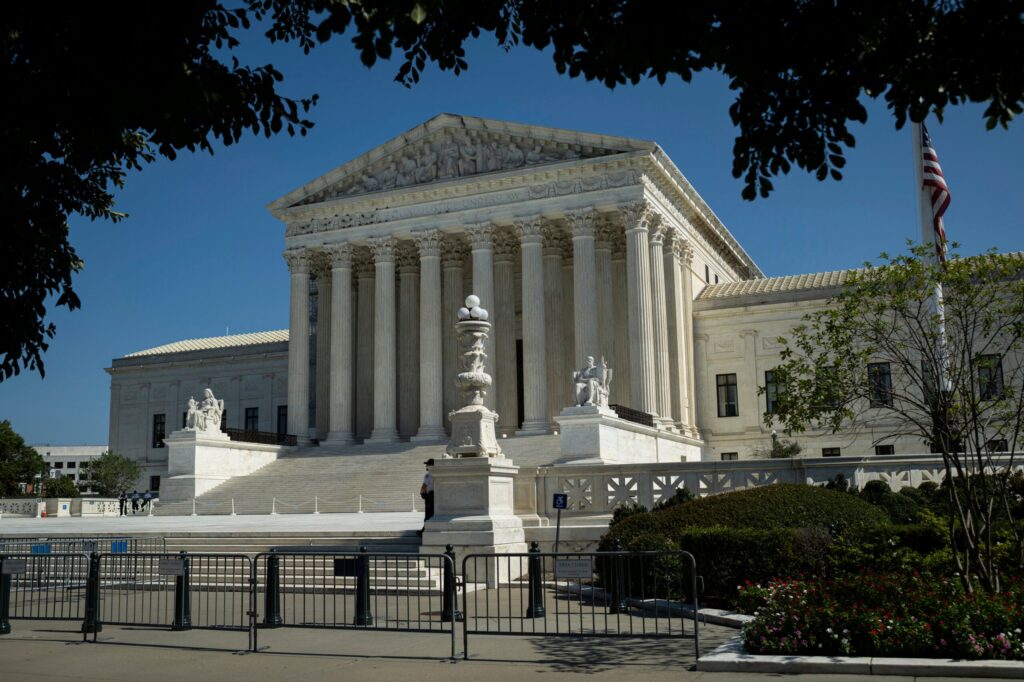
Supreme Court upholds Montana police home entry decision
Written by Black Hot Fire Network Team on January 16, 2026
A legal case originating in Anaconda, Montana, recently reached the United States Supreme Court, resulting in a decision with national implications regarding police entry into private residences. The case stems from an incident that occurred five years ago and clarifies the circumstances under which law enforcement can enter a home without a warrant.
Background of the Case
In September 2021, Anaconda police responded to a situation involving William Trevor Case at his residence. Officers suspected Case was suicidal and potentially planning to harm himself. Upon entering the home, Case emerged from a closet with a firearm, and an officer subsequently shot and wounded him.
Supreme Court Ruling
The Supreme Court upheld the Montana Supreme Court’s previous decision, finding that Anaconda police did not violate Case’s Fourth Amendment right against unlawful search and seizure when they entered his home without a warrant. The court determined that the police had reasonable grounds to believe an emergency situation existed, justifying their entry.
Legal Proceedings and Reactions
Following the incident, Case was charged and convicted of assault on a peace officer, receiving a five-year prison sentence. He argued that the charges should be dismissed due to the warrantless entry into his home. Ben Krakowka, the prosecuting attorney at the time, stated the decision establishes a national standard for when police can enter a residence during an emergency. KC Betchie, Case’s sister, expressed disappointment with the ruling, asserting that police lacked justification for entering her brother’s home.
Impact on Law Enforcement
Krakowka expressed concern that a ruling against the police could have discouraged officers from entering homes to provide aid in emergency situations, potentially leading to increased fatalities. Butte Sheriff Ed Lester welcomed the decision, stating it simplifies law enforcement’s duties and enhances their ability to protect citizens.