Black Directors Changing Hollywood Narratives: The Vision of Ryan Coogler
Written by Keith A. Newsome on March 15, 2026
In recent years, a new generation of Black filmmakers has been transforming Hollywood storytelling, challenging outdated portrayals and bringing authentic perspectives to the screen. Among the most influential voices in this movement is director Ryan Coogler, the creative mind behind the groundbreaking film Sinners.
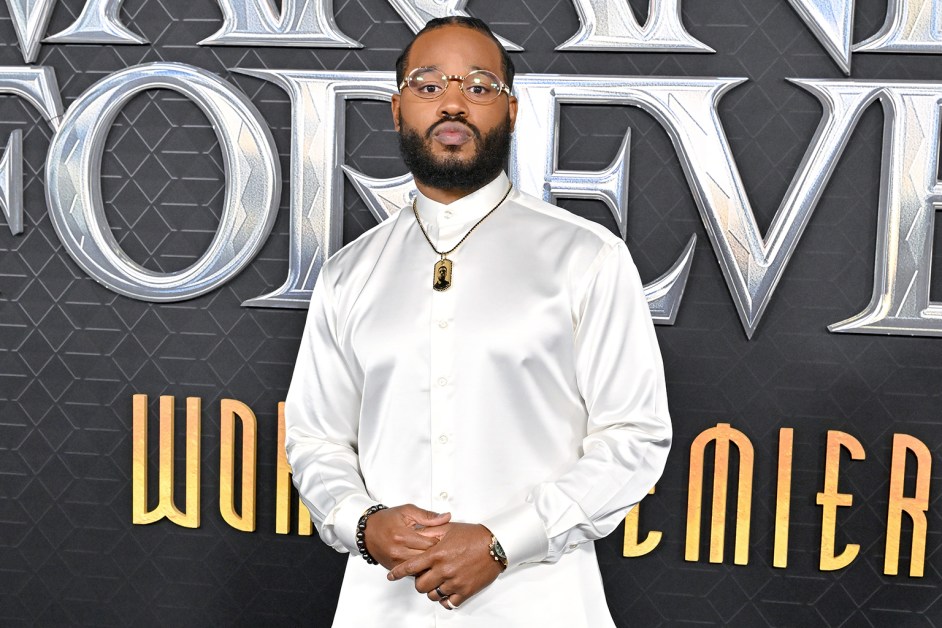
Born in Oakland, California in 1986, Coogler emerged as one of the most respected filmmakers of his generation. He first gained international attention with Fruitvale Station (2013), a powerful drama based on the real-life story of Oscar Grant. The film established Coogler as a director deeply committed to telling stories rooted in social reality and Black lived experiences. He later went on to direct Creed and the globally celebrated Black Panther, films that proved Black stories could dominate the global box office while carrying strong cultural meaning.
Coogler’s latest project, Sinners, continues this tradition of redefining narratives. The film blends historical drama, music, and supernatural horror in a story set in the segregated American South. By merging genres and exploring themes of heritage, spirituality, and Black cultural resilience, Coogler moves beyond traditional Hollywood depictions and creates space for complex Black characters and histories rarely seen on screen.
The impact of Sinners has been remarkable. The film received widespread critical acclaim and earned a record 16 nominations at the 2026 Academy Awards, becoming the most-nominated film in Oscar history. It also dominated multiple award ceremonies including the Golden Globes and Critics Choice Awards.
At the NAACP Image Awards, the film achieved major success, winning numerous awards including Best Motion Picture. Coogler himself received recognition for Outstanding Directing and Outstanding Writing, highlighting his influence in elevating Black storytelling in mainstream cinema.
Beyond awards and commercial success, Coogler’s work represents something deeper: a shift in who gets to tell stories in Hollywood. By centering Black culture, music, and historical memory within innovative filmmaking, he challenges long-standing stereotypes and expands the possibilities of representation.
As filmmakers like Ryan Coogler continue to rise, Hollywood is gradually evolving into a space where diverse voices shape the narratives seen across the world. Through films like Sinners, Coogler is not just directing movies—he is reshaping the cultural imagination of modern cinema.