From Sacred Cycles to Global Celebrations: Rethinking the Journey of Western Pagan Traditions
Written by Keith A. Newsome on April 5, 2026
What we now recognize as mainstream holidays colorful, commercial, and widely celebrated—are far from modern inventions. Beneath the surface lies a deep, ancient framework rooted in seasonal rhythms and spiritual awareness. Western Pagan traditions, once intimately tied to nature’s cycles, have gradually transformed over centuries, evolving into the holidays we know today.
As these traditions traveled across continents, they adapted, merging with diverse cultures in Africa and the Caribbean, creating layered and dynamic expressions of celebration.
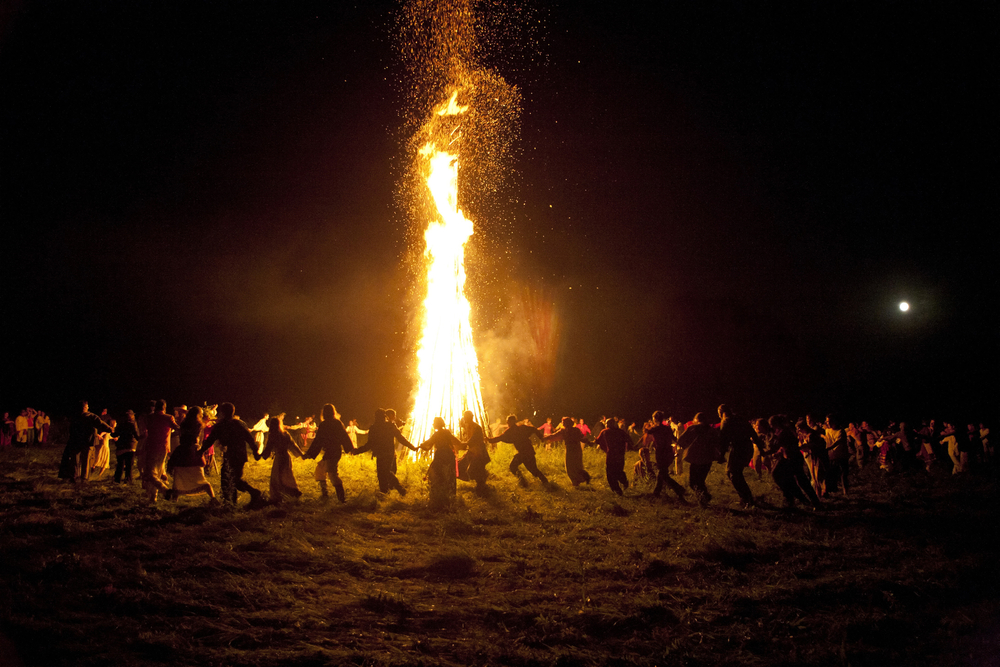
Take Samhain, for instance. Originally observed by the Celts as a powerful threshold marking the end of harvest and the onset of winter, it was believed to be a time when the boundary between the living and the spirit world dissolved.
Ritual fires, disguises, and offerings were meant to protect and guide communities through this liminal period. Over time, the Church reshaped it into All Hallows’ Eve, eventually giving rise to modern Halloween. While today’s version leans heavily into entertainment, its essence—acknowledging mortality and honoring the unseen—still quietly lingers.
Similarly, Yule emerged as a response to darkness, both literal and symbolic. Celebrated during the Winter Solstice, it honored the return of light with evergreen symbols of endurance and the burning of the Yule log. As Christianity spread, these traditions were seamlessly woven into Christmas. What was once a celebration of the sun’s rebirth became associated with the birth of Christ, yet the imagery of renewal and hope remained strikingly consistent.
Then there is Ostara, linked to themes of fertility and new beginnings. Rooted in the reverence of spring’s arrival, it embraced symbols like eggs and hares—timeless representations of life’s regenerative power. These motifs transitioned almost unchanged into Easter, shifting in meaning but not in form, from natural cycles to spiritual resurrection.
As these traditions spread globally, they encountered rich indigenous belief systems. In the Caribbean, practices such as Santería and Obeah illustrate how imported Christian celebrations intertwined with ancestral veneration and African cosmologies. The idea of a spiritual “veil” remains deeply significant, though interpreted through the presence of Orishas and local spiritual frameworks.
Across Africa, holidays like Christmas and Easter were introduced through colonial influence but quickly took on vibrant, communal identities. Celebrations became infused with music, dance, and collective joy, echoing traditional harvest festivals and reinforcing social bonds.
Today, these holidays may appear as polished, global traditions, yet they are layered with centuries of adaptation and meaning. Though original deities and rituals have largely faded, the underlying human instinct—to honor change, cycles, and connection—remains unchanged. In every celebration, ancient echoes persist, reminding us that beneath modern rituals lies a timeless relationship with the rhythm of life itself.
Reader's opinions


Continue reading