Michigan lawsuit over disputed funds may go to Supreme Court
Written by Black Hot Fire Network Team on January 9, 2026
A Michigan family’s legal challenge to Manistee County’s foreclosure practices may proceed to the United States Supreme Court. The case centers on a dispute over funds from a property sale following a foreclosure.
The Koetter family of Bear Lake is contesting the county’s handling of the proceeds from the sale of their home, arguing they were not properly compensated after a foreclosure. If the Supreme Court rules in their favor, it could impact property owners across Michigan.
The Koetter Family’s Lawsuit
The Koetter family’s legal action stems from a 2021 foreclosure on a home owned by Chelsea Koetter, resulting from a $4,000 debt. Shortly after the foreclosure, the property was sold at auction for over $100,000. Chelsea’s father, Bob Koetter, purchased the home, keeping it within the family. However, the family did not receive any of the sale proceeds, leaving them with a financial loss.
Christina Martin, a lawyer representing the Koetters with the Pacific Legal Foundation, contends that the county retained excess funds beyond the amount owed. Manistee County Treasurer Rachel Nelson declined to comment on the pending litigation.
Foreclosure Sales in Michigan
State reports indicate that the Koetter case is one of hundreds involving properties repossessed and quickly resold by municipalities. Michigan law requires homeowners to submit a form within three months of a foreclosure indicating their intent to claim any surplus funds from the sale. This deadline is July 1.
Public records from Oakland County, Michigan’s second most populous county, reveal that a small percentage of homeowners successfully claim these surplus proceeds, often missing the July 1 deadline.
Previous Supreme Court Case and Potential Impact
Martin previously secured a unanimous ruling from the current US Supreme Court in a similar case involving a Minneapolis woman who owed $15,000 in taxes. A county foreclosed on her property, sold it for $40,000, and kept the excess revenue. The court invalidated some of Minnesota’s property forfeiture laws.
Following that ruling, Minnesota established a $109 million fund to resolve similar disputes. If Michigan’s forfeiture policies are overturned, a comparable program could be implemented in Michigan, potentially making millions of dollars available to property owners.
Supreme Court Decision
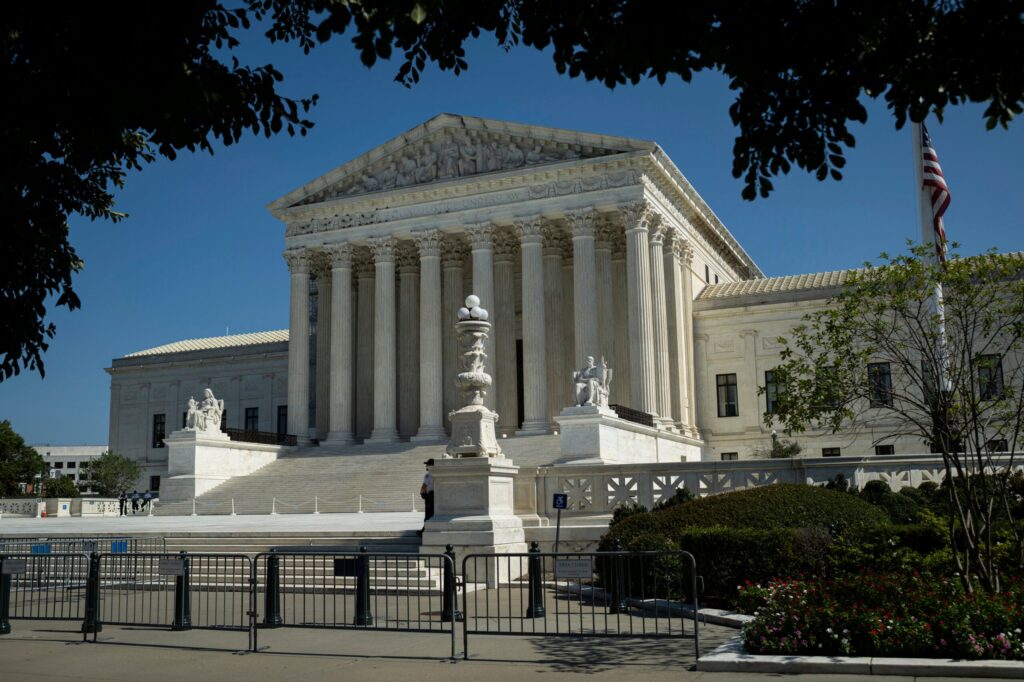
The Supreme Court is scheduled to consider whether to hear the Koetter family’s case on Friday. A decision could also be delayed until after the weekend.
Reader's opinions


Continue reading