Understanding the Conflict in the Democratic Republic of the Congo
Written by Keith A. Newsome on February 6, 2025
The Democratic Republic of the Congo (DRC) has been plagued by conflict for decades, making it one of the most volatile regions in Africa. The ongoing crisis has deep historical roots, with consequences that extend beyond the borders of the country. This blog explores the causes of the conflict, its implications, and the efforts being made to bring peace to the DRC.
Why Does the Conflict Exist?
The conflict in the DRC is fueled by ethnic tensions, political instability, competition over natural resources, and foreign influence. Some of the key causes include:
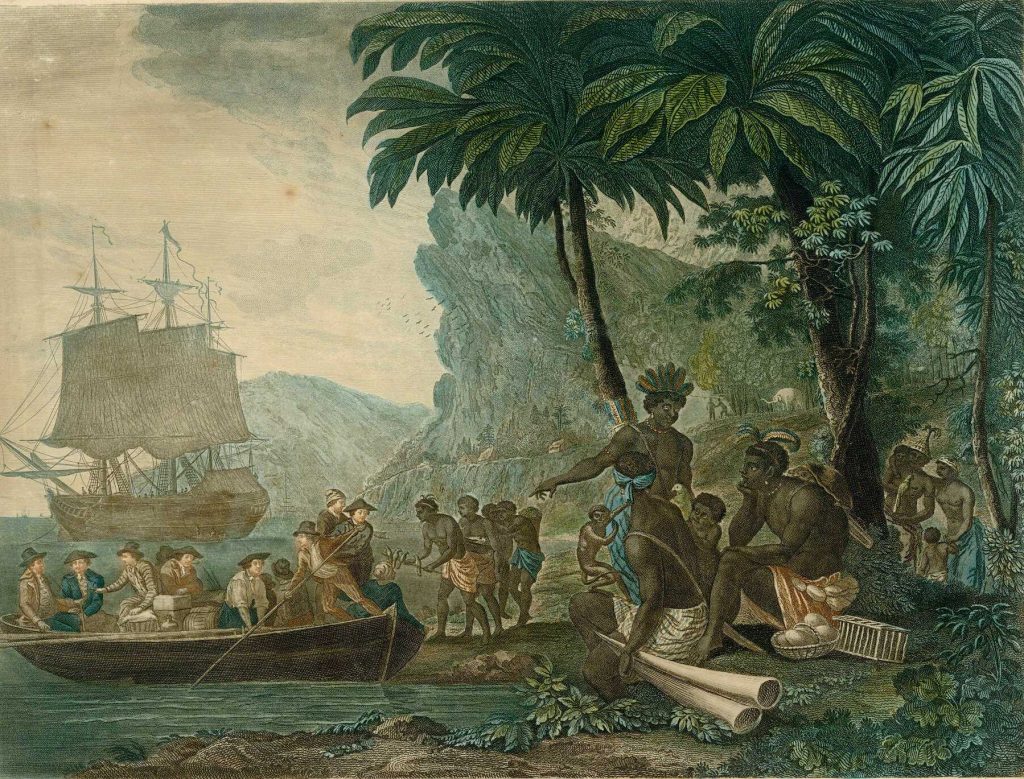
Colonial History and Weak Governance – The legacy of Belgian colonial rule (1908–1960) left behind weak political institutions, making governance difficult after independence. The assassination of the first Prime Minister, Patrice Lumumba, and the long dictatorship of Mobutu Sese Seko (1965–1997) further weakened the country.
The Aftermath of the Rwandan Genocide (1994) – The Rwandan genocide led to an influx of refugees into eastern DRC, including Hutu militia groups responsible for the killings. This sparked conflicts between ethnic groups and neighboring countries, especially Rwanda and Uganda, who became involved in Congo’s wars.
Natural Resource Exploitation – The DRC is rich in gold, diamonds, coltan, and cobalt, minerals that fuel global industries. Armed groups, government forces, and foreign interests fight to control these resources, using the wealth to fund militias instead of benefiting the Congolese people.
Presence of Armed Groups – More than 100 armed groups operate in eastern DRC, including the M23 rebels, the Allied Democratic Forces (ADF), and Mai-Mai militias. These groups engage in human rights abuses, including mass killings, rape, and forced displacement.
Implications of the Conflict
The ongoing violence has had devastating consequences, including:
Humanitarian Crisis – Over 6 million people have died due to violence, disease, and starvation, making it one of the deadliest conflicts since World War II.
Displacement – More than 5.5 million Congolese have been displaced, either internally or as refugees in neighboring countries.
Economic Collapse – Despite its vast resources, the DRC remains one of the poorest countries in the world due to corruption, instability, and illegal mining.
Efforts to End the Conflict
Several local and international efforts are underway to bring peace, including:
United Nations Peacekeeping Mission (MONUSCO) – The UN has deployed peacekeepers to protect civilians, though their effectiveness is often debated.
Regional Peace Talks – The East African Community (EAC) and the African Union (AU) have mediated peace talks between the Congolese government and rebel groups.
Economic Sanctions – The United States, European Union, and other countries have imposed sanctions on individuals and groups fueling the violence.
Grassroots Initiatives – Civil society groups in the DRC continue to push for peace, human rights, and transparent governance.
The conflict in the DRC is complex and deeply rooted, but international and local efforts continue to seek a long-lasting solution. Addressing governance issues, reducing foreign interference, and ensuring fair resource distribution are key to achieving sustainable peace. The world must not turn a blind eye to the suffering in the DRC—lasting peace requires collective global action.