
FIFA’s Silence and the Erosion of African Football’s Principles
The recent awarding of FIFA’s inaugural Peace Prize to US President Donald Trump, coupled with his openly discriminatory remarks towards African nations, has exposed a troubling reality: the potential for political expediency to undermine the principles of fairness and equality within international football. While the prize itself is questionable, the subsequent actions of the United States and the silence of FIFA and the Confederation of African Football (CAF) are even more concerning, threatening the participation and support for African teams in the upcoming 2026 World Cup.
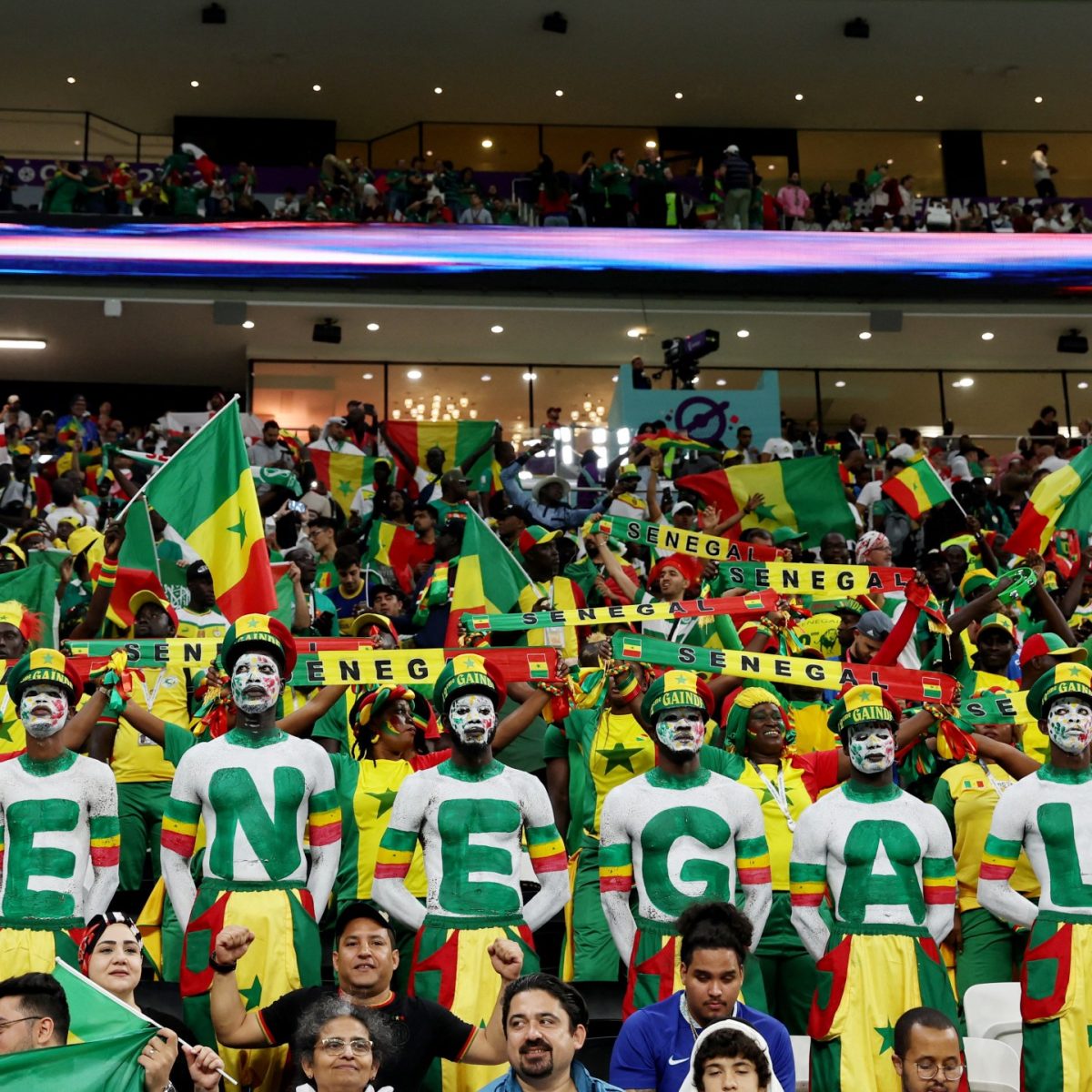
Trump’s derogatory comments, reminiscent of his past “shithole countries” remarks, have translated into restrictive policies impacting African nations. Four countries with qualified teams – Senegal, the Ivory Coast, Haiti (with a significant population of African descent), Algeria, Tunisia, and Cabo Verde – are facing significant hurdles due to US travel restrictions and visa requirements. Athletes, coaches, and staff are formally exempt from the travel ban, allowing teams to compete, but many fans face insurmountable obstacles.
The visa bond program, requiring applicants from these nations to post refundable bonds of up to $15,000, further exacerbates the situation. For fans in countries like Tunisia, where the gross disposable income is just over $500, this represents an exorbitant and often impossible expense, effectively barring them from supporting their national teams. Adding insult to injury, the US administration has expelled South Africa’s ambassador while leveling unsubstantiated accusations of genocide against a minority group that historically upheld apartheid.
The deafening silence from CAF is particularly alarming. It stands in stark contrast to the organization’s historical commitment to defending African football against injustice. In 1966, when FIFA allocated a disproportionately small number of World Cup slots to Africa, Asia, and Oceania, Ghana’s director of sport, Ohene Djan, sent a powerful telegram to FIFA, protesting the unfair arrangement. Backed by President Kwame Nkrumah, Djan’s message sparked a unified boycott by all 15 eligible African federations, ultimately forcing FIFA to grant Africa and Asia guaranteed slots – a legacy that has ensured African representation in every World Cup since.
Founded in 1957, CAF initially expelled South Africa for its apartheid policies, demonstrating a willingness to take a stand against injustice, even with limited leverage. This bold action paved the way for South Africa’s eventual inclusion in both the AFCON and the World Cup.
Today, CAF is a vastly different entity. Integrated into FIFA’s revenue and governance structure, it boasts nine guaranteed World Cup slots, substantial AFCON revenue, and a president who also serves as a FIFA vice president. This integration, while financially beneficial, has seemingly come at a cost: a reluctance to challenge powerful governments, prioritizing institutional survival over the principles upon which it was founded.
However, CAF is not powerless. Several actions could be taken without incurring significant financial risk. Publicly demanding conventional visas for all ticketed fans from CAF-qualified nations, advocating for relocated matches involving teams from countries under full US travel bans to Canada or Mexico, and formally joining the FairSquare ethics complaint against Infantino are all viable options.
Failure to act would send a devastating message to the African continent – a message far removed from the defiant spirit of Djan’s 1964 telegram: that CAF now prioritizes appeasing powerful governments over defending equality, combating discrimination, and upholding justice. The current situation demands a renewed commitment to the principles that once defined African football and a willingness to challenge the status quo, even at a cost.