

African unions are linking renewable energy expansion with industrialization, climate finance reform and worker protections as they seek greater influence over Africa’s COP31 negotiating priorities.
From Nairobi to Antalya: African labour leaders push for energy justice, industrial transformation and decent work.
Labour leaders and climate negotiators from across Africa are building a stronger alliance ahead of the 31st United Nations Climate Change Conference (COP31), calling for a just transition that places workers, communities, industrial development and universal energy access at the centre of global climate action.
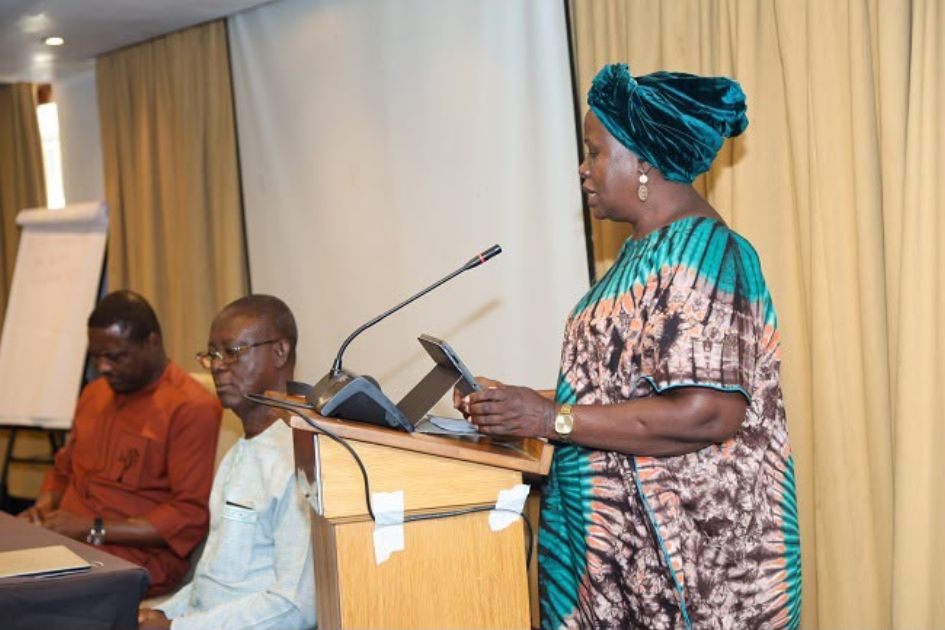
During the three-day Trade Union Network on Energy meeting in Nairobi, Kenya, representatives from organized labour and the African Group of Negotiators (AGN) emphasized that Africa’s climate pathway must recognize the continent’s development realities, historical inequalities and urgent need for economic transformation.
The coalition is advocating for a transition that moves beyond simply replacing fossil fuels with cleaner energy sources. For African workers and communities, a just transition must also mean decent jobs, affordable energy, social protection, skills development and meaningful participation in decisions that shape their futures.
Energy justice and the reality of energy poverty
Addressing the gathering, Comrade Akhator Joel Odigie, General Secretary of the African Regional Organisation of the International Trade Union Confederation (ITUC-Africa), highlighted the scale of energy poverty across the continent. Hundreds of millions of Africans still lack reliable access to electricity, limiting opportunities for education, healthcare, livelihoods and economic development.
Odigie argued that climate action, industrialization and energy access cannot be treated as separate policy challenges. Energy justice, he emphasized, means ensuring that people have access to energy that is affordable, reliable and capable of improving their quality of life.
For millions of workers, energy access is not an abstract policy issue. It means being able to return home after a long working day and have basic necessities such as lighting, cooling, communication and food preservation.
Africa has significant renewable energy potential, including solar, wind, geothermal and other clean energy resources. However, turning this potential into widespread prosperity requires investment in infrastructure, technology transfer, affordable finance and stronger domestic energy systems.
Industrialization as a pathway to economic sovereignty
A central message from the Nairobi dialogue was that Africa’s energy transition must support industrial development rather than deepen dependency.
The continent supplies many critical minerals needed for the global clean energy transition, including cobalt, lithium and copper. Yet much of the value addition, manufacturing and processing often takes place outside Africa, limiting opportunities for local job creation and economic growth.
Trade unions are calling for a different model: one where African resources contribute to African industrial transformation. If minerals from Africa are used to manufacture electric vehicles, batteries and renewable energy technologies, they argue that processing, manufacturing and skilled employment should increasingly take place on the continent.
This approach would ensure that the clean energy transition creates decent jobs, strengthens local economies and supports long-term development.
A just transition that leaves no worker behind
Trade unions stressed that the transition away from carbon-intensive industries must protect workers and communities whose livelihoods depend on sectors undergoing transformation.
A just transition is not only about changing energy systems; it is about ensuring that workers, women, youth, Indigenous peoples, informal workers and climate-affected communities have opportunities, protection and a voice in shaping the transition.
In regions dependent on fossil fuel industries, including Nigeria’s Niger Delta and South Africa’s Mpumalanga province, unions are calling for strong guarantees on worker retraining, income protection and new employment pathways.
The goal is to ensure that climate action does not create new inequalities but instead becomes a pathway toward a fairer and more resilient economy.
Reforming climate finance for a fair transition
African labour leaders and negotiators are also demanding a transformation in global climate finance.
They argue that developing countries should not be pushed further into debt through high-interest climate loans. Instead, they are calling for increased grant-based finance, technology transfer, capacity building and investment that supports locally led solutions.
For Africa, climate finance must enable countries to expand renewable energy, strengthen resilience, create jobs and build sustainable industries while addressing existing development challenges.
Strengthening the African voice ahead of COP31
The Nairobi meeting aims to deepen cooperation between ITUC-Africa and the African Group of Negotiators, ensuring that the priorities of workers are reflected in international climate diplomacy.
As countries prepare for COP31 in Antalya, Türkiye, the growing partnership between labour movements and climate negotiators signals a broader push for climate policies that connect environmental sustainability with human dignity and economic justice.
African countries continue to emphasize that climate responsibility must reflect historical emissions and current vulnerabilities. While the continent contributes a relatively small share of global emissions, it faces some of the most severe impacts of climate change, affecting workers, agriculture, food security, migration and livelihoods.
The message emerging from Nairobi is clear: Africa is not rejecting climate action. It is demanding a transition that delivers energy access, decent work, industrial transformation and justice for communities on the frontlines of the climate crisis.
From Nairobi to Antalya, African labour leaders and climate negotiators are calling for a global climate agenda where sustainability and development advance together, ensuring that no worker and no community is left behind.