

Centuries ago, a powerful wave of change swept across the Hausa kingdoms of Northern Nigeria—reshaping laws, traditions, clothing, and systems of worship. With the arrival and spread of Islam, the cultural and spiritual landscape was transformed in profound and lasting ways. Many embraced the new faith, adapting their lives to its teachings and practices. Yet, not all followed this path.
Deep within the rural heartlands, a distinct group of Hausa people chose to resist this transformation. Known as the Maguzawa, they stood firm while others converted, holding tightly to the ancient spiritual traditions passed down through generations. Rather than abandoning their beliefs, they preserved them with unwavering dedication.
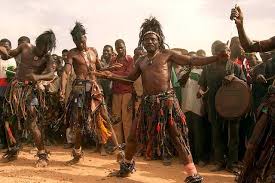
As urban centers flourished with mosques and Islamic scholarship, the Maguzawa retreated into more secluded environments. In forests and remote settlements, they continued to honor their ancestral ways communicating with spirits, performing sacred rituals, and venerating deities such as Sarkin Ruwa, a powerful spiritual figure deeply rooted in pre-Islamic Hausa belief systems. These practices reflected a worldview in which nature itself trees, rivers, and stones served as vessels of spiritual presence.
To this day, the Maguzawa remain a living link to a past that might otherwise have been forgotten. Their traditions offer a rare glimpse into the original spiritual identity of the Hausa people before external influences reshaped the region. In hidden shrines and sacred groves, they safeguard knowledge that has survived centuries of change.
Some historians suggest that the Maguzawa were gradually pushed out of major cities due to their refusal to convert. Faced with the choice between assimilation and cultural survival, they chose the latter—even if it meant enduring hardship and isolation.
Their story challenges the idea that history follows a single, unified path. Instead, it reveals a deeper narrative one of resistance, identity, and the enduring human desire to remember one’s roots.
This raises an important question: are the Maguzawa simply resistant to change, or are they the last true custodians of the original Hausa heritage?