

Kenya joined the Digital Public Goods Alliance, committing to expand civil service training and deploy open source infrastructure for shared government services.
The Digital Public Goods Alliance (DPGA) announced Kenya’s membership on 18 November 2026, during its annual members’ meeting in Paris. Kenya participates through its Ministry of Information, Communications and the Digital Economy. The alliance promotes reusable, openly licensed digital resources for public benefit. Kenya’s commitments cover government coordination, technical training and shared digital infrastructure.
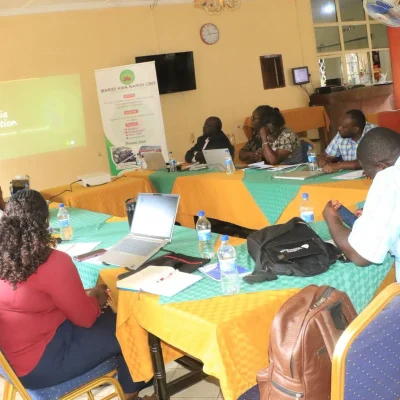
Kenya plans to operationalise its National Open Source Programme Office as a hub for government adoption and learning among African peers. The office was launched in 2025 with International Telecommunication Union (ITU) and United Nations Development Programme (UNDP) support. Training will expand from 70 to more than 200 civil servants. It covers open source development, security and governance, supporting Kenya’s aim to reduce dependence on individual suppliers.
The roadmap includes deploying the Kenya Sovereign Open Source Digital Stack, known as KenStack, at the Konza National Data Centre. It will incorporate digital public goods into identity, payments, and data exchange. Kenya also plans to nominate at least two locally developed solutions for assessment against the DPG Standard. The government additionally announced participation in the 50-in-5 campaign for safe, inclusive digital public infrastructure.
Digital Watch previously reported on Kazakhstan joining the alliance, with commitments to share government tools and research AI-enabled digital public goods. It also covered CDPI’s membership, which includes supplier-neutral advice and practical bootcamps for government engineers. Kenya’s roadmap connects these themes through national infrastructure and civil service training. Together, the commitments link international cooperation on reusable technology with the practical capacity to implement it.
Why does it matter?
Kenya’s commitments connect open source policy with the people and infrastructure needed to deliver public services. Training government staff can strengthen their ability to assess, adapt, and maintain the technologies they adopt. Deploying shared components for identity, payments, and data exchange also brings procurement, security, and maintenance responsibilities into the same programme. The roadmap places government implementation capacity alongside access to reusable software, making both central to Kenya’s open source ambitions.