
NAIROBI – The Kenyan government has formally approved the US plan for a “quarantine” centre in the East African country for US citizens infected with Ebola. The go-ahead was reported by health sources to Reuters news agency and comes in the aftermath of a memo from the Ministry of Health in Nairobi on health ‘collaborations’ contemplated by Kenya in response to the latest outbreak of the haemorrhagic fever first detected in the Democratic Republic of Congo in 1976. Donald Trump’s administration has in recent days declared its intention to set up a facility, built by the US military, to house and isolate compatriots suspected or confirmed to be infected. According to data released on 27 May, the toll of cases and suspected victims stands at 1,077 and 238 respectively, compared to 121 cases and 17 victims officially declared by the Congolese authorities on 26 May.
Nairobi: discussions with US government and other partners
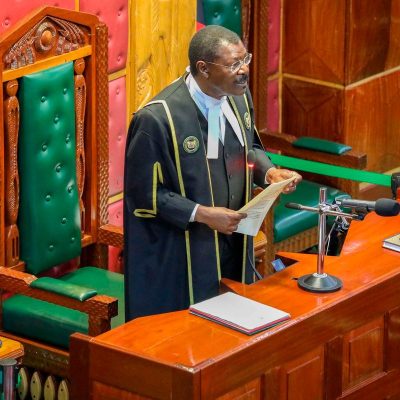
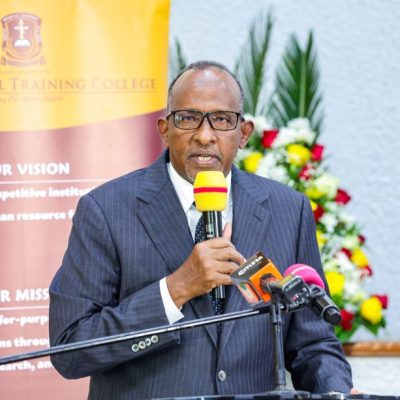
Today, Kenya says it has already carried out 55,000 border checks and maintains a high alert threshold on the virus. Health Minister Aden Duale recalled that 22 of the country’s 47 counties fall within the high risk band and urged caution. Now, in his note, he anticipates the approach that later transpired in the latest Reuters rumours about the US centre: ‘Kenya,’ Duale writes in the note, ‘attaches great importance to its long-standing partnership with the United States and other global partners in strengthening health systems and health security capacities. Hence the openness to the US installation, never openly mentioned in the document, although ‘any agreement’ will be subject to ‘national legislation, public health regulations and biosafety and biosecurity standards’.
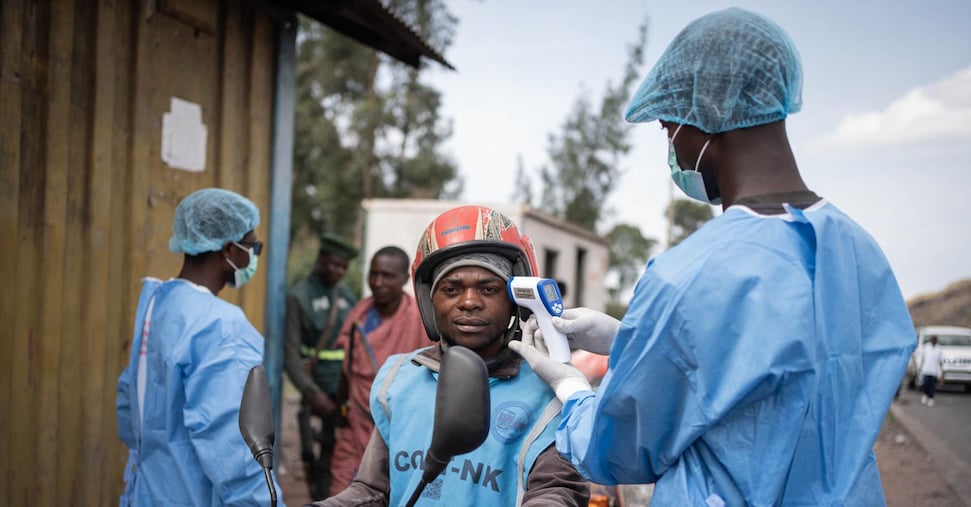
The outbreak of Ebola, a haemorrhagic fever that transmits with body fluids, was identified in early May in the Congolese province of Ituri. It is the seventeenth epidemic recorded by the Central African giant in half a century, the third to reappear in the Bundibugyo variant: a strain considered more insidious because there is no vaccine for it, although international organisations are working on trials and a drug is expected within six to nine months. The World Health Organisation, a UN agency, has warned of the ‘rapid’ expansion of the contagions and called for a ceasefire in the border area between the Democratic Republic of Congo and Rwanda: the theatre of hostilities between the regular army and the pro-Rwandan M23 militiamen.