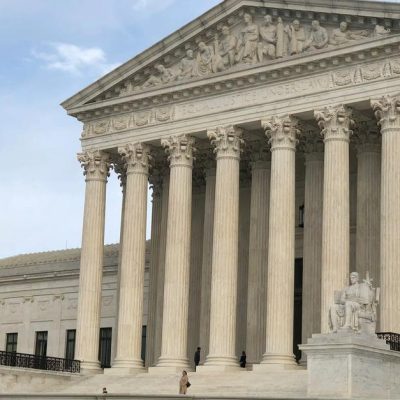

The Supreme Court recently stayed a district court decision in Noem vs. Vasquez Perdomo, effectively nullifying a key restriction on police seizures. This action allows law enforcement to stop and detain individuals based on factors like appearance, occupation, or language, raising concerns about potential racial profiling.
Legal Reasoning and Dissent
The Supreme Court’s decision was issued through its “shadow docket,” meaning the justices’ reasoning was not publicly detailed. Justice Brett M. Kavanaugh issued a concurring opinion defending law enforcement’s consideration of race and ethnicity, while Justice Sonia Sotomayor, joined by Justices Elena Kagan and Ketanji Brown Jackson, dissented strongly. Sotomayor stated that the decision could lead to a country where individuals can be seized based on ethnicity, language, and employment status.
Impact on Policing Practices
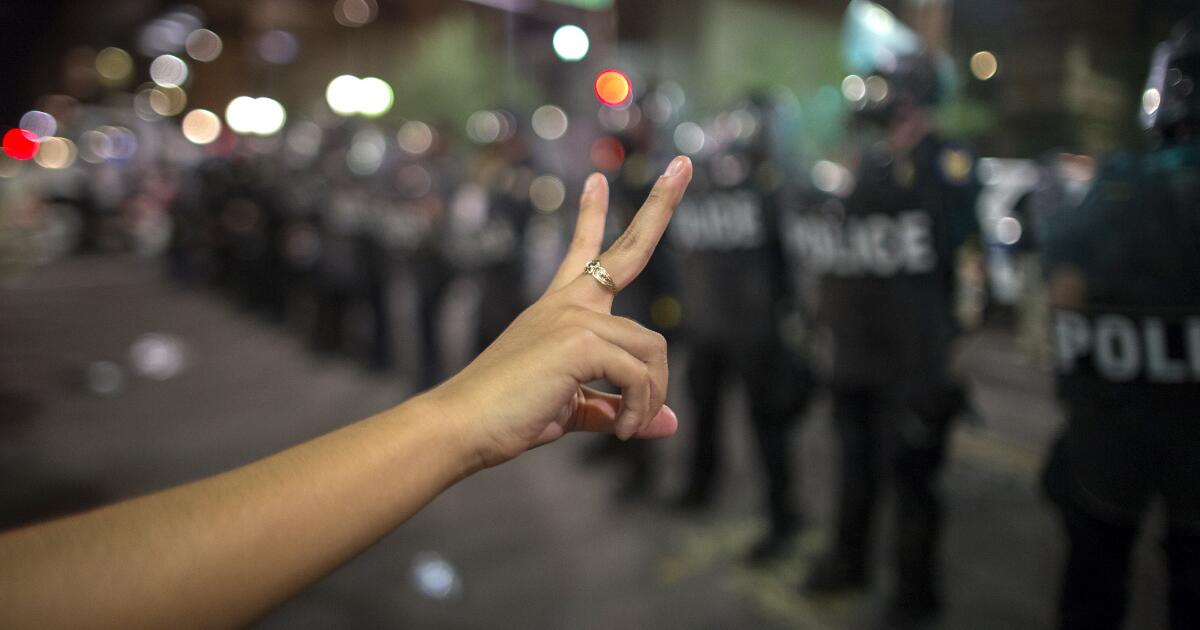
The ruling significantly reduces limitations on police seizures, potentially impacting individuals encountered by law enforcement, including those targeted by Immigration and Customs Enforcement (ICE). This change is expected to disproportionately affect people of color and the millions of immigrants already subject to increased scrutiny.
Historical Context and Concerns
Historically, police have required limited justification for stops, and racial profiling has been a persistent issue. While previous instances generally required a pretextual or real, race-neutral reason for a stop, the recent decision removes this requirement. Police can now seize individuals based on appearing “Latino,” speaking Spanish, or working a low-wage job, even without any other indication of wrongdoing.
Challenges to Individual Rights
The article argues that even individuals who believe they have nothing to hide may face oppressive consequences from this expanded police power. ICE agents and police often prioritize detention over careful document examination or explanation-seeking. This can lead to the detention of citizens and noncitizens alike, including those suspected of minor offenses or living in the United States without legal status.
Limited Recourse
Civil rights lawsuits offer a potential avenue for redress, but recent Supreme Court decisions have limited class-action lawsuits and expanded qualified immunity for law enforcement, making it more difficult to hold officials accountable for constitutional violations. The court has also restricted the ability to sue federal officials for damages, further limiting recourse for those whose rights are violated.
Future Implications
While the decision may not be the final word on the matter, it entrenches a system where constitutional rights depend on an individual’s race. The article concludes that the Fourth Amendment must be interpreted to constrain racialized policing practices to maintain its meaning.
Daniel Harawa and Kate Weisburd are law professors at NYU Law School and UC Law San Francisco, respectively.