
The Federal Government is stepping up efforts to position Nigeria as a leading hub for artificial intelligence and digital innovation in Africa, as technology giants, investors, startups and policymakers prepare to converge on Abuja and Lagos for the 2026 edition of GITEX Nigeria, amid projections that AI could unlock a $1 trillion economic opportunity for the continent by 2035.
The technology, artificial intelligence and startup event, organised under the patronage of President Bola Ahmed Tinubu, is expected to bring together government officials, regulators, technology companies, investors, startups and other global stakeholders to explore opportunities for scaling Nigeria’s digital economy.
Organisers said the event would focus on strengthening Nigeria’s digital infrastructure, developing local technology talent, attracting investment and building the partnerships required to support the country’s transition towards a more competitive AI-driven economy.
GITEX Nigeria is supported by the Federal Ministry of Communications, Innovation and Digital Economy in collaboration with the National Information Technology Development Agency (NITDA), endorsed by the Lagos State Government and organised by KAOUN International, the global organiser of GITEX events.
Read also: RMAFC’s bet on tech to plug Nigeria’s revenue leaks
The 2026 edition is themed “Beyond Connectivity: The Bridge to Sovereign Innovation”, reflecting the government’s growing emphasis on digital sovereignty, local technology development and the ability of African countries to move beyond being consumers of technology to becoming producers and exporters.
Bosun Tijani, Minister of Communications, Innovation and Digital Economy, said Nigeria’s digital transformation agenda was increasingly moving from policy formulation to implementation.
“Building on the momentum forged through the implementation of Project BRIDGE, our national blueprint for expanding digital infrastructure and connecting communities across Nigeria, our aspiration ahead of this year’s edition is clear: to solidify the foundations Africa needs for digital sovereignty, technological self-determination, and a globally competitive AI-powered economy,” Tijani said.
He said Nigeria was seeking to promote equitable access to technology, accelerate cross-continental digital development and position the country as a major producer and exporter of digital technologies and AI solutions.
A major component of Nigeria’s digital transformation strategy is the government’s 3 Million Technical Talent (3MTT) programme, which is designed to expand the country’s pool of technology-skilled workers.
According to the organisers, the programme has recorded 1.87 million registrations across all 774 local government areas since its inception.
“More than 135,000 Nigerians have been trained through three cohorts, while community resources have extended learning opportunities to more than 300,000 people.
“The programme has also created 15,000 job and opportunity pathways, according to the organisers”, the organisers added.
Nigeria’s digital infrastructure push is also being driven by Project BRIDGE, an initiative aimed at expanding the country’s ICT backbone and improving access to high-speed connectivity, particularly in underserved communities.
The programme is expected to create up to 20,000 direct jobs and more than 150,000 indirect jobs, while training about 5,000 Nigerian youths.
It is also projected to increase internet penetration to more than 70% and extend high-speed connectivity to millions of households, businesses, schools and hospitality establishments across the country.
The organisers said the infrastructure programme would provide an important foundation for Nigeria’s wider digital transformation by improving access to digital services and creating an enabling environment for technology-driven businesses.
The GITEX Nigeria Government Leadership and AI Summit will open in Abuja on August 31, bringing together ministers, governors and regulators to examine issues surrounding digital public infrastructure and the future of AI governance in West Africa.
The GITEX Nigeria Tech Expo and Future Economy Conference, as well as the Startup Festival, will also return for the second consecutive year.
A new feature of the 2026 edition is FDX Nigeria by GITEX, which will focus on finance and digital asset exchange.
Organisers said the platform would seek to promote financial inclusion, encourage the development of new digital financial systems and connect emerging technology businesses with global capital.
The initiative is expected to provide a platform for discussions around how technology can help millions of businesses transition into the formal economy while enabling greater access to financial services.
Lagos State, which will host part of the event, is seeking to strengthen its position as one of Africa’s major technology and investment destinations.
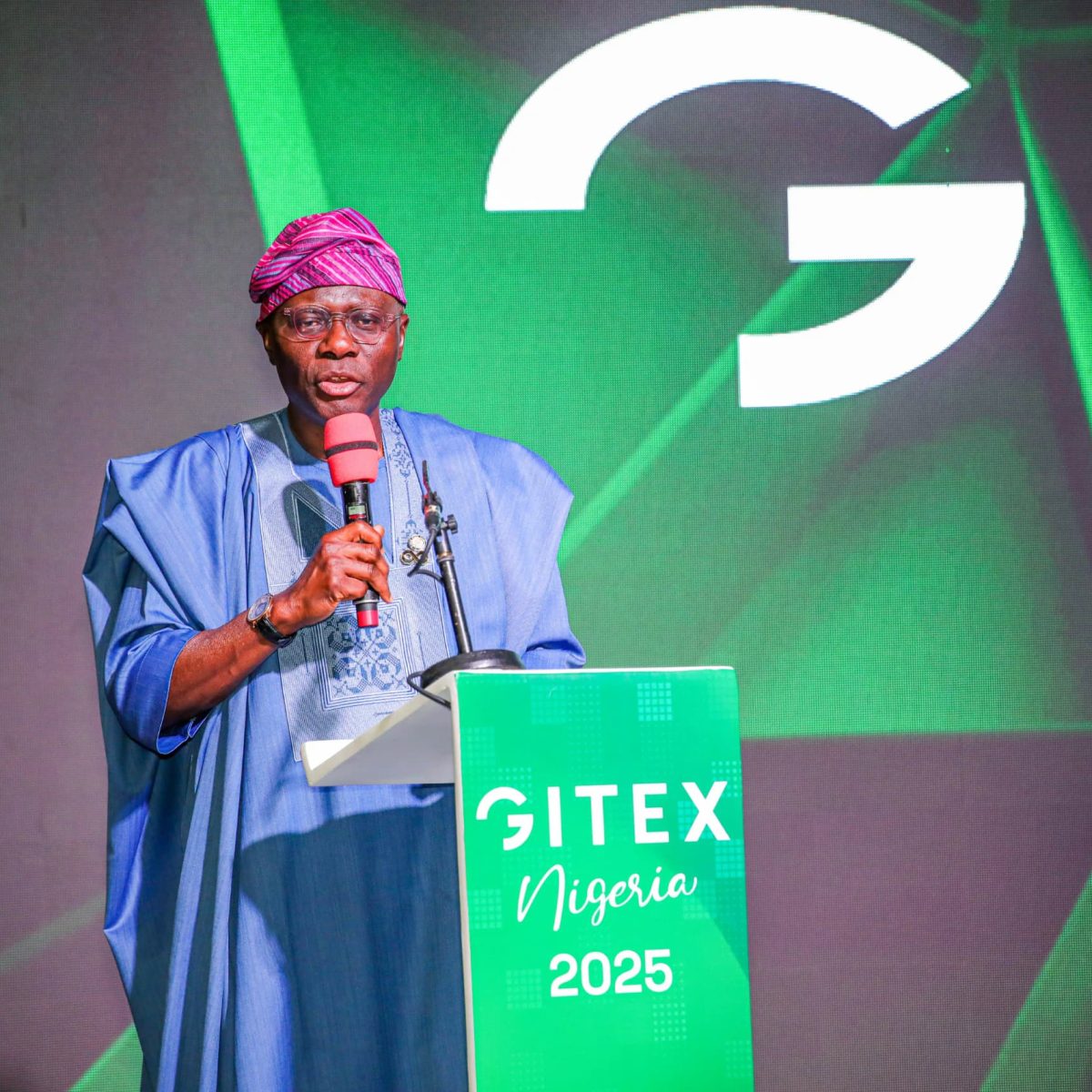
Babajide Sanwo-Olu, Governor of Lagos State, said the state’s economic growth was increasingly intertwined with Africa’s digital transformation.
“Africa’s digital rise is deeply intertwined with that of Lagos State,” Sanwo-Olu said, noting the state’s estimated gross state product of about $259 billion in purchasing power parity terms and its contribution of more than 30 percent to Nigeria’s GDP.
He said Lagos had continued to attract talent, capital and innovation from across Africa and beyond, adding that GITEX Nigeria would support the state’s efforts to build a smarter, more connected and globally competitive economy.
Beyond investment and innovation, the event is expected to place emphasis on digital trust, cybersecurity, resilience and responsible AI adoption.
Kashifu Inuwa Abdullahi, Director-General and Chief Executive Officer of NITDA, said Nigeria’s digital future would depend not only on the technologies adopted but also on the resilience, trust and governance structures developed around them.
He said GITEX Nigeria would provide a platform for discussions on responsible AI adoption, the development of a secure digital economy and the creation of opportunities for innovation and economic growth.
“The global expertise, investment, and partnerships forged through this event will help shape an AI ecosystem that is secure by design, inclusive by nature, and built to support the long-term competitiveness and prosperity of Nigeria and West Africa,” Abdullahi said.
The Federal Government is increasingly presenting Nigeria as a potential anchor of Africa’s emerging AI economy, building on its large population, expanding technology ecosystem, growing pool of digital talent and increasing adoption of digital services.
According to GITEX organisers, programmes including 3MTT, Project BRIDGE and the National AI Strategy are helping strengthen the foundations for talent development, digital infrastructure, investment attraction and responsible AI deployment.
The organisers said Nigeria was well positioned to contribute to Africa’s projected $1 trillion AI economic uplift by 2035.
Trixie LohMirmand, CEO of GITEX, said the event would send a message that West Africa was open to technology investment and ready to turn innovation and technological ambition into economic growth.
“GITEX NIGERIA sends a clear, unequivocal message to the world: West Africa is open for business, ready to translate bold ideas and technological ambition into prosperity, resilience, and enduring global leadership,” she said.
She said the event would facilitate conversations and partnerships aimed at strengthening regional competitiveness and unlocking scalable growth across Nigeria and West Africa’s increasingly interconnected digital ecosystems.