
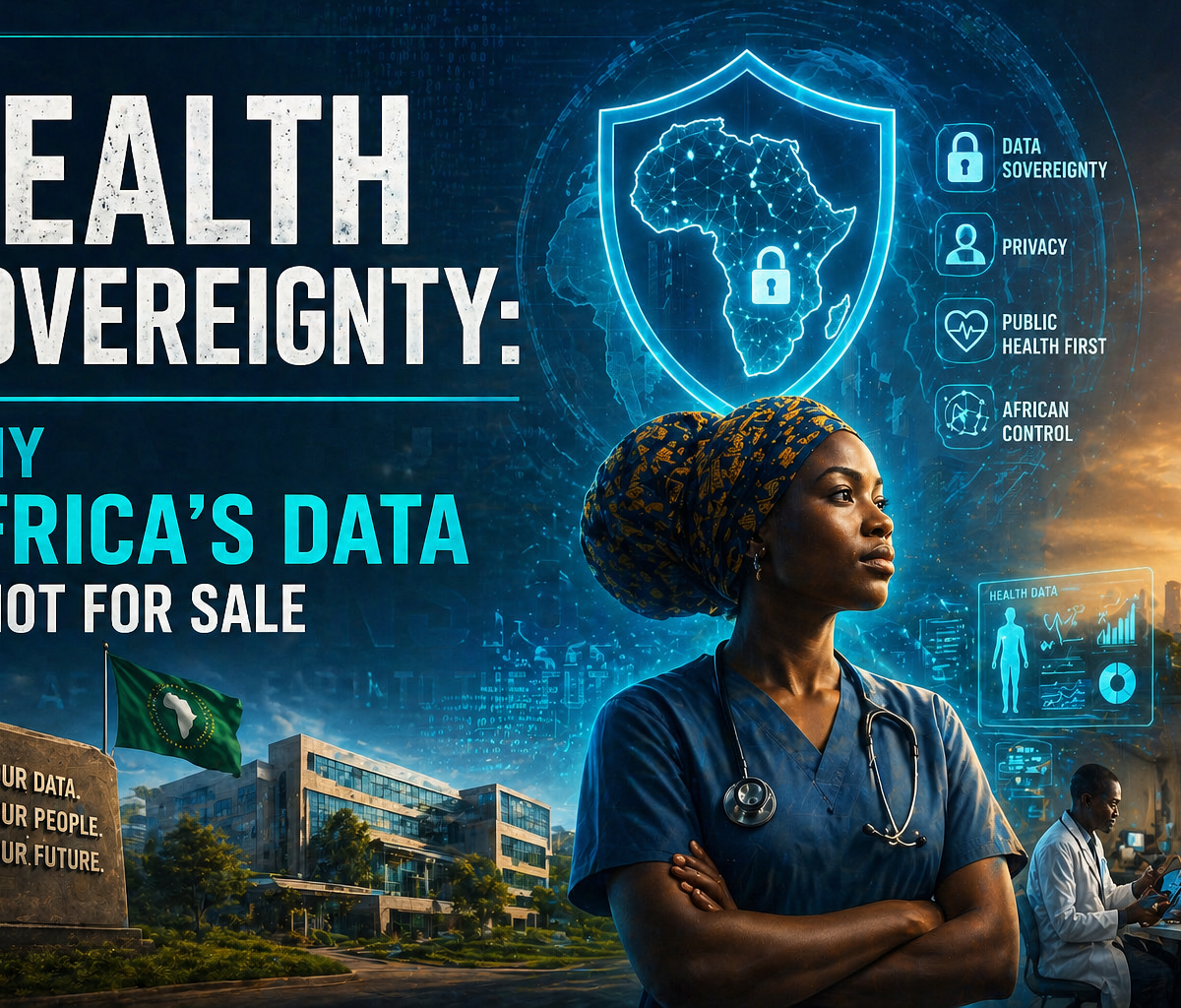
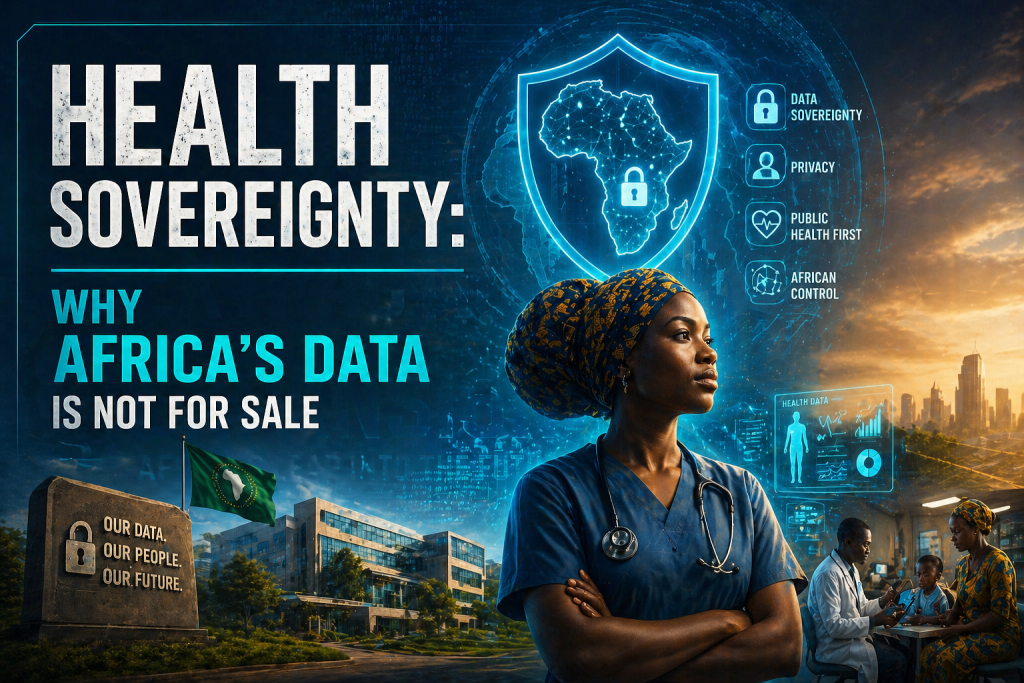
The old adage says that data is the “new oil,” but in the context of global health, that comparison is an understatement. Data is life. It is the blueprint of a nation’s vulnerabilities, its genetic heritage, and its future resilience. Recent headlines regarding Kenya entering a bilateral health agreement with the United States—trading access to national health records for funding—have ignited a firestorm of debate. It is time to speak plainly: African health data is a strategic national asset, and giving it away is not diplomacy; it is a surrender of sovereignty.
The New Scramble for Pathogens
For years, the “extract and export” model was limited to minerals and timber. Today, the frontier has moved to the microscopic level. The West’s desperate search for “pandemic preparedness” is driving a new scramble—not for land, but for pathogens and patient records.
When a nation handshakes a deal that grants foreign agencies near real-time access to its digital health systems, it loses more than privacy. It loses the ability to bargain. This data is the foundation of multi-billion dollar pharmaceutical breakthroughs. If Africa provides the raw data for a vaccine or a life-saving drug, but does not own the intellectual property or receive guaranteed, affordable access to the final product, the continent is being exploited once again.
The Risks of Digital Dependency
Sharing aggregated data might sound benign in a press release, but in the age of Artificial Intelligence, the risks are unprecedented:
- Re-identification: AI can often strip away the “anonymity” of aggregated data, exposing sensitive information about specific communities.
- Targeted Biological Risks: Deep knowledge of a population’s unique genetic and health profile is a national security risk. In the wrong hands, it is a map of a nation’s biological “backdoors.”
- Economic Exclusion: Private Western corporations can use this data to model insurance risks or pharmaceutical markets, potentially pricing out the very people the data was taken from.
Power, Not Charity
The argument that these deals are necessary for “funding” is a trap. It positions African countries as perpetual beggars rather than partners. True health independence—as recently signaled by Ghana’s rejection of similar data-contingent aid—requires a shift from aid-dependency to homegrown financing.
Africa must lead the way through the Africa CDC and regional frameworks like the Pandemic Agreement, which advocate for “Access and Benefit Sharing.” This means: if you take our data, we own a share of the result.
Strategy Over Surrender
Kenya’s High Court has already stepped in to pause these transfers, proving that the legal and moral consciousness of the continent is awake. We must move beyond the “America First” or “Europe First” models and embrace an Africa First digital health agenda.
Our medical records are the stories of our people, our struggles, and our survival. They are not a commodity to be traded for short-term budget fixes. Africa is a powerhouse in waiting, and a powerhouse does not give away the keys to its own house