

For decades, preventing excessive bleeding after childbirth depended on a medicine that had to remain refrigerated from factory to delivery room—a costly challenge in Kenya’s remote, arid counties. Now, health workers in Turkana say a heat-stable alternative that can withstand months without refrigeration is dramatically reducing postpartum hemorrhage, one of the country’s biggest maternal killers, while exposing the broader challenges of ensuring lifesaving medicines reach women who need them most.
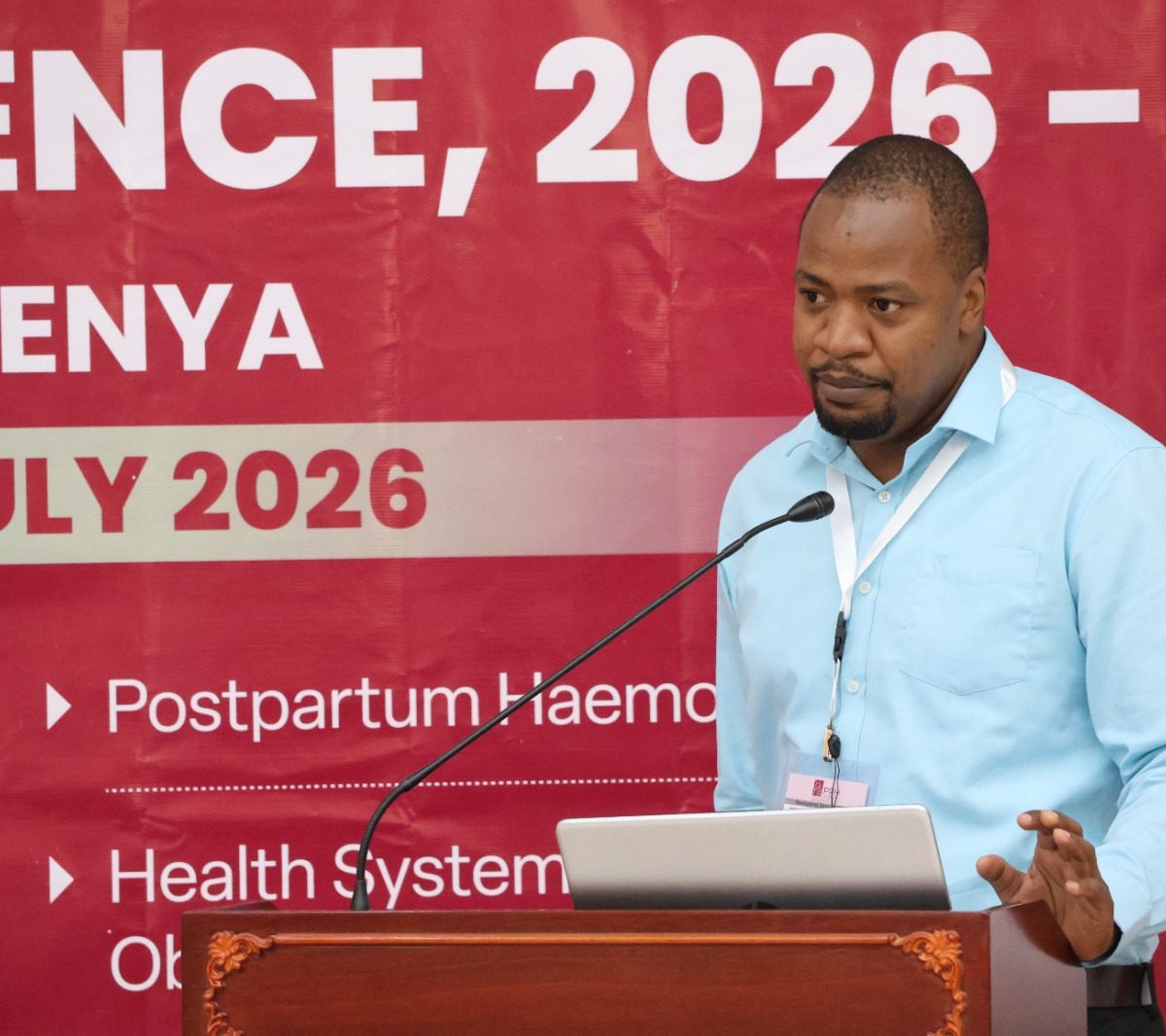
Presenting at the inaugural Postpartum Hemorrhage Conference in Nairobi, Dr. Juma Steven, an obstetrician-gynecologist at Lodwar County Referral Hospital, said heat-stable carbetocin—a uterotonic used to prevent postpartum hemorrhage (PPH)—is proving to be a game changer in one of Kenya’s most challenging environments.
He said that unlike oxytocin, the long-standing gold standard for preventing excessive bleeding after childbirth, heat-stable carbetocin remains effective for up to 48 months at temperatures of 30 degrees Celsius without refrigeration.
“Its heat tolerance makes it particularly suited to remote counties such as Turkana, where maintaining a reliable cold chain is difficult because of poor infrastructure, long transport distances and frequent power interruptions,” Dr. Juma said.
He explained that Turkana County initially introduced the medicine for women considered at high risk of postpartum hemorrhage. Following encouraging results, the county expanded its use to all mothers delivering in public health facilities, including lower-level health centers.
Dr. Juma said acceptance among healthcare workers has grown steadily despite initial resistance from clinicians and midwives who were accustomed to using oxytocin.
“Once somebody tries the single dose of heat-stable carbetocin and sees the good outcome, they normally get converted,” he said, noting that the medicine is easy to administer and enables healthcare workers to focus on other aspects of delivery.
He added that the rollout of heat-stable carbetocin has been supported through staff training, continuous medical education and adoption of the Labour Care Guide, which replaces the traditional partograph for monitoring labour.
Despite the reported success, Dr. Juma acknowledged that intermittent stock-outs continue to affect some health facilities, forcing hospitals to reserve the medicine for cesarean deliveries because of limited supplies.
He said wider access to heat-stable carbetocin, combined with skilled birth attendance and timely referral of obstetric emergencies, could significantly reduce maternal deaths, particularly in remote counties where access to comprehensive emergency obstetric care remains limited.
Dramatic decline in postpartum hemorrhage
According to Dr. Juma, cases of postpartum hemorrhage caused by uterine atony—the failure of the uterus to contract after delivery—have fallen by more than 90% since heat-stable carbetocin was introduced.
He said the county has recorded fewer than 15 cases over a six-month period, compared with substantially higher numbers before the rollout.
“If we are recording fewer than two cases in a month across the county, it means the drug is working,” Dr. Juma said.
He added that Turkana’s maternal mortality ratio has declined from 1,594 deaths per 100,000 live births in 2014 to about 381 today—a trend he believes will continue as access to effective medicines and quality maternity care improves.
Measurement gaps undermine progress
Despite the success of heat-stable carbetocin, health workers say major systemic challenges continue to hamper efforts to eliminate preventable maternal deaths.
Postpartum hemorrhage remains Kenya’s leading cause of maternal mortality, accounting for between 37% and 40% of all maternal deaths.
New guidelines from the World Health Organization (WHO), the International Federation of Gynecology and Obstetrics (FIGO) and the International Confederation of Midwives (ICM) recommend diagnosing postpartum hemorrhage when blood loss reaches 300 milliliters and is accompanied by abnormal vital signs, such as a rapid pulse or low blood pressure.
However, Eunice Atsali, Vice President of the Midwives Association of Kenya, said many maternity units still lack calibrated blood collection drapes that accurately measure blood loss after childbirth.
Without them, she said, midwives often rely on visual estimation, commonly referred to as the “machometer.”
“Whenever you use your eyes, there is a high likelihood of either underestimating or overestimating blood loss,” Atsali said.
She warned that inaccurate estimates can delay lifesaving treatment and increase the risk of severe complications, including organ failure and chronic kidney disease.
Cost and supply chain challenges
The transition to heat-stable carbetocin was initially slowed by its high price, which once stood at about 2,500 Kenyan shillings (about $19) per dose.
A special access agreement for Kenya’s public health sector has since reduced the price to between 90 and 95 Kenyan shillings per dose, making the medicine far more affordable for government facilities.
Even so, many health facilities continue using oxytocin because it costs about 20 Kenyan shillings per dose.
However, Paulicarp Oyoo of the International Centre for Reproductive Health cautioned healthcare workers and procurement leaders against focusing solely on the purchase price, saying doing so overlooks the broader economic benefits.
“Cheap can become very expensive,” Oyoo said, noting that preventing a single case of postpartum hemorrhage can eliminate the need for blood transfusions, emergency surgery, intensive care and prolonged hospitalization—costs that far exceed the price of the medicine itself.
He added that supply chain bottlenecks remain another obstacle, with procurement taking between seven months and a year, leading to periodic stock-outs that leave healthcare workers unable to provide the recommended treatment.
Dr. Juma urged expectant mothers and their families to prepare for delivery well before labour begins by identifying a health facility, arranging transportation and setting aside emergency funds to minimize delays in seeking care.
According to Atieno Jalango of Ferring Pharmaceuticals, one of the partners supporting the rollout, the company aims to help protect 30 million women worldwide from postpartum hemorrhage by 2030.
“When we prevent maternal bleeding, the atmosphere in the labour ward changes completely,” Jalango said. “It creates a safer environment for both mothers and healthcare workers, reduces stress on providers, and gives families the opportunity to welcome a healthy mother and baby home together.”
The experience in Turkana suggests that a medicine designed to withstand extreme heat could play a critical role in reducing maternal deaths in Kenya’s hardest-to-reach communities, where maintaining cold-chain storage remains one of the biggest barriers to delivering lifesaving medicines.