
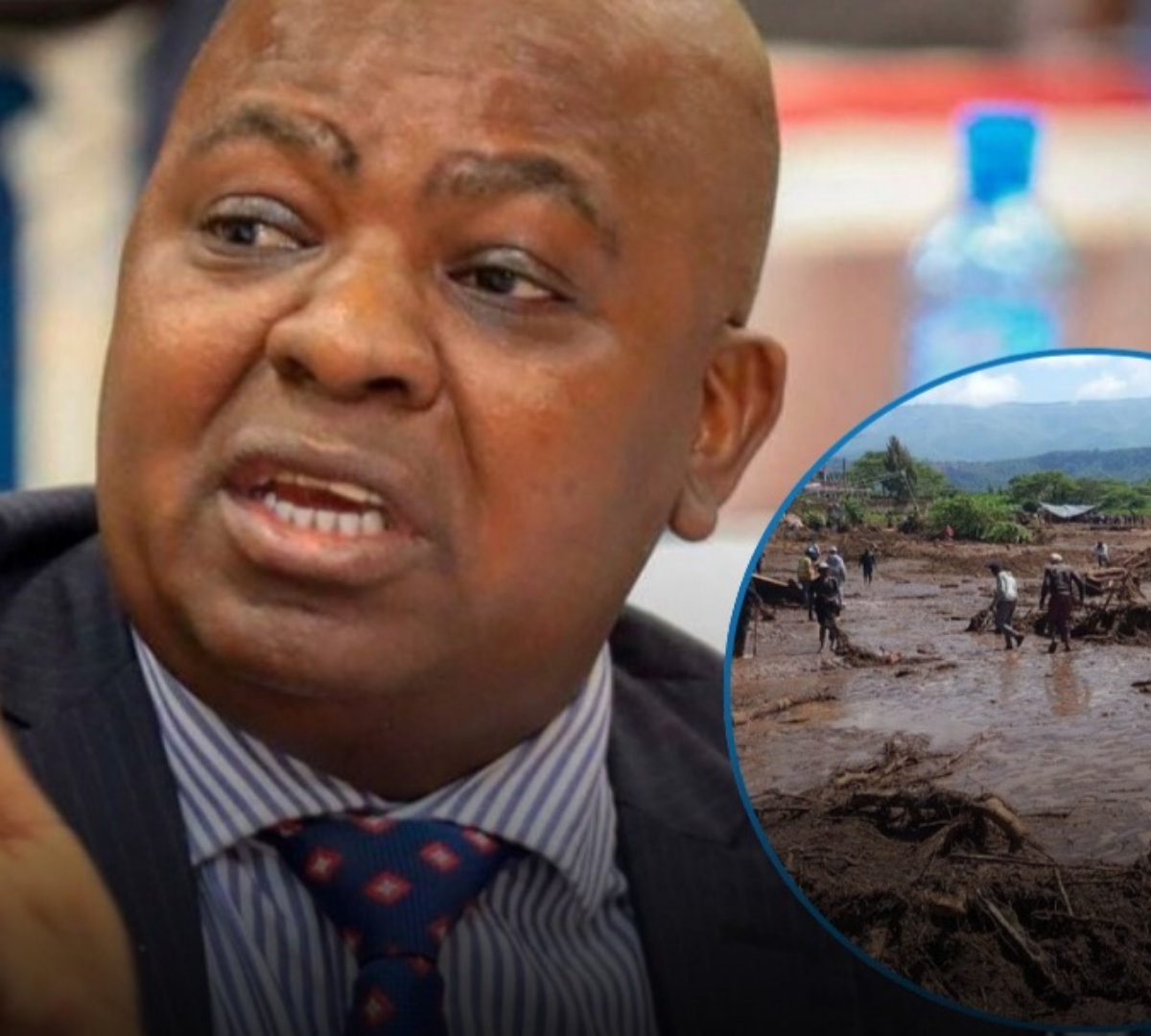
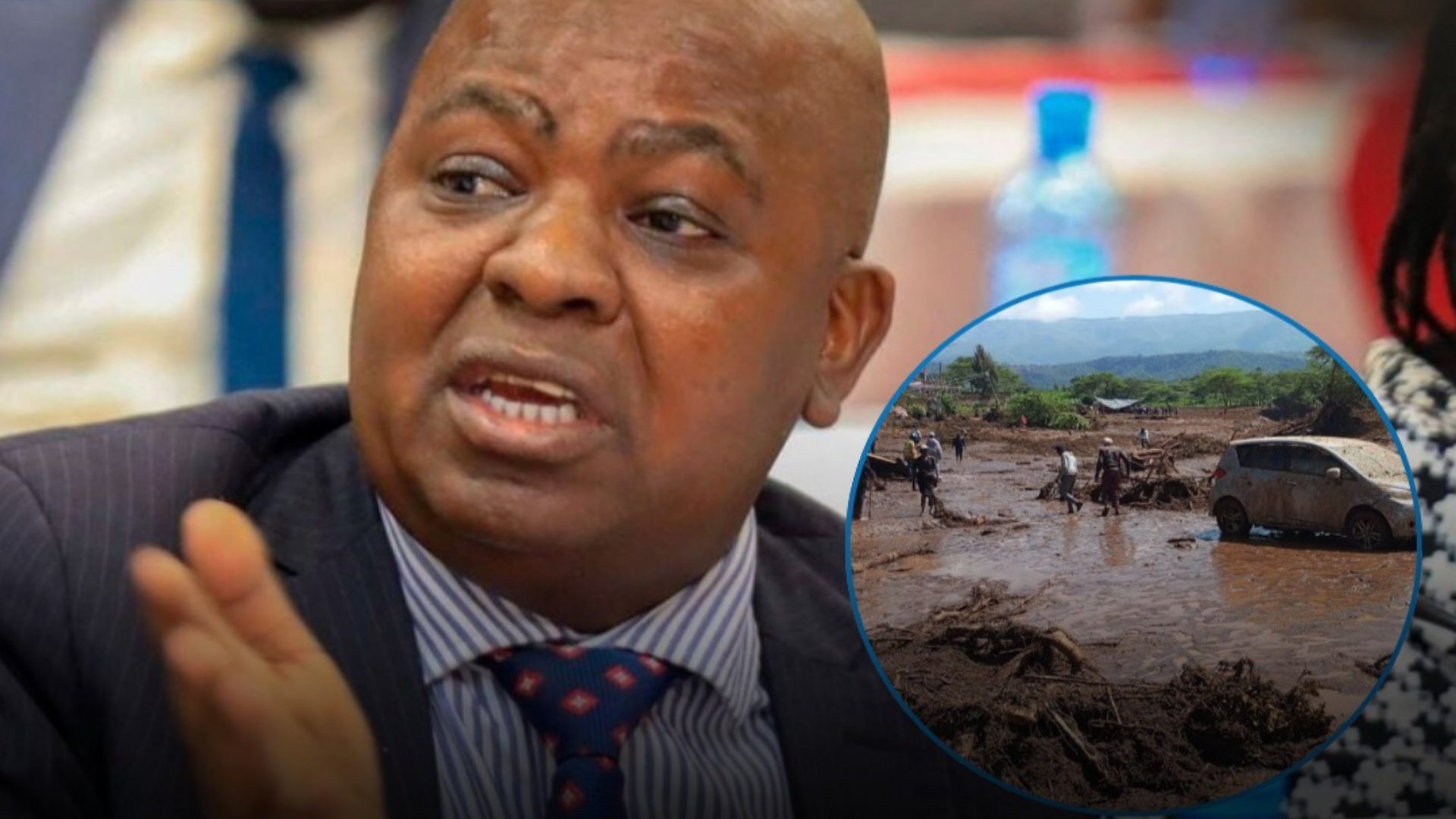
Kenya Railways Corporation managing director Philip Mainga pictured alongside a inset showing flood damage caused by structural failure at Maai Mahiu
|
Citizen Digital
The High Court has rejected an attempt by the railway agency to block criminal investigations into infrastructure failure linked to 76 flood deaths.
The High Court has declined a request by Kenya Railways Corporation (KRC) and its managing director, Philip Mainga, to suspend orders requiring investigations into possible criminal responsibility over the 2024 Maai Mahiu floods that killed 76 people.
Court rulings previously established that the disaster stemmed from a preventable failure by state agencies. High Court judges noted that the agency and its executive failed to demonstrate that they would suffer substantial loss if the investigation orders remained active during an appeal process.
The tragedy occurred when water accumulated near a railway embankment, creating a massive surge of water, mud, and debris that swept through downstream settlements.
The court labeled the incident a structural failure of state-managed property rather than an unpreventable natural occurrence, placing liability on infrastructure maintenance.
The ruling opens the door for victims to pursue private prosecution, particularly if the Director of Public Prosecutions (DPP) and police fail to take action within thirty days.
Civil infrastructure failures across public transport corridors continue to draw legal scrutiny. Public agencies overseeing critical transport networks face increasing demands for structural accountability, maintenance protocols, and environmental impact management along major transit routes.
Lawyers representing the affected families maintained that administrative agencies must be held accountable for neglecting maintenance checks on structural embankments.
The decision allows investigative authorities to proceed with gathering evidence on potential negligence, maintenance lapses, and failure to monitor drainage channels alongside state transport corridors.
State officers now face potential criminal charges dependent on police findings. Investigations will continue regarding the maintenance schedules, risk assessments, and structural monitoring of the railway embankment leading up to the disaster.