By Michael Mbaka, DRIVE Country Manager
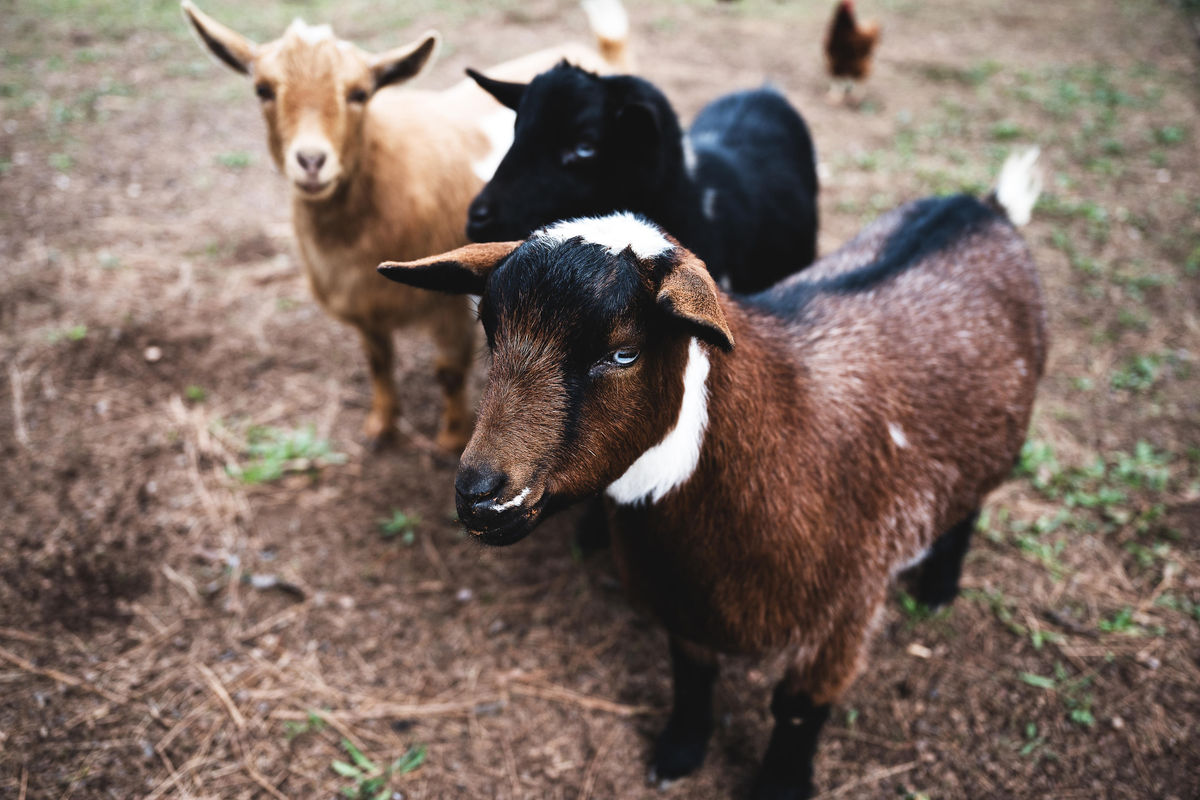
When drought occurred in several ASAL counties during the October–December 2025 short rains, Esther (name withheld) household in Kajiado received a KES 54,000 livestock-insurance payout. She bought two goats and fodder; both goats later delivered twins. A second payment helped buy more feed and meet school expenses. Esther was among pastoralists in 21 counties who received KES 545 million enhancing their climate shock resilience.
Her story is personal, but the opportunity is national. Livestock contributes about 12 per cent of Kenya’s GDP and 42 per cent of agricultural GDP . ASAL counties produce more than 80 per cent of the country’s red meat , and meat exports earn over KES 18 billion annually . Yet domestic demand still exceeds production. Between 2020 and 2022, Kenya lost more than 2.5 million animals to drought, exposing pastoralist livelihoods and disrupting trade and consumers’ access to quality, affordable livestock products. Kenya needs a better organised and financed value chain that can withstand climate shocks, raise productivity and reward producers fairly.
The State Department for Livestock Development is pursuing a whole-value-chain response in ASAL counties. A major investment is the De-Risking, Inclusion and Value Enhancement of Pastoral Economies (DRIVE) project, backed by more than US$140 million . DRIVE combines climate protection with finance, technology, skills and market development: one component helps pastoralists keep animals alive during drought; the other supports livestock trade and financing.
Component One is implemented by ZEP-RE with insurers, banks, development partners, counties and pastoralist groups with support of State Department for Livestock Development. Kenya’s largest pastoralist financial-resilience platform now covers 21 ASAL counties, with 21 private-sector partners and 5,876 groups and cooperatives. It has reached about 1.6 million people and issued more than 330,000 insurance policies . Subsidised index-based insurance and savings incentives give pastoral households timely liquidity for feed and essentials when satellite data shows pasture deteriorating.
Insurance uptake has long been low because insurance cover felt expensive or unfamiliar. The government premium subsidy changes that: a pastoralist can insure more than 50 goats for a year at less than the value of one goat. Severe drought can trigger an insurance payout, mild drought can unlock savings incentives, and a season without a major shock can return part of the premium pool through a no-claim benefit issued as cash benefit to pastoralists.
This layered approach recognises that not every dry spell becomes a catastrophe: savings absorb smaller shocks without having to liquidate assets, while insurance responds when forage scarcity becomes severe. In Kenya, DRIVE has protected about 1.086 million Tropical Livestock Units – roughly 3.3 million animals – valued at KES 32 billion . Pastoralists have contributed KES 831 million in premiums reflecting the demand for the service; more than 20 underwriters have mobilised KES 18 billion in risk capital ; and about KES 2.7 billion has been paid to pastoralists through insurance claims and savings bonuses.
The project is also drawing families into formal finance. More than 220,000 digital accounts are enabling faster payments and accumulation of savings, rails to develop credit access and other services. Key to this is making access to services easy through digital platforms that can be accessed even offline. Pastoralists can self-register through *800*8# or be registered by localised community mobilisers/agents who are nominated from pastoral groups or cooperatives. The ease of access and mobilisation through groups has supported women to hold about 60 per cent of the insurance policies – important in communities where women carry much of the responsibility for household welfare but have had limited access to formal finance.
Insurance cannot transform the sector alone. DRIVE’s second component is implemented and coordinated by the State Department for Livestock Development together with Kenya Development Corporation and its partners like Agricultural Finance Corporation. It complements herd protection with animal traceability, vaccination and concessional financing for fodder, feedlots, aggregation, processing and exports among other value chain activities. More than KES 1 billion has been disbursed across 18 ASAL counties , enabling enterprises often overlooked by conventional lenders to invest, expand and create jobs.
Animal health underpins this growth. Vaccination and veterinary services reduce losses and will help Kenya meet premium-market standards. Also, the Government’s promoted livestock traceability system – Anitrac, will give buyers confidence about where and how Kenyan meat was produced where also supporting producers managing various production risks.
A major missing link is producer aggregation. Following the President’s Madaraka Day announcement in Wajir, the State Department for Livestock Development is supporting pastoralist-owned companies. Properly governed, these businesses can create economies of scale by coordinating demand and supply for inputs, finance, animals and services; pooling knowledge and technology; and delivering the volumes and quality required by larger buyers. With sound governance and the right infrastructure, they can give pastoralists stronger bargaining power and open more opportunities for women and young people.
Community aggregation units can supply animals to processors and exporters while also running feedlots where cattle, fodder, water, veterinary support, working capital and committed buyers are available. They can finish some animals to consistent weights and aggregate others for larger contracts. For instance, raising average carcass weight from 125kg to 175kg could add an estimated KES 47 billion annually and reduce Kenya’s beef deficit by a third. The model is already taking shape: one DRIVE-backed enterprise produces about 300,000 hay bales a season from 2,500 acres, using some in their feedlot and selling the surplus to producers.
Fodder conservation and smart irrigated fodder offer further opportunities to finish animals for higher-value markets. Southern Africa region provides established examples in which individual farmers handle primary production while larger businesses finish animals. The proposed Kenya’s pastoralist-owned large aggregation units (pastoralists owned businesses similar to dairy and tea sector) can adapt this model, alongside other producers, to supply animals and add value through finishing.
This is the opportunity presented by initiatives like DRIVE and others: insurance and savings accumulation provide liquidity when drought strikes; that protection de-risks pastoralist production including pastoralists and other investors (lenders included) capital; and aggregation turns individual effort into market power. When pastoralists can protect their herds, secure capital, coordinate supplies (inputs & outputs) and reach dependable buyers, they move from surviving shocks to building wealth. Kenya’s red-meat promise will be realised the right incentives and coordination infrastructure are built to enable both financial and non-financial services to flow to the sector.
Black Hot Fire Network Team