
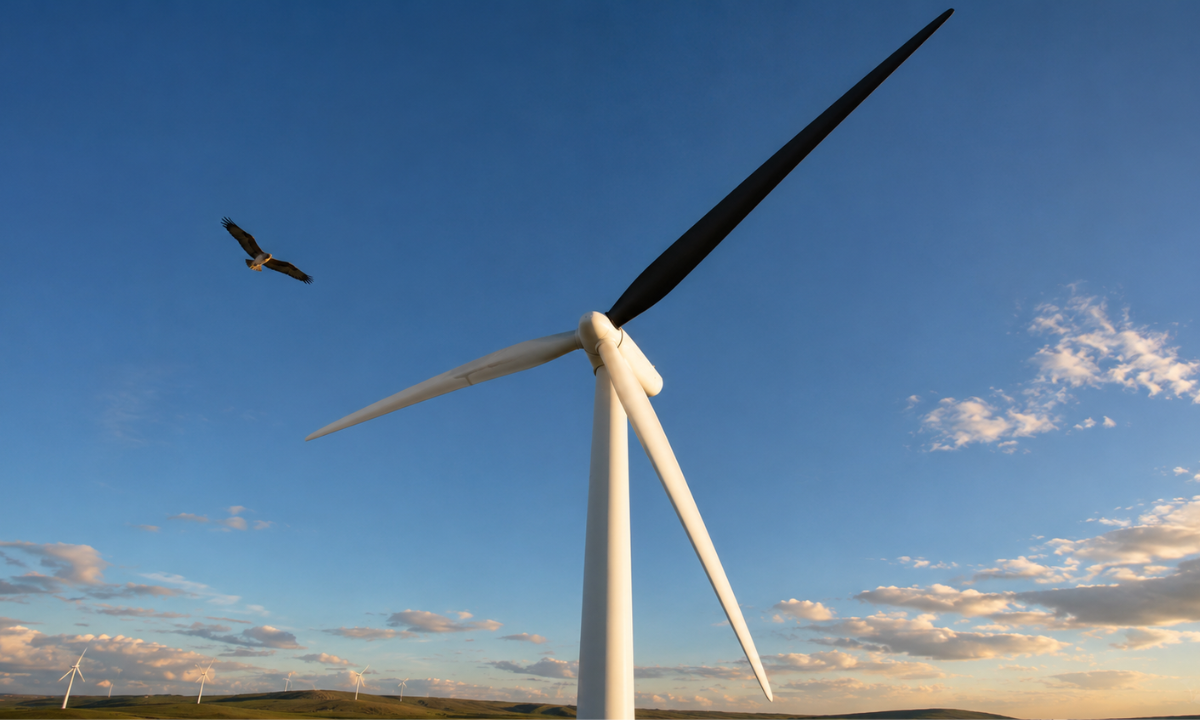
Most people don’t pay attention to the color of a wind turbine; yet one black-painted blade has become the focus of an experiment that could help solve one of renewable energy’s biggest wildlife challenges. At Norway’s Smøla wind farm, researchers found that painting just one of a turbine’s three blades black reduced bird fatalities by more than 70% compared with nearby unpainted turbines. The idea sounds almost too simple to work, but it has attracted international attention because it doesn’t rely on expensive technology or a complete redesign. Instead, it asks a surprisingly simple question: could a change in color make spinning turbine blades easier for birds to see? According to a study published in Ecology and Evolution, the answer at one Norwegian wind farm was a convincing yes.
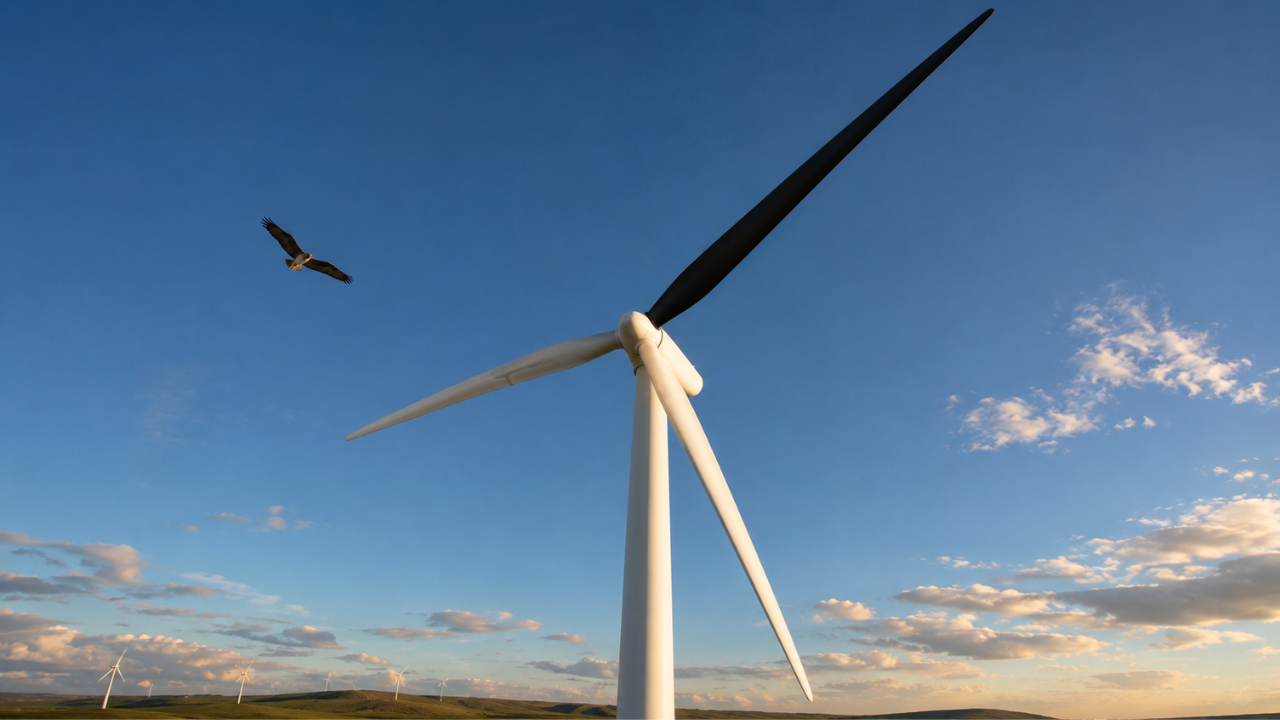
AI Representation: For years, scientists have tried to understand why birds collide with wind turbines despite their excellent eyesight | ChatGPT
Why birds struggle to see spinning wind turbinesFor years, scientists have tried to understand why birds collide with wind turbines despite their excellent eyesight. One leading explanation is a phenomenon known as “motion smear.” When turbine blades rotate at high speed, the three white blades can blend visually into a blurred disc, making it difficult for birds to judge the position and speed of the moving obstacle. Researchers believed that increasing the contrast by painting one blade black would make the rotor easier to distinguish against the sky, giving birds more time to react and change course.To test the theory, researchers monitored bird collisions before and after painting one blade black on selected turbines at the Smøla wind farm in Norway while also comparing them with nearby unpainted turbines. The results showed an average reduction of more than 70% in bird fatalities at the modified turbines. Particularly notable was the absence of recorded white-tailed eagle deaths around the painted turbines during the monitoring period after the intervention, although researchers caution that the study was conducted at a single site and should be replicated elsewhere before broad conclusions are drawn.A simple idea that is now being tested around the worldAs wind energy expands globally, reducing bird collisions has become an important challenge for both conservationists and renewable energy developers. Rather than relying solely on radar systems, shutdown technologies or major engineering changes, several countries are exploring whether a relatively inexpensive paint treatment could become part of a broader wildlife protection strategy.Trials and evaluations have since been planned or carried out in parts of Europe and the United States to determine whether the results can be reproduced across different landscapes, climates and bird species. Researchers are also studying practical considerations, including whether darker blades affect heat absorption, maintenance requirements or lightning protection. So far, there is no evidence that the paint itself negatively affects turbine performance, but scientists emphasize that more long-term testing is needed before recommending widespread adoption, as per IEEE Spectrum.
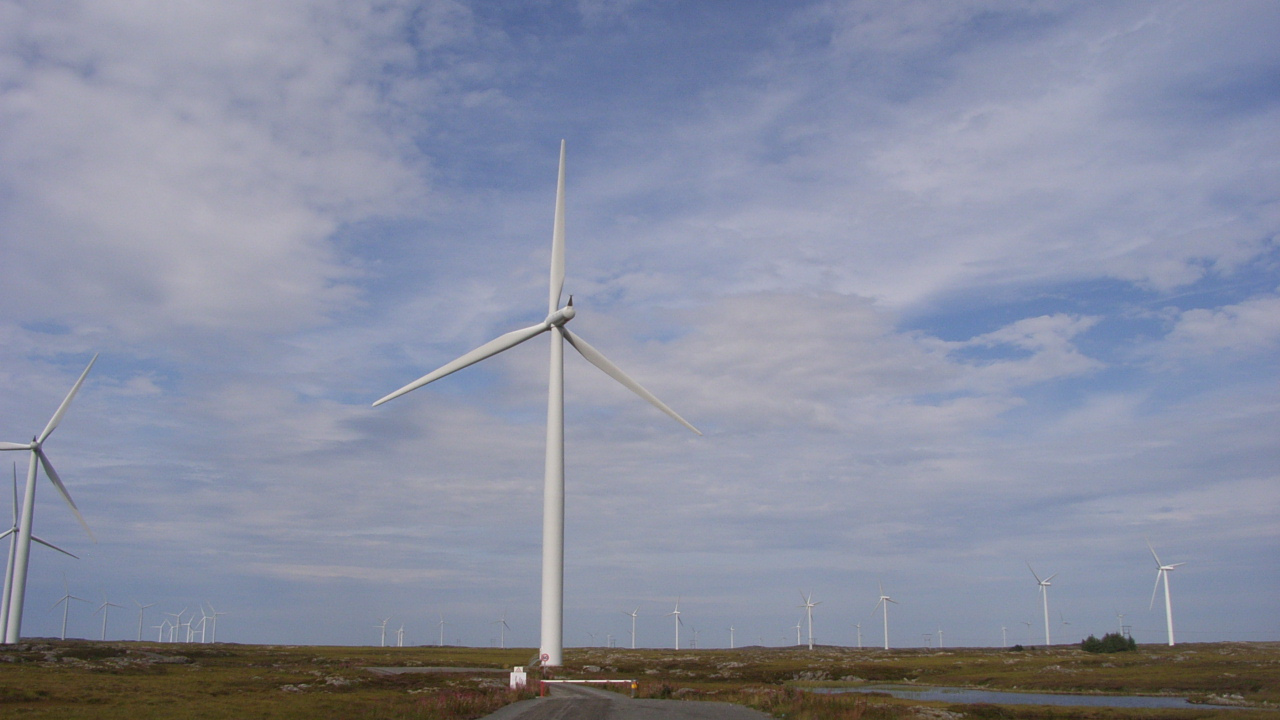
Norway’s Smøla wind farm | Wikimedia Commons
Could one painted blade become the future of wind farms?Wind turbines remain one of the world’s most important sources of renewable electricity, but balancing clean energy production with wildlife conservation continues to be a challenge. The Norwegian experiment has demonstrated that one of the most promising ideas did not emerge from a complex engineering breakthrough or an expensive new technology. Instead, it came from reconsidering how birds perceive a spinning turbine.Whether a single black blade becomes a standard feature of future wind farms will depend on the outcome of ongoing international trials. If similar reductions in bird collisions are observed elsewhere, the approach could offer developers a relatively inexpensive way to reduce wildlife impacts while continuing to expand renewable energy infrastructure. Sometimes, the biggest innovations aren’t about building something entirely new: they’re about looking at an old problem from a different perspective.