

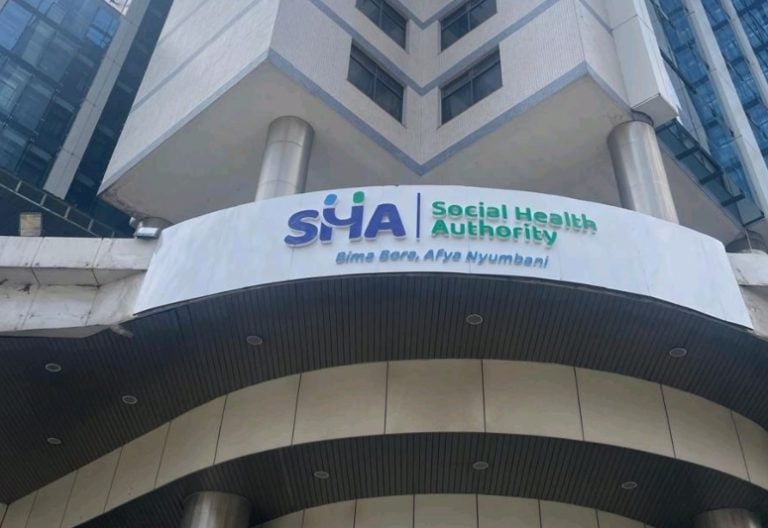
The Government of Kenya has eliminated co-payments for teachers under the Social Health Authority (SHA) plan. This policy shift, announced by the Ministry of Health on Thursday, aims to reduce the financial burden on educators and is a key component of the nation’s new universal health coverage framework, which replaced the National Hospital Insurance Fund (NHIF) in late 2025.
Months of negotiations between the government and teachers’ unions, including the Kenya National Union of Teachers (KNUT) and the Kenya Post Primary Education Teachers (KUPPET), preceded the decision. Teachers had previously reported being required to pay out-of-pocket co-payments, ranging from KES 500 to KES 5,000, despite paying monthly premiums.
Ending the Out-of-Pocket Crisis
The Social Health Authority confirmed that, effective April 2026, accredited public and private healthcare providers are prohibited from requesting co-payments from teachers enrolled in the SHA scheme. This applies to both outpatient and inpatient services. The government has committed to directly reimbursing hospitals at a higher rate to offset the removal of these fees. This adjustment is projected to increase the National Treasury’s annual expenditure by KES 12.4 billion.
A representative from the Ministry of Education stated that the policy aims to ensure equitable access to healthcare for teachers, regardless of their location. The goal is to provide the same level of care to a teacher in a rural school in Turkana as to a senior civil servant in the capital.
SHA vs. NHIF: The New Reality
The transition from NHIF to SHA has been a subject of national discussion. Under the new SHA framework, Kenyans contribute 2.75% of their gross income toward health insurance. For the over 360,000 teachers on the Teachers Service Commission (TSC) payroll, the transition initially raised concerns about the continuity of their specialized “Minet” insurance cover. The government has clarified that the SHA will now serve as the primary insurer, with the specialized scheme functioning as a secondary “top-up” for services not covered under the basic package.
Health economists at the University of Nairobi anticipate a 20% increase in hospital visits by teachers in the short term due to the elimination of co-payments. They suggest the long-term benefits include a healthier, more productive workforce and a reduction in catastrophic health expenditures. The SHA currently manages a pool of over KES 150 billion, and its success is considered a test of the Ruto administration’s “Bottom-Up” economic agenda.
Challenges and Stakeholder Reactions
While unions have welcomed the change, some private hospital administrators have voiced concerns about the speed of reimbursements. A director at a leading private hospital in Nakuru emphasized the need for the SHA to pay claims within a 30-day window to prevent a decline in the quality of care, citing past issues with the NHIF.
The Ministry of Health has established a 24-hour hotline for teachers to report any facility that continues to demand co-payments. This initiative is part of a broader government effort to implement a “service delivery guarantee” across all public sectors in 2026. The policy change represents a victory for teachers’ collective bargaining power and a tangible improvement in their social welfare.