
A controversial proposal by U.S. officials to establish a quarantine and treatment facility in Kenya for American citizens exposed to Ebola has triggered growing anger and suspicion among many Kenyans, with citizens openly criticizing both the U.S. government and any local leaders seen to be supporting the idea.
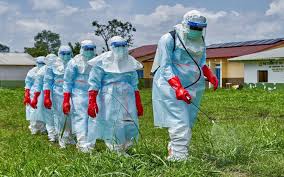
According to reports, the proposed facility would be operated by officers from the U.S. Public Health Service and would focus specifically on isolating, monitoring, and treating American nationals exposed to Ebola in Central and East Africa. The discussions come as the region faces heightened tension following Ebola outbreaks in eastern Democratic Republic of Congo (DRC), with Uganda reportedly tightening and in some cases closing border access with the DRC to contain possible spread.
But for many Kenyans, the proposal raises a disturbing question: why should Kenya become a foreign quarantine zone for another country’s citizens during a dangerous regional health crisis?
Across social discussions and public debate, critics have argued that the plan appears less like a humanitarian effort and more like an attempt by the United States to outsource a potential health risk while protecting its own population from exposure back home. Many citizens fear Kenya could be turned into a medical buffer state, carrying risks without receiving equal benefits or guarantees.
The backlash has also exposed deeper frustrations over sovereignty and leadership. Several Kenyans have questioned whether political leaders would prioritize foreign diplomatic interests over the concerns and safety of ordinary citizens. Others have pointed to the strain already facing the country’s healthcare system, arguing that Kenya should focus on protecting its own people first before agreeing to host specialized facilities for foreigners.
Public health voices have also raised concerns over oversight and accountability. Questions remain over who would control the facility, how emergencies would be handled, and what protections would exist for nearby communities if containment measures failed.
Supporters of the proposal argue that Kenya’s relatively advanced infrastructure makes it strategically positioned to support regional emergency response efforts. However, critics counter that strategic positioning should not automatically make Kenya the preferred destination for high-risk foreign quarantine operations.
As negotiations reportedly continue, public resistance appears to be growing stronger. For many citizens, the issue is no longer just about Ebola — it is about national dignity, public trust, and whether Kenya is being asked to shoulder a burden that wealthier nations are unwilling to carry themselves.