

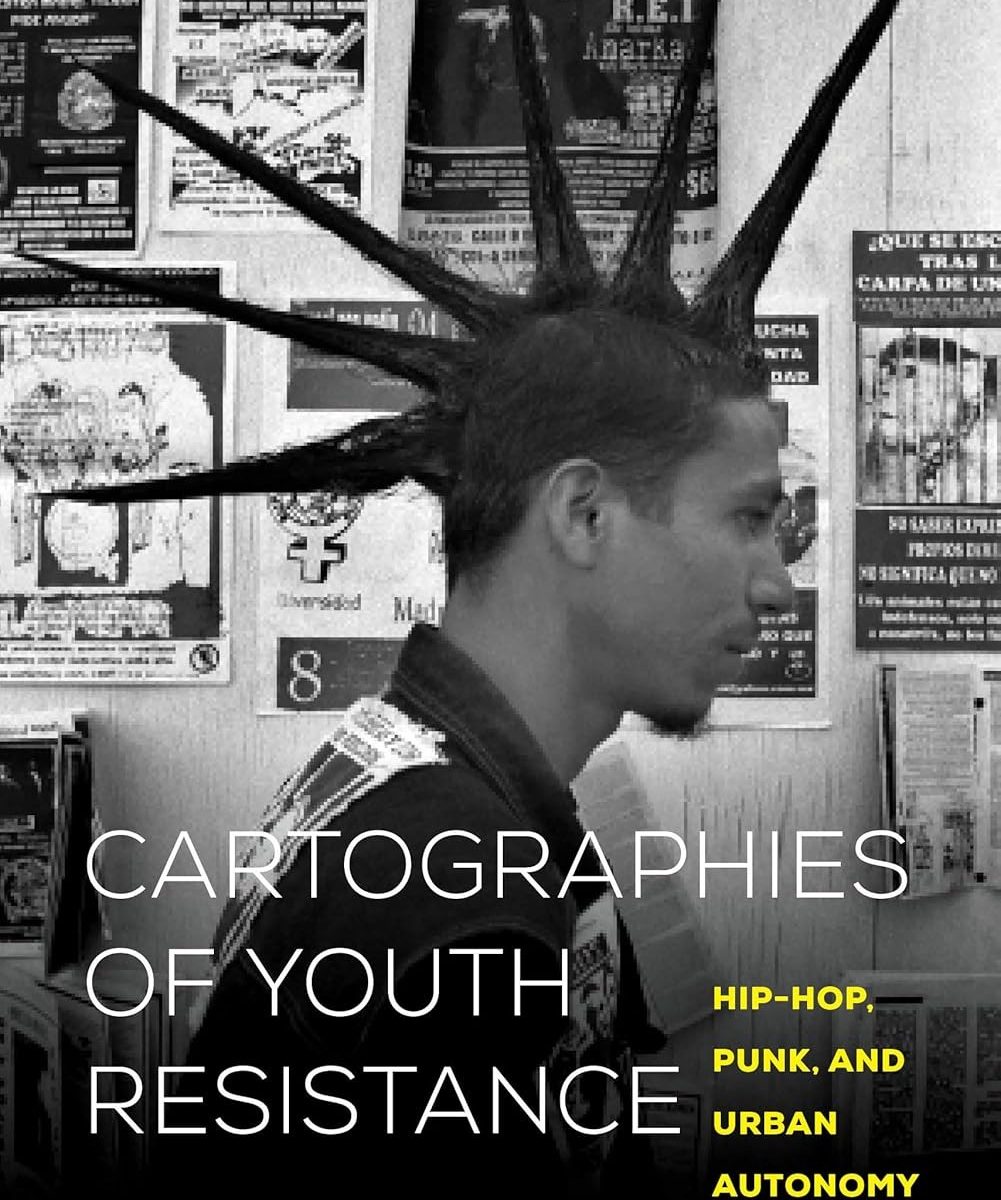

The book ‘Cartographies of Youth Resistance’ was published November 17, 2020, so it’s out now.
HEADLINE
Maurice Magaña Maps How Oaxaca’s Youth Turn Hip-Hop And Punk Into Urban Resistance
TAGS
Maurice Rafael Magaña, University of California Press, Lynn Stephen, Nancy Postero,
BLOG POST
Hip-hop and punk became tools of rebellion for young people remaking a Mexican city from the ground up. Maurice Rafael Magaña documents that movement in ‘Cartographies of Youth Resistance: Hip-Hop, Punk, and Urban Autonomy in Mexico’, out now via University of California Press.
Built on a decade of ethnographic fieldwork, the book considers how urban and migrant youth in Oaxaca embrace subcultures from hip-hop to punk and adopt creative organizing practices to carve out meaningful channels of participation in local social and political life. Along the way, these young people remake urban space and construct new identities.
Those acts of creation carry real weight. The youth directly challenge elite visions of their city and essentialist notions of what it means to be indigenous in the contemporary era, offering a counter-reality to the negative stereotypes pinned on Mexico’s underclass. Magaña frames them as agents of change and dreamers of liberatory, dignified futures.
The work sits in the long afterlife of the renowned 2006 Oaxaca teachers’ strike and the civil uprising that followed. Magaña shows how this sector cohered into a movement, building a counter-space of resistance and autonomy in militarized neoliberal Mexico by drawing on punk, hip-hop, and indigenous customs alike, complete with a rebel aesthetics of music, murals, graffiti, and dance.
Scholars have praised the depth of the research. Anthropologist Lynn Stephen calls it activist ethnography that keeps you turning the pages, while the book stands as a notable contribution to hip-hop and punk studies within Latin America. It reads as essential for anyone interested in youth politics, social movements, urban studies, and migration.
Maurice Rafael Magaña teaches at the University of Arizona, where his work centres on youth, social movements, and urban politics across Mexico and the wider Americas.