Reparations or Responsibility? The UK’s Debate Over Slavery, History, and Accountability
Written by Keith A. Newsome on March 27, 2026
The debate over historical accountability and reparations has once again taken center stage, following comments by UK Conservative Party leader Kemi Badenoch regarding a recent United Nations resolution on slavery. The resolution, introduced by Ghana, described slavery as the greatest crime against humanity and called for reparations from former colonial powers. While many countries supported the motion, the United Kingdom joined 51 others—mostly European nations—in abstaining.
Badenoch strongly criticized this decision, arguing that the UK should have voted against the resolution altogether. In a post on X (formerly Twitter), she expressed concern that such measures could open the door to “trillions in reparations from UK taxpayers.” Her remarks reflect a broader concern among some political leaders that reparations could impose significant financial burdens on modern populations who were not directly involved in historical injustices.
Central to Badenoch’s argument is the claim that Britain played a leading role in abolishing slavery. Indeed, the UK was instrumental in ending the transatlantic slave trade in the 19th century, with the Slavery Abolition Act of 1833 marking a significant milestone. For Badenoch and her supporters, this legacy complicates calls for reparations, raising questions about whether a nation that helped end slavery should now be held financially accountable for its earlier role in it.
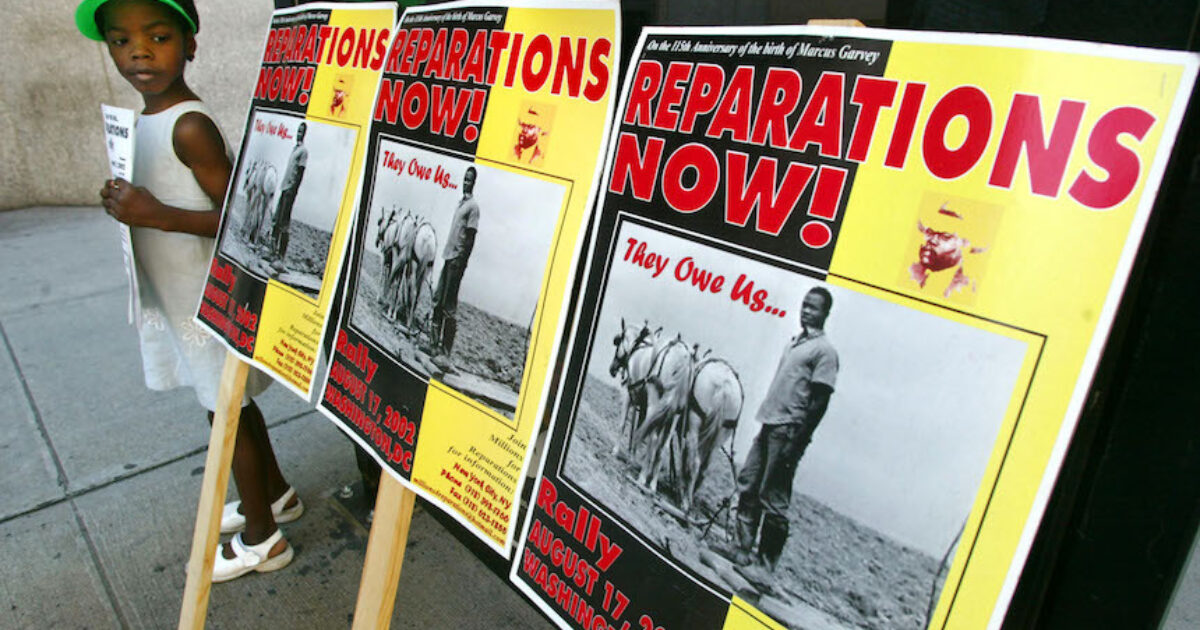
However, supporters of the UN resolution argue that acknowledgment and reparations are not solely about financial compensation but also about justice, recognition, and healing. The transatlantic slave trade had devastating and long-lasting effects on millions of Africans and their descendants, shaping global inequalities that persist today. Advocates believe that formal apologies and reparative measures are necessary steps toward addressing these historical injustices.
The resolution also calls for the establishment of a global reparations fund, signaling a coordinated international effort to confront the legacy of slavery. For countries like Ghana, which introduced the motion, this is part of a broader push to ensure that the impacts of colonialism and exploitation are not forgotten or ignored.
This debate highlights a deep divide in how nations interpret history and responsibility. While some view reparations as a moral obligation, others see them as impractical or unfair to current generations. As discussions continue, the challenge will be finding a balance between acknowledging the past and navigating the political, economic, and ethical complexities of addressing it in the present.
Reader's opinions

Continue reading