
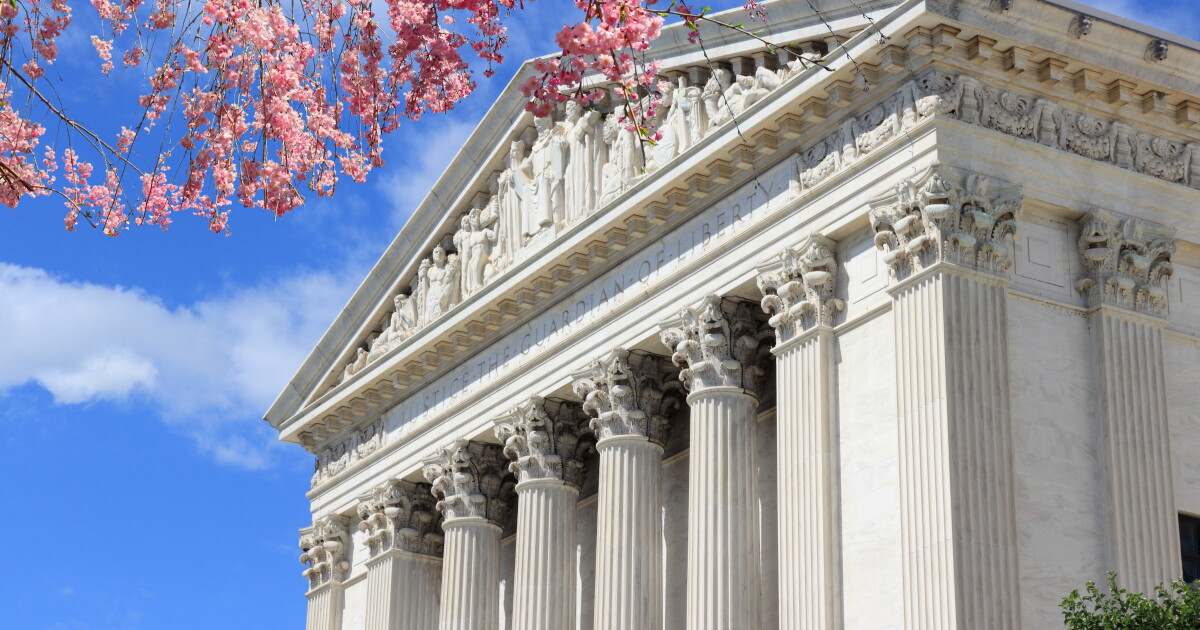
Rights organizations and legal aid groups are preparing amicus briefs and other filings ahead of case before the Supreme Court next month over the Trump administration’s so-called third country deportations.
The process sends immigrants and asylum seekers to countries they have no ties to though a series of binational agreements.
More than 25,000 people have been sent to countries other than their own since the practice began last year.
Alma David is compiling their stories as a consultant with the National Immigration Litigation Alliance.
She says among those arrested is a Honduran woman who was working as a pastor in Texas for years. She has what’s called withholding of removal for than a decade — it’s a status given by an immigration judge that prevents someone from being sent back to their home country because of specific threats they’d face.
Recipients of the status have to do regular check-ins with ICE. David says the pastor was arrested during a check-in this summer.
“She was taken into custody, and within a few days had been deported to Mexico, and from Mexico was then basically right away deported onward to Honduras,” David said.
They can often get a work permit and are legally allowed to remain in the U.S., but have no path to U.S. citizenship or permanent legal status.
David says up until this year, people with withholding-of-removal status were rarely deported.
“They were told, you know, welcome to the United States, as long as you don’t commit any serious crimes you can live here, you can get your work permit every year.
But now, under agreements with at least 31 countries, many are being sent to places where they have no ties.
The pastor is one of at least 310 deportees with protective orders from U.S. judges, according to rights groups.
Some, like the pastor, are then sent back to the country they fled.
The Supreme Court hears the case Dec. 9.