
– Advertisement –
African climate negotiators have reaffirmed their commitment to placing health at the heart of global climate negotiations, recognising climate change not only as an environmental challenge but as a growing public health emergency affecting millions across the continent.
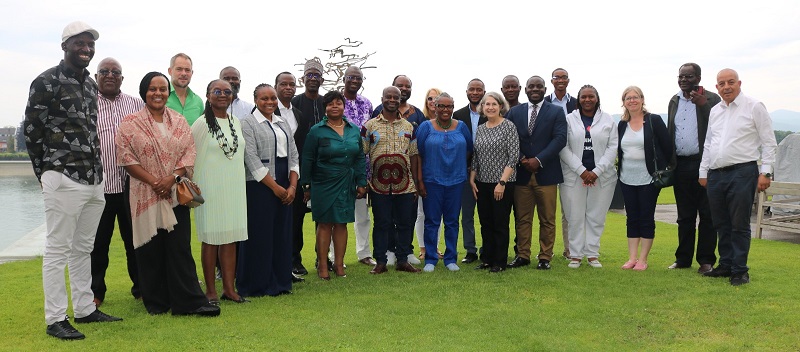
The call was made by African Group of Negotiators on Climate Change (AGN) Chair, Nana Dr. Antwi-Boasiako Amoah, during a Climate and Health Capacity Building Workshop convened in Bonn, Germany, ahead of the 64th Session of the UNFCCC Subsidiary Bodies (SB64).
Addressing negotiators, technical experts, young climate leaders, and representatives from key institutions, including the WHO-AFRO, the Africa CDC, Amref Health Africa, and the International Institute for Sustainable Development (IISD), Nana Dr. Amoah emphasised that climate and health are inseparable realities for Africa.

He noted that rising temperatures, recurrent floods and droughts, food insecurity, malnutrition, air pollution, and changing disease patterns are placing unprecedented strain on health systems and communities across the continent.
The workshop, supported by the IISD, builds on momentum generated by the launch of the first ever African Negotiators Climate and Health Curriculum developed by Amref Health Africa and launched in Dar es Salaam last year.
“Since then, evidence of climate-related health impacts has continued to mount, with climate- sensitive diseases expanding into new regions and extreme weather events damaging critical health infrastructure,” said Dr. Amoah. “We continue to witness climate-sensitive diseases expanding into new geographies, health infrastructure being damaged by extreme weather events, and increasing burdens on already stretched public health systems in Africa”.
The AGN Chair highlighted progress made in securing the inclusion of health within the framework of the Global Goal on Adaptation (GGA), describing it as a significant milestone in recognising that adaptation efforts must ultimately protect people, livelihoods, and well- being.
As discussions continue under the Belém Adaptation Indicators and the Baku Adaptation Road Map, African negotiators are calling for health indicators that reflect the realities and vulnerabilities of African countries, emphasising the urgent need for increased adaptation finance.
“Following the adoption of the Belém Adaptation indicators and the ongoing discussions under the Baku Adaptation Roadmap, Africa has a unique opportunity to shape how adaptation is measured, financed and implemented globally.
We must ensure that health indicators under the global goal on adaptation are meaningful, context-specific, and responsive to Africa’s realities. We must also continue pushing for adaptation finance that enables countries to build climate-resilient health systems, strengthen early warning systems, protect health infrastructure, and enhance preparedness for climate- related health emergencies,” said the AGN Chair.
Climate finance remains a top priority for the continent, and the AGN Chair noted that despite escalating climate-related health risks, the health sector continues to receive only a fraction of the adaptation finance required.
“We won’t relent on calling for developed countries to deliver on their climate finance commitments and ensure that health considerations are reflected within broader discussions on loss and damage, given the significant social and economic costs associated with climate- related health impacts,” he said.
Delegates at the workshop described a historic opportunity for the continent to shape global climate priorities, including climate and health, indicating COP31, which is meant to be a strong building block for COP32, to be hosted in Africa.
The workshop also highlighted the critical role of young negotiators and technical experts in ensuring continuity and long-term leadership of Africa’s climate and health agenda. Participants agreed that stronger collaboration between AGN, WHO-AFRO, Africa CDC, Amref Health Africa, and other partners will be essential in advancing coordinated African positions ahead of upcoming negotiations.
WHO-AFRO, Africa CDC, and Amref Health Africa highlighted their work on climate and
health, and pledged continued support for Africa’s climate and health agenda.
Overall, the AGN Chair reaffirmed the Group’s commitment to elevating climate and health as a strategic continental priority, urging negotiators to develop coherent African messages and negotiation strategies to ensure health remains fully integrated into climate policy discussions.
“Health is the human face of the climate crisis,” he noted, emphasising that if climate negotiations are ultimately about protecting people, then health must remain at the centre of global climate action.