
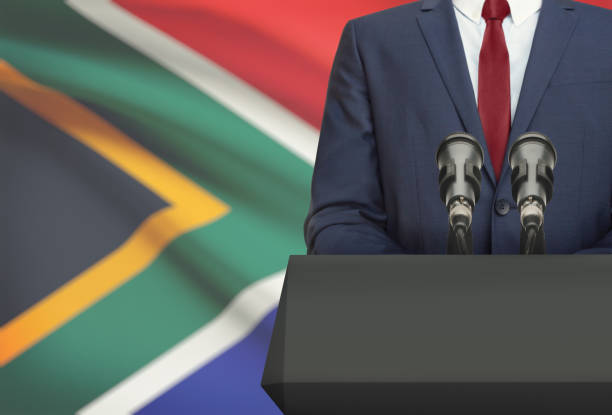
As South Africa enters 2026, the political environment is shifting amid sustained public pressure around governance, service delivery, and accountability. Following the turbulent 2024 elections, the year ahead is expected to test both political leadership and the country’s democratic institutions.
From coalition stability and policy implementation to economic recovery and public trust in government, South Africans are navigating an increasingly complex political landscape.
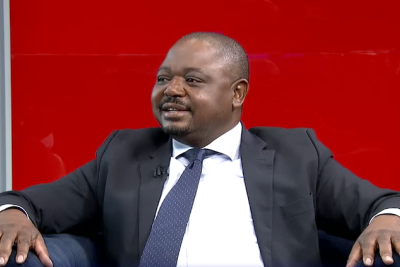
Political analyst Sandile Swana told VOC News: “We have entered a new political era — what the upper class refers to as the GNU — where the ANC is clearly no longer able to retain its voter base. Other parties, even if not necessarily more competent, are gaining momentum and reshaping the political landscape.”
He highlighted changing dynamics in Nelson Mandela Bay, noting that “the DA is now slightly larger than the ANC. Bear in mind that the ANC once commanded about 72 percent of the vote, leading outright, but has since fallen below the DA. This shift illustrates how voter sentiment is changing.”
Swana also pointed to rising political factionalism driven by both party and business interests. “We are seeing the politics of money and the politics of the stomach playing themselves out. Within the DA, the upper class has influenced leadership decisions, such as the replacement of Dion George with John Steenhuisen, despite administrative failures and previous controversies.”
He added: “What we are witnessing now is a situation where one does not necessarily need to be upright or act with integrity in one’s own right. Influence and status can be conferred, and that ultimately shapes the political direction we are heading in.”
Swana’s analysis underscores growing concerns about accountability, transparency, and the influence of elite interests on governance. Analysts warn that political manoeuvring, coalition negotiations, and factionalism will be key factors shaping policy implementation, economic progress, and public trust in 2026.
For South Africans, understanding these dynamics is critical, as leadership decisions and party alliances will directly affect service delivery, economic opportunities, and the strength of democratic institutions throughout the year.
Listen to the full interview below:
VOC News
Photo: Pixabay