

There is a unique magic to jazz music. It doesn’t just play; it breathes, speaks, and shifts right before your ears. Known globally as a definitive art form, its story is an extraordinary journey of survival, community, and radical creativity.
From the Cradle of New Orleans
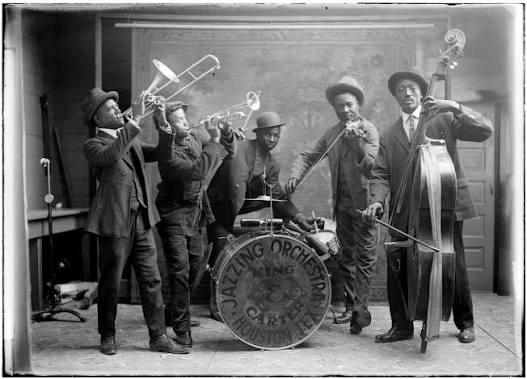
In the early 20th century, New Orleans, Louisiana earned its title as the “Cradle of Jazz.” It was a bustling port city where diverse cultures collided, but the true heartbeat of the music came from a place of profound struggle. Jazz’s deepest roots belong to the enslaved African caste who were torn from their homelands.
The pioneers of early New Orleans traditional jazz. Source: Archive Photos / Getty Images
In fields and town squares, these resilient communities kept their heritage alive through call-and-response musical traditions—where a leader’s melodic phrase is met by an answering chorus. Born from the need to survive unimaginable hardship, this sonic dialogue laid the groundwork for a completely new musical language.
The Art of Musical Conversation
At its core, jazz is the ultimate music of survival because it thrives on absolute freedom. Unlike rigid classical structures, jazz musicians engage in spontaneous, real-time conversations with one another.
Improvisation in motion. Source: David Sinclair/Popperfoto / Popperfoto via Getty Images
Through improvisation, a player will intentionally break from an established musical pattern, stepping out into the unknown. In that exact fraction of a second, the rest of the band responds, instantly creating a brand-new pattern together. It is a thrilling sonic tightrope walk where mistakes don’t exist—only opportunities for discovery.
A Global Cultural Earthquake
What began in the streets of New Orleans quickly spilled across the globe, sparking a massive cultural shift. During the Roaring Twenties, jazz broke down social barriers, integrated dance floors, and challenged rigid racial dynamics. It became the soundtrack of youth rebellion and liberation worldwide, from the underground clubs of Paris to the shifting social landscapes of post-war Tokyo.
Furthermore, modern music simply wouldn’t exist without jazz. Its rhythmic DNA, complex harmonies, and expressive soloing directly birthed and shaped a massive tree of genres:
- Rhythm and Blues (R&B) and Rock & Roll adopted its driving energy.
- Hip-Hop relies heavily on the art of jazz sampling and rhythmic improvisation.
- Pop and Reggae still utilize its call-and-response vocal delivery.
Jazz proved that music could be a living, evolving force. By turning the pain of oppression into a celebration of collective freedom, it didn’t just change the way we play notes—it permanently changed the way the world listens.