


Job seekers attended a Los Angeles-area jobs fair in July, 2026.Patrick T. Fallon /AFP via Getty
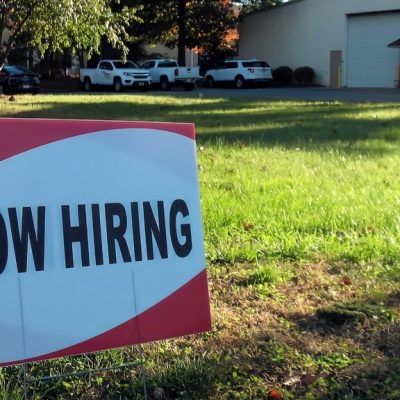
The Labor Department reported Friday that American nonfarm employers cut 23,000 jobs in July, a drop some attribute to employers’ wariness to hire amidst tariffs and the costs of the war in Iran.
At the same time, the unemployment rate fell slightly, from 4.2 percent to 4.1 percent, a drop economists attributed not to more people being employed, but rather to fewer people entering the labor force.
“The rate dropped to 4.1 percent in large part because labor force growth has stalled, not because opportunity is expanding,” Angela Hanks, chief of policy programs at the Century Foundation think tank, told CBS News.
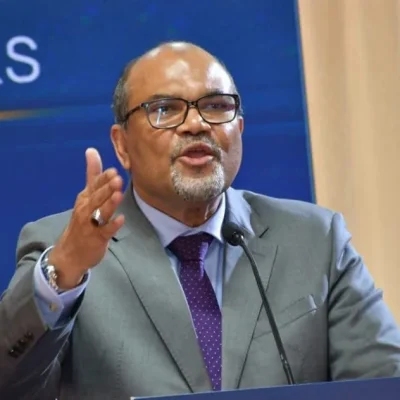
Kevin Hassett, director of the White House National Economic Council, spoke to reporters this morning. He cited a burst in construction as a driver of American jobs. But experts have pointed to the boom in data centers as the primary driver of nonresidential construction growth this year—and the vast majority of those jobs are temporary.
On Fox Business, Hassett said this month’s job losses are seasonal, pointing to a “big decline in hospitality workers around the end of the World Cup.” He talked about construction, but did not bring up the healthcare sector, which has been the largest driver of job growth in the country for the past several years. Healthcare and education combined have accounted for more than 75 percent of all private-sector job gains since 2023, according to researchers for the ADP National Employment Report.
Administration officials are optimistic that this month’s numbers may be just a blip. “In the end, you know, the proof will be in the number that we get next month,” Hassett said, adding that the administration remains “very bullish.”
Don Beyer, the senior House Democrat on the Joint Economic Committee, took a different view of the numbers. “Today’s jobs report is deeply alarming and offers some of the clearest evidence yet that President Trump’s policies are doing serious damage to the American economy,” Beyer wrote in a statement. “Job creation has effectively ground to a halt, and businesses simply are not hiring at the pace a healthy economy demands.”