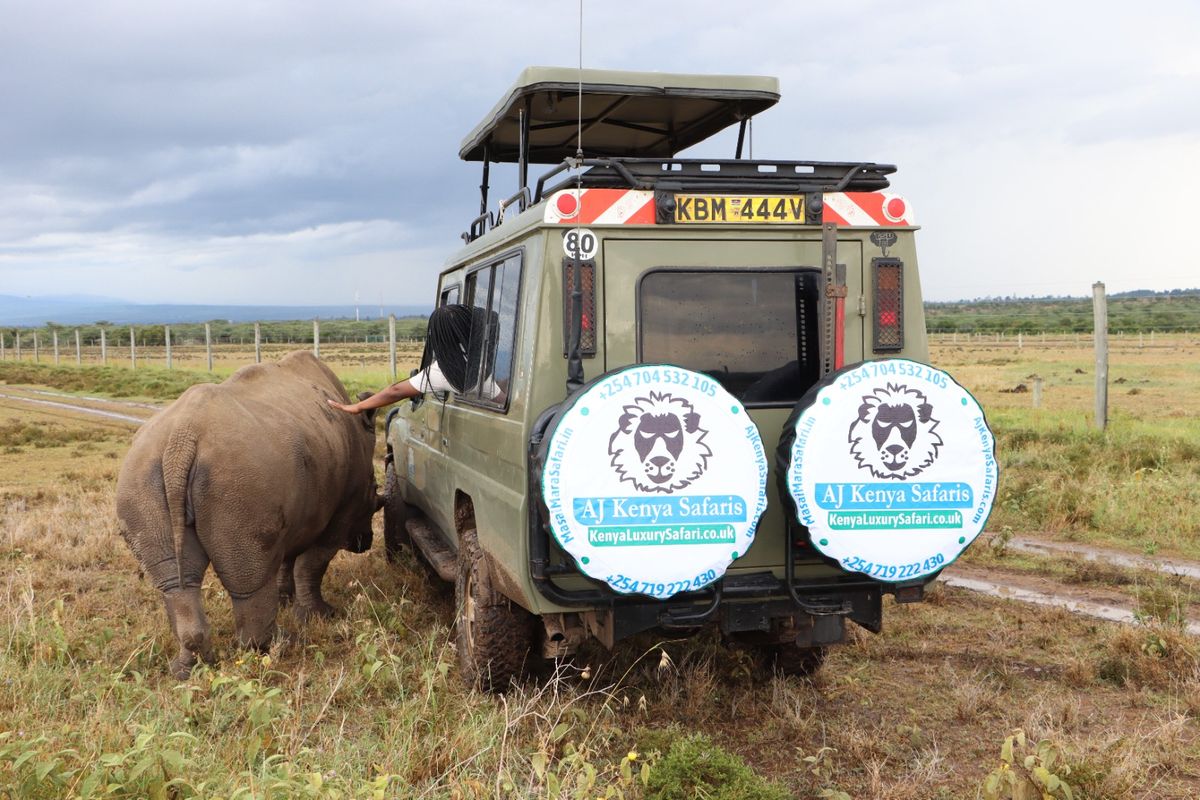
When you look at what drives Kenya’s economic growth, hospitality and tourism always come up. At the centre of this multi-billion-shilling industry is the Masai Mara, a place that has grown well beyond its role as a wildlife reserve into one of the most important sources of income for both Narok County and the national exchequer.
With global travel back on its feet and wealthy eco-tourists spending more than ever, the Mara is a useful case study in how natural capital can be turned into sustainable economic development, community income and foreign exchange.
The Billion-Shilling Migration
The tourism calendar is largely set by the annual Great Migration. Between July and October, the reserve sees its biggest influx of international and domestic visitors. The spectacle of more than a million wildebeest and zebras crossing the Mara River from the neighbouring Serengeti ecosystem sends ripples through the entire East African supply chain.
Airlines, tour operators, farm suppliers and luxury hospitality brands all record their best quarter during this window. Occupancy in premium lodges and tented camps often hits 100 percent, and nightly rates climb to match the demand. The money the Mara makes in these four months carries operators through the leaner ones and generates the tax revenues that fund national infrastructure.
From Conservation to Commercial Success
Today’s commercial success is tied closely to the region’s past. The Mara did not go from an unregulated wilderness to a structured, revenue-generating reserve overnight. The history of the region shows how colonial-era hunting grounds were gradually converted into protected zones built around photographic tourism and ecological preservation.
That pivot is now the foundation of the region’s value. By focusing on low-impact, high-yield tourism, stakeholders have kept the Masai Mara a premium global brand. The private conservancies bordering the main reserve have taken the model a step further. They lease land directly from Maasai landowners, giving local families a guaranteed monthly income whether tourist numbers rise or fall, and in doing so tie conservation directly to poverty reduction.
The Digital Frontier and Market Access
As travel booking moves online, the way the Masai Mara is marketed and sold is shifting with it. A sector that once depended on overseas travel agents is opening up through digital platforms.
Today’s travellers do their own research, skip the intermediaries and look for direct, first-hand information. International aggregators still hold plenty of market share, but local digital infrastructure is catching up. Independent directories and information sites such as masaimara.co.ke have become useful stops for independent travellers looking for clear answers on park fees, gate access and seasonal trends. This shift gives smaller, Kenyan-owned camps a chance to compete for visibility alongside multinational hotel chains, and keeps more of every tourism dollar circulating within the Kenyan economy.
Protecting the Asset: The Future of the Masai Mara
For all its strong performance, the Masai Mara faces real business risks. Over-tourism in the main reserve, erratic weather driven by climate change and human-wildlife conflict all threaten to erode the value of the asset.
If the Mara is to remain Africa’s leading safari destination, and a dependable contributor to Kenya’s GDP, future investment has to prioritise sustainability. The Narok County Government and private operators increasingly accept the need for stricter spatial planning, a shift to renewable energy in lodges and enforced carrying capacities to prevent degradation.
Conservation is no longer a corporate social responsibility line item; it is a basic operating requirement. Keeping the Mara’s ecosystem intact is the only way to secure the region’s financial returns for the next fifty years.
The Masai Mara is much more than a scenic backdrop for holidaymakers. It is a vital organ of Kenya’s economy. By balancing aggressive tourism marketing with disciplined conservation economics, Kenya can keep the Masai Mara at the top of the global safari market. For investors, policymakers and local communities alike, the message is the same: protecting the Mara is the ultimate blue-chip investment.
 Black Hot Fire Network Team