
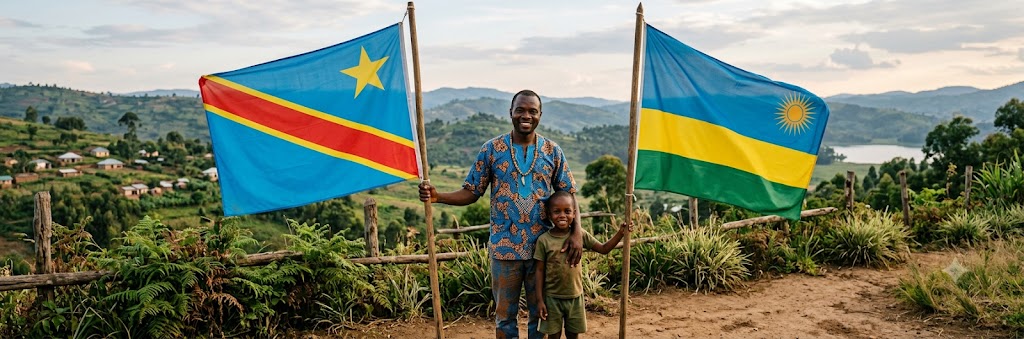
The ongoing humanitarian crisis in the eastern Democratic Republic of Congo (DRC) is frequently analyzed through the lens of mineral wealth and regional proxies. However, at its core lies a devastating, unresolved crisis of identity and citizenship. The Banyamulenge, a pastoralist community of Tutsi heritage living primarily in the High Plateaus of South Kivu, find themselves trapped in a perilous state of limbo belonging structurally to both the DRC and Rwanda, yet fully recognized by neither.
Historically rooted in the region since before colonial borders were drawn, the Banyamulenge have been systematically denied stable nationality. In the DRC, they are frequently demonized as “Rwandaphones,” foreign invaders, and eternal outsiders. This dangerous rhetoric fuels state-sanctioned discrimination and violent local animosity. Conversely, while Rwanda has historically leveraged its ethnic kinship with the community for geopolitical influence, it does not grant them automatic citizenship, leaving thousands languishing in refugee camps or marginalized within regional politics. This double rejection has effectively rendered the Banyamulenge a split, stateless people, exposed to existential threats on all sides.
This systemic denial of identity directly fuels the volatile matrix of eastern Congo’s armed conflict. Because the Congolese state fails to protect them, the Banyamulenge have formed self-defense militias, most notably the Twirwaneho. However, this desperate bid for survival has deeply entangled them in the broader war. Rebel coalitions, such as the Rwandan-backed March 23 Movement (M23) and the Alliance Fleuve Congo (AFC), exploit the community’s vulnerability, attempting to absorb local Banyamulenge factions into their ranks to legitimize their operations in South Kivu.
Consequently, rival local militias, operating alongside the Congolese army under the nationalist Wazalendo banner, use this entanglement to justify collective punishment against the entire community. The fallout is catastrophic. In areas like Minembwe, Banyamulenge civilians face targeted drone strikes, heavy artillery, and economic blockades. Hundreds of villages have been razed, and their vital cattle-based livelihoods have been systematically decimated.
The plight of the Banyamulenge proves that military interventions cannot bring lasting peace to the Great Lakes region without first resolving the fundamental question of land, identity, and citizenship. Until both Kinshasa and Kigali dismantle the politics of exclusion, this stateless community will remain the tragic epicenter of an endless regional war.