

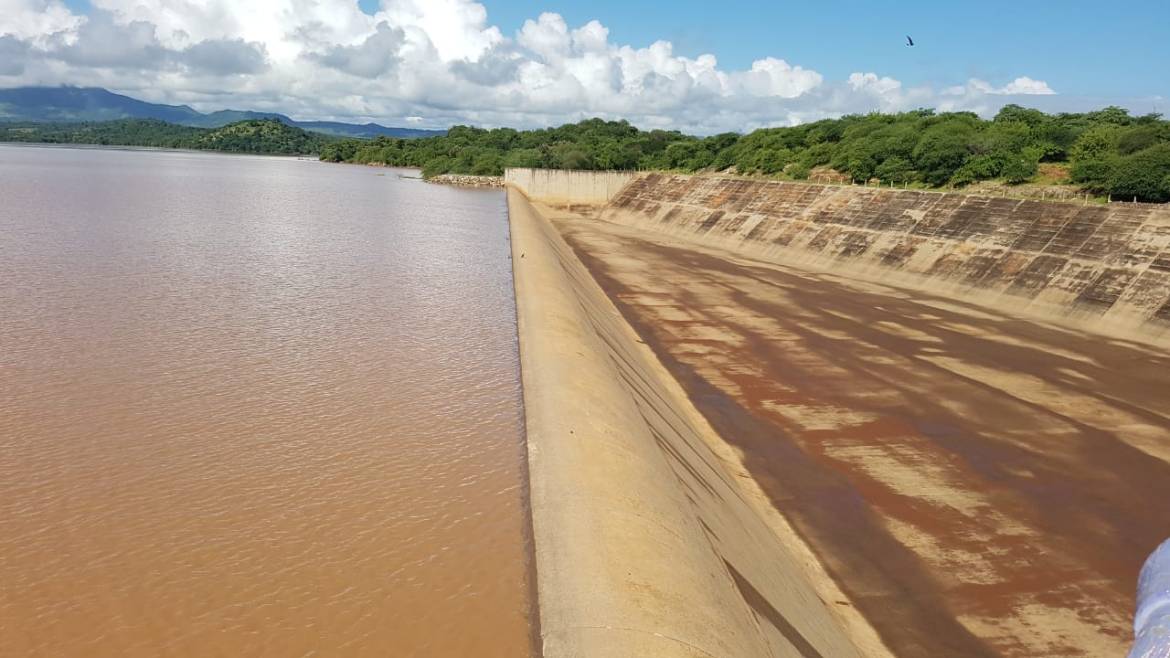
- Kenya’s existing hydropower plants face a projected decline in hydrological potential of up to 10% by midcentury compared with the 1971 to 2010 baseline.
- The outlook differs sharply by climate scenario: under a below 2°C pathway, hydropower potential is projected to recover and strengthen in the second half of the century, while an above 3°C pathway points to a much more challenging operating environment.
- The findings underline the need for Kenyan power sector planners to treat climate resilience, water management and generation diversification as central parts of long term electricity planning.
Kenya’s operating hydropower fleet is projected to experience a reduction in hydrological potential load factor of up to 10% between 2021 and 2060, according to the International Energy Agency’s National Climate Resilience Assessment for Kenya. The measure reflects the load factor that existing plants could achieve based on nameplate capacity and rated discharge flow, before accounting for competing water uses.
The assessment compares future performance with a baseline period from 1971 to 2010. It shows that the scale of the impact depends heavily on the global warming pathway followed through 2100, with separate projections for a below 2°C scenario and an above 3°C scenario.
In the below 2°C scenario, Kenya’s hydropower potential is expected to improve in the later decades of the century. IEA analysis of African hydropower indicates that Nile basin countries, including Kenya, could see capacity factors rise by more than 2% on average between 2060 and 2099, with Kenya potentially recording an increase of almost 3%.
The above 3°C scenario presents a materially different picture. Across Nile basin countries, hydropower capacity factors could increase by more than 7% in the final 40 years of the century, while Kenya’s capacity factors are projected to rise by more than 12%. However, the IEA notes that higher warming scenarios are also associated with stronger fluctuations in hydropower performance, increasing operational and planning risk.
For Kenya, where hydropower remains an important source of electricity, the results highlight the value of incorporating climate scenarios into reservoir operation, plant refurbishment, grid expansion and investment decisions. The IEA’s wider African assessment covered 64 plants across 13 countries and more than 18 000 MW of installed capacity, representing about 80% of the installed hydropower capacity in those markets.
Author: Bryan Groenendaal