
Just over 30 years after the end of apartheid, South Africa again finds its reputation being dragged through the mud amid accusations of xenophobia and racism.
But this time the violence and hatred are being directed by black Africans against other black Africans.
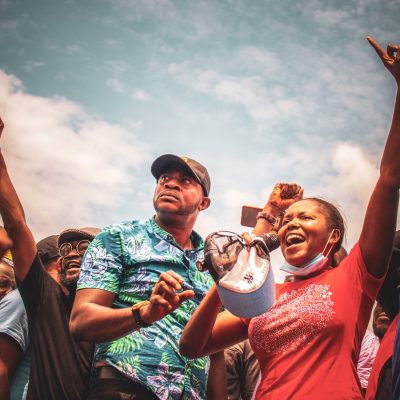
The March and March movement – an anti-immigration campaign led by radio presenter and influencer Jacinta NgobeseZuma (not related to former president Jacob Zuma) – has exploited government failure to prevent businesses, often in the hospitality and construction sectors, from employing undocumented migrants from other African countries and paying them well below the minimum wage of R30 ($1.82, €1.60) per hour.
Anti-migrant protests have turned violent and deadly. Dozens of Africans from the likes of Mozambique, Malawi, Ghana and Ethiopia are reported to have been killed by gangs of protestors.
March and March has set a 30 June deadline for all undocumented migrants to leave South Africa. And though president Cyril Ramaphosa’s government has rejected the deadline and violence as “reprehensible acts of vigilantism” which “risk tearing apart our relationship with the continent and the world,” ministers are struggling to keep control of what has become a toxic and threatening environment.
Mass evacuations
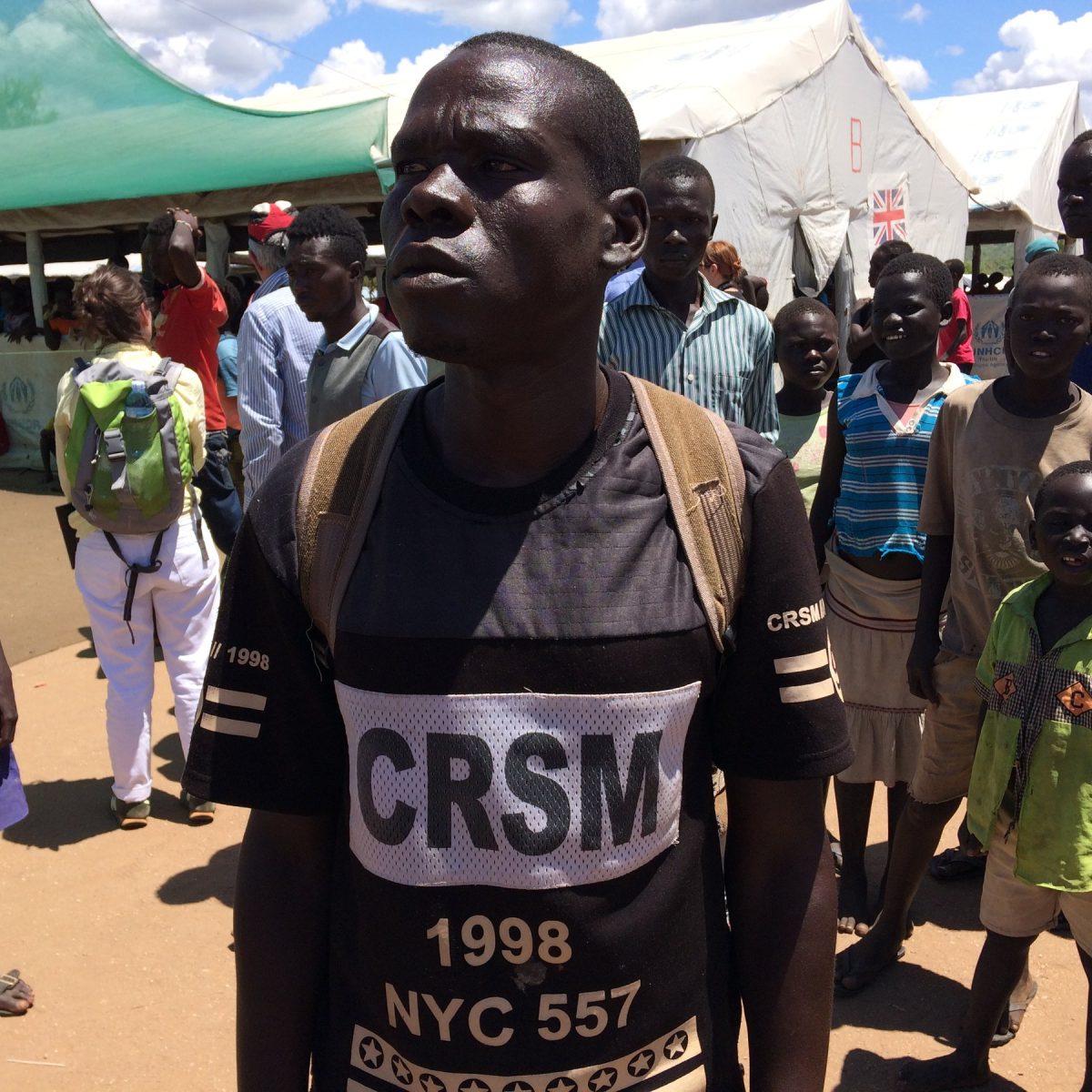
Thousands of people have already been evacuated by the likes of Ghana, Kenya, Nigeria, Mozambique and Malawi.
That has left South African ministers scrambling to reassure migrants and other African governments that they have not closed their border to the rest of the continent.
In the meantime, lasting damage has been done.
South Africa’s football team has been jeered by other African fans at the World Cup in North America, a break from the pan-African solidarity that you normally see at the big sporting extravaganzas.
“They say we shouldn’t call it xenophobia. I don’t know what else you can call it,” Ghana’s president John Mahama told the Chatham House thinktank in London earlier this month.
Sound familiar? The rhetoric, the racism and the exploitation of legitimate grievances among low paid and unemployed South Africans that foreign labour is being used to undercut their wages, sounds very like what Europe has experienced over the past decade and a half.
However, the migration crisis in South Africa is also a reminder that the vast majority of African migrants, refugees and asylum seekers are not bound for Europe but stay within the African continent.
Like many European governments, Ramaphosa’s coalition, led by the African National Congress, has repeatedly promised and failed to tackle undocumented labour. Combined with years of sluggish economic performance, this has created a breeding ground for xenophobia and dog-whistle racism.
March and March sees the 30 June deadline as an opportunity to catapult its leaders into national politics, much as the far and nationalist right has done across Europe.
It would be comforting to think that Europe’s leaders – having watched this playbook destroy the voter base of many of the continent’s political parties – would be well placed to help Ramaphosa avoid making the same mistakes.
But the EU appears to have learned little. It is determined to ‘offshore’ its migration control by paying for return hubs to be set up in Africa and elsewhere: Rwanda, Uganda and Uzbekistan have been touted as potential hosts of centres where asylum applications will be processed on behalf of European governments.
Return hubs might slightly reduce migrant numbers in Europe, but there is no evidence that they will deter small boats crossing the Mediterranean Sea. Nor do they address the root causes of migration and asylum. At best they are expensive acts of symbolism.