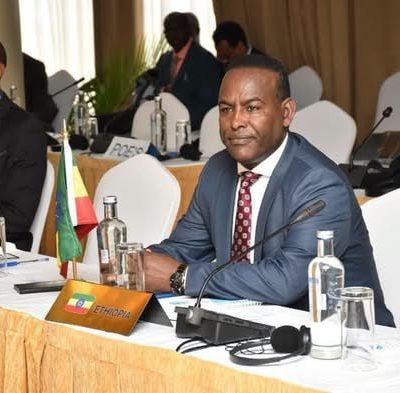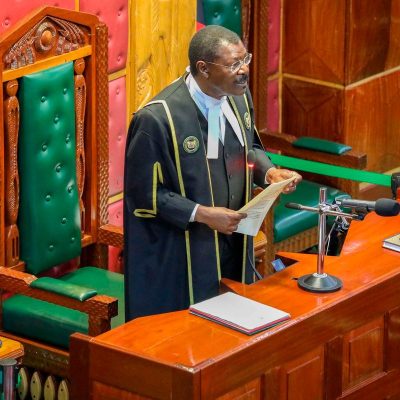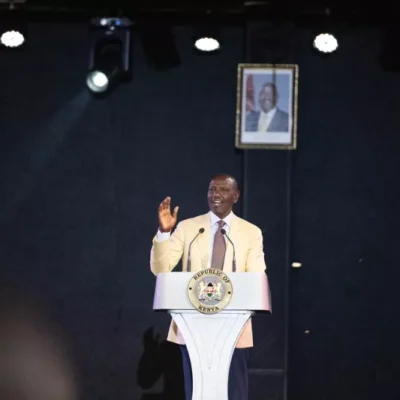

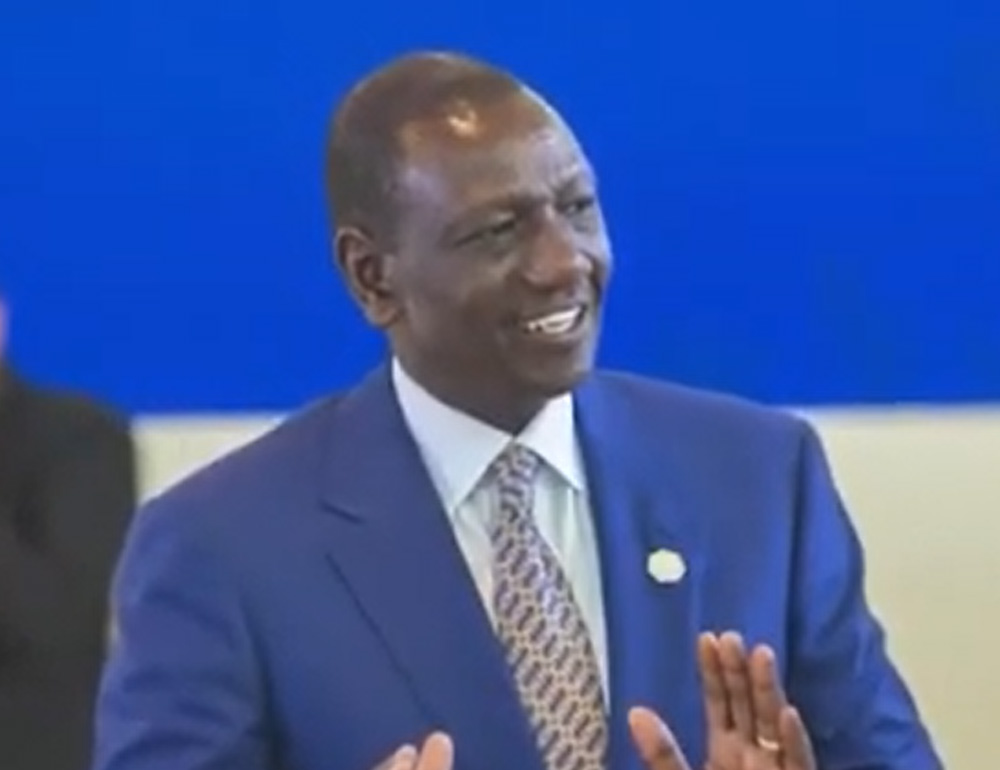
That shift has won Ruto growing attention in international policy circles. Some view him as one of Africa’s more forceful advocates of market-led transformation and private-sector driven growth.
But the diplomatic rise carries domestic tension.
At home, the economic mood remains difficult. Cost of living pressures persist. Jobs remain scarce. Public frustration simmers.
Opposition leaders, led by former Deputy President Rigathi Gachagua, have criticised the administration over taxation, governance and economic strain.
Yet Ruto has maintained focus on external engagement and long-term structural reforms.
Supporters argue the groundwork is already visible.
Kuria East MP Marwa Kitayama says the government has prioritised infrastructure expansion and social investment.
“There has been heavy investment in roads, water projects, market development and electricity connectivity, alongside the Affordable Housing Programme,” he said.
The administration also points to the NYOTA programme, designed to support youth through skills training, enterprise financing and employment pathways.
Health sector reforms under the Social Health Authority (SHA) are also underway. The aim is universal health coverage and stronger primary care systems, despite early implementation challenges.
Interior Principal Secretary Dr Raymond Omollo says Kenya’s visa liberalisation policy is part of a wider economic diplomacy push.
Expanded visa-free access for African countries, he says, is designed to boost trade, tourism and regional integration.
It also reinforces Kenya’s ambition to serve as a commercial gateway to East and Central Africa.
Analysts say Ruto is attempting a dual-track presidency. One domestic. One global. Both demanding attention. Both politically sensitive.
Prof. Ongati, Vice Chancellor of Maseno University, says the strategy has raised Kenya’s international profile.
“Whether one agrees with his policies or not, Ruto’s growing visibility reflects a leader determined to secure a larger role for Kenya in global affairs,” he said.
Still, caution remains.
International visibility does not automatically translate into domestic relief.
The central question persists: does diplomatic influence convert into jobs, investment and improved livelihoods?
At the G7 table, Ruto will sit alongside leaders of the United States, United Kingdom, Italy, Germany, France, Canada and Japan, alongside senior European Union officials. The company underscores Kenya’s rising diplomatic weight.
It also raises expectations.
For Kenya, the test is no longer access. It is delivery.
Ruto’s challenge is therefore stark. Convert global recognition into domestic gain. Turn diplomatic visibility into economic results. And ensure that Kenya’s louder voice in the world is matched by stronger livelihoods at home.
If that balance holds, Kenya’s ascent may prove more than symbolic. It may define a new phase in its global identity.