
Presidential election safeguards, retirement reforms, and a ban on TikTok on government devices may not seem to have much in common, except for one potentially consequential detail: Congress enacted them all through a spending package that a federal appeals court says the House passed without a constitutional quorum.
Now, other major laws contained in that package could be vulnerable to challenges based on the same constitutional argument.
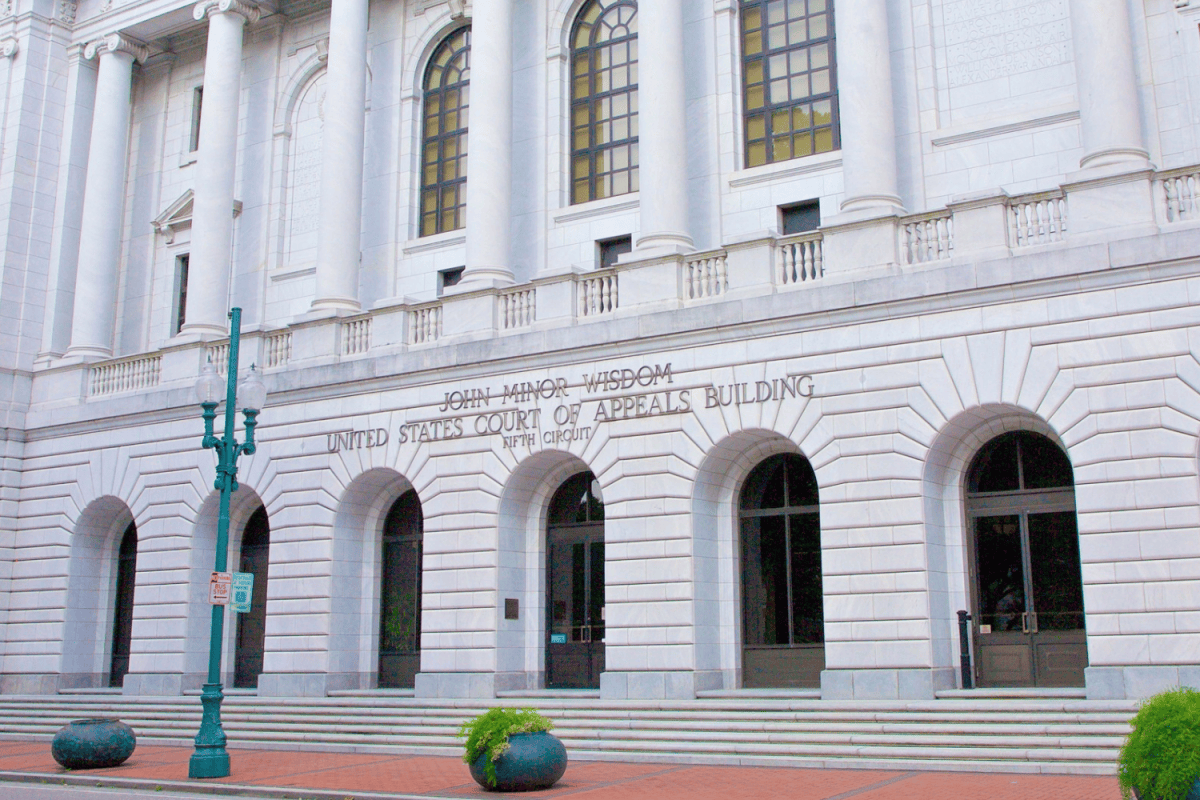
On November 20, the U.S. Court of Appeals for the Fifth Circuit ruled 9-8 that the House violated the Constitution’s Quorum Clause when it passed the 2023 spending package because fewer than a majority of representatives were physically present. Of the 431 votes recorded, 205 were cast by members in person and 226 were cast by proxy.
Read More on News
The dispute arose after Texas challenged the Pregnant Workers Fairness Act, arguing that it could not be enforced against the state because the legislation containing it had not been constitutionally enacted. The court upheld an injunction preventing the federal government from enforcing the law against Texas, but did not invalidate the entire spending package.

Other Laws That Could Be at Risk
Four of the major policy measures enacted through the omnibus illustrate how the ruling’s reasoning could extend well beyond protections for pregnant workers.
None of the four has been invalidated, but all share the same potentially significant feature. They became law through the legislation whose House passage the Fifth Circuit found constitutionally defective.
Electoral Count Reform and Presidential Transition Improvement Act
This law rewrote the process by which states submit electoral votes and how Congress counts electoral votes following a presidential election. It also clarified the vice president’s limited role and raised the threshold for congressional objections to electoral votes. Congress enacted the reforms following the efforts to overturn the results of the 2020 presidential election and the January 6, 2021, attack on the Capitol.
SECURE 2.0 Act
This was part of a large package of changes intended to expand retirement savings and revise the rules governing employer retirement plans, including 401(k)s and 403(b)s. The provisions affect employers, retirement-plan administrators and millions of Americans saving through workplace retirement plans.
No TikTok on Government Devices Act
This act requires TikTok to be removed from most federal government devices and IT systems, with limited exceptions for law enforcement, national security activities and authorized security research. The measure was enacted amid concerns about TikTok and its Chinese parent company, ByteDance.
PUMP for Nursing Mothers Act
This act expanded federal workplace protections for employees who need to express breast milk. It extended protections to salaried employees and other workers previously excluded, required employers to provide reasonable break time and private space other than a bathroom, and expanded workers’ ability to seek remedies for violations.
For now, all four measures remain in force. The Fifth Circuit’s decision did not invalidate the entire 2023 omnibus, and a party seeking to challenge another provision would have to bring a separate case and establish grounds for relief.
The closely divided ruling could also face further review, with advocates behind the Pregnant Workers Fairness Act saying they expect the case to reach the Supreme Court.
Contact Newsweek editors for this story: Robert Greenall and Matthew Cannon