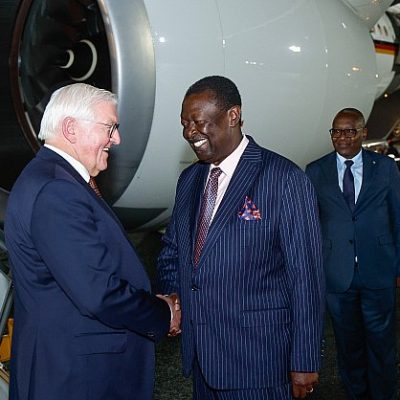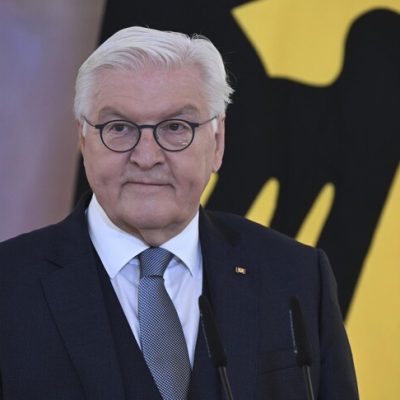

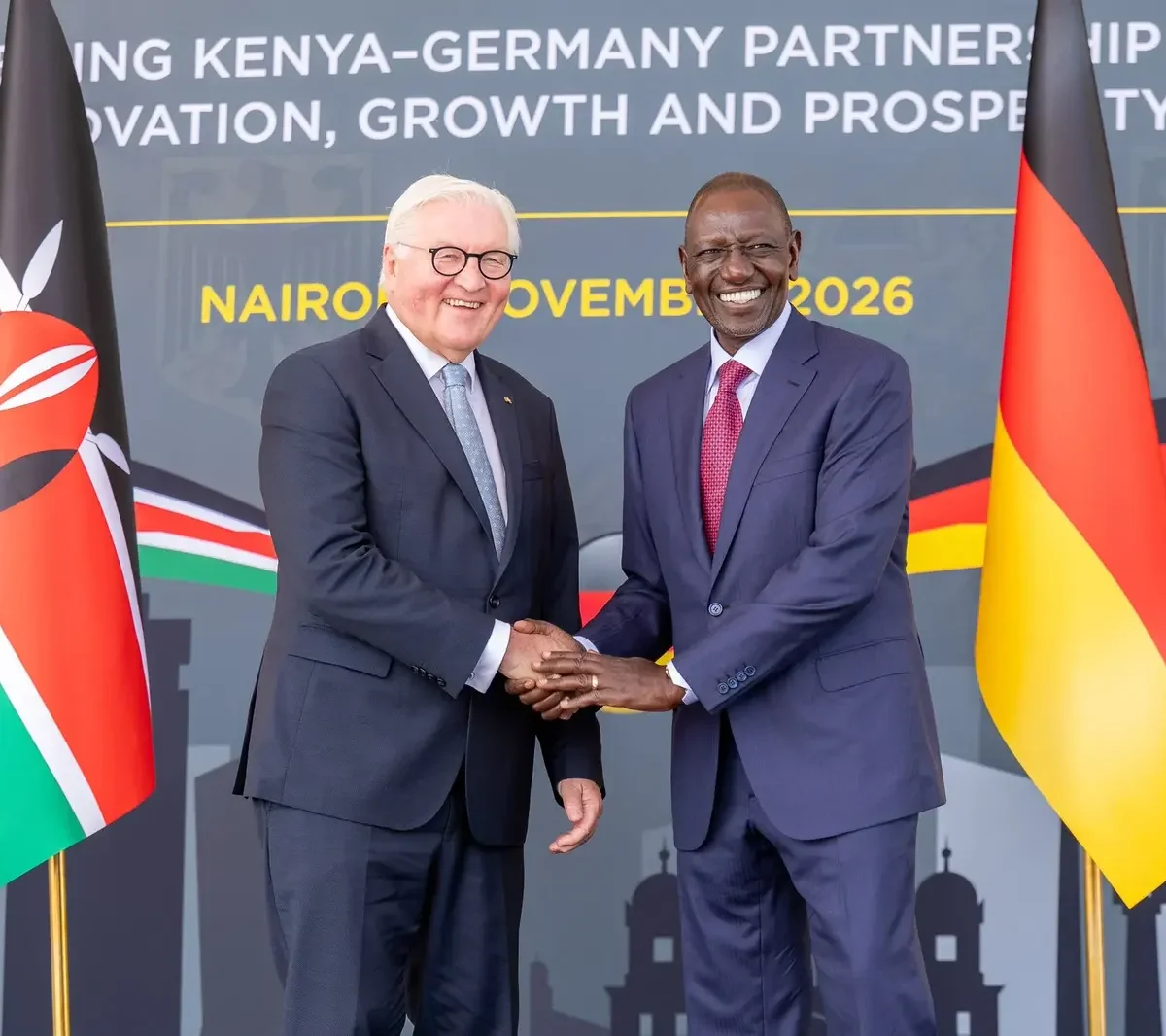
German President Frank-Walter Steinmeier has pledged to strengthen economic, diplomatic and security cooperation with Kenya during his final African tour before leaving office, positioning Nairobi as an increasingly important partner in Germany’s African investment strategy. During bilateral talks with President William Ruto on November 25, 2026, the leaders prioritised manufacturing, renewable energy, infrastructure, digital technology and skilled labour migration. Bilateral trade between Kenya and Germany increased by 23% in 2025 to approximately €590 million, while Germany has committed €52.5 million, equivalent to approximately KES 7.8 billion, in development cooperation for 2026–2028. The expanding relationship reflects Kenya’s efforts to attract foreign investment, diversify export markets and create employment opportunities while Germany seeks new commercial partnerships, skilled workers and greater economic engagement across Africa.
Key Overview
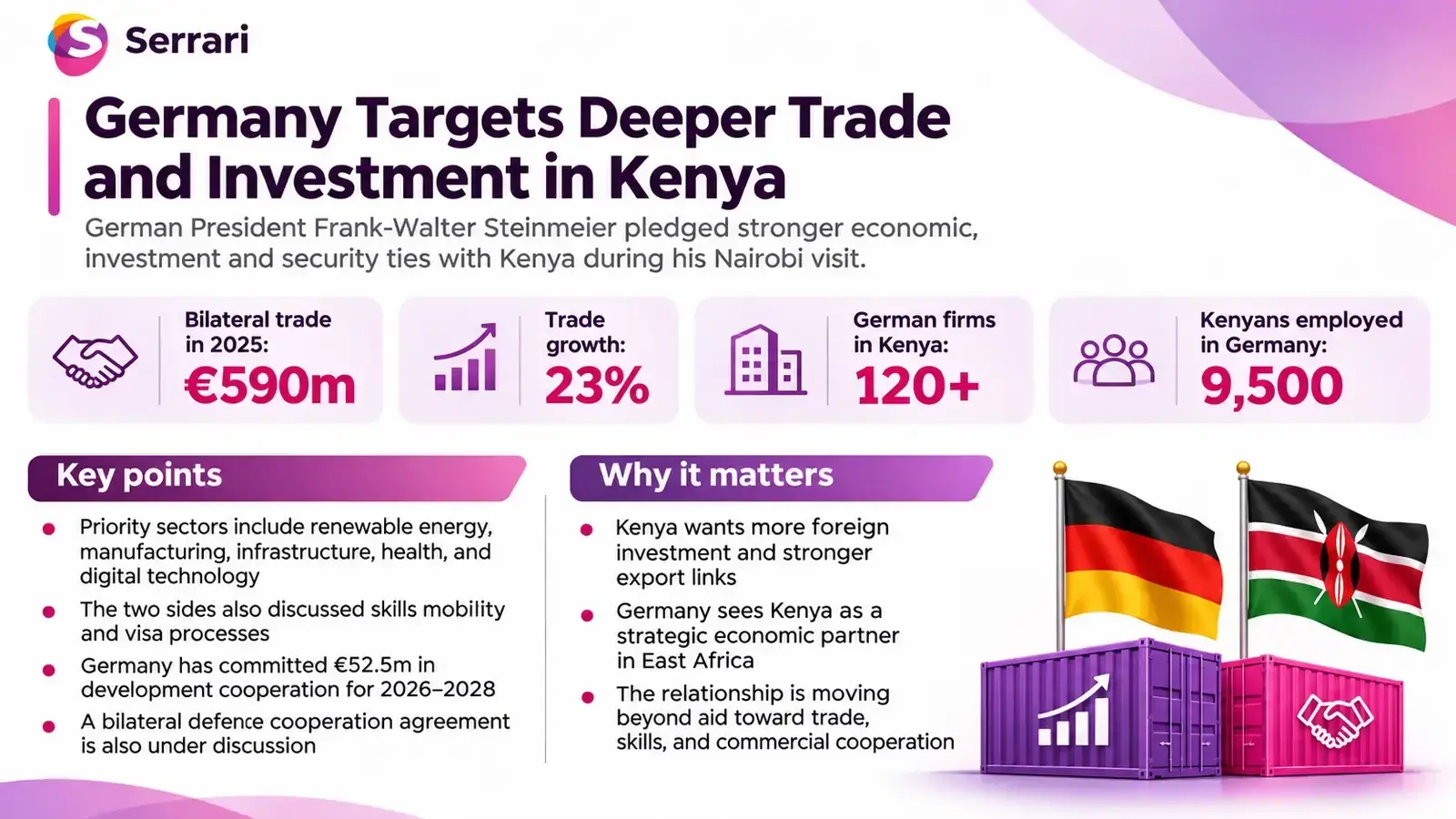
- German President Frank-Walter Steinmeier pledged to deepen trade, investment and security cooperation with Kenya during bilateral talks on November 25, 2026.
- Kenya–Germany bilateral trade increased by 23% in 2025 to approximately €590 million.
- Germany has committed €52.5 million (approximately KES 7.8 billion) in development cooperation for the 2026–2028 period.
- More than 120 German companies operate in Kenya, according to President William Ruto.
- The number of Kenyans employed in Germany increased from 7,000 in March 2024 to 9,500 in March 2026, representing growth of approximately 35.7%.
- Renewable energy, manufacturing, agro-processing, healthcare, infrastructure and digital technology have been identified as priority investment sectors.
- Both countries are pursuing streamlined visa procedures, recognition of professional qualifications and stronger labour mobility arrangements.
- Steinmeier’s visit concludes a five-day African tour covering Côte d’Ivoire, Ghana and Kenya, reflecting Germany’s broader efforts to strengthen economic and strategic partnerships across Africa.
Germany Strengthens Its Economic Partnership With Kenya
Germany is seeking to expand its economic presence in Kenya as Europe’s largest economy reassesses its international partnerships and identifies new opportunities for investment, trade and technological cooperation.
During his November 25 meeting with President William Ruto at State House in Nairobi, German President Frank-Walter Steinmeier reaffirmed Germany’s interest in supporting Kenya’s economic development through investment, technological expertise and private-sector partnerships.
The official bilateral visit forms part of a longstanding relationship that increasingly encompasses commercial investment, climate resilience, vocational training, digital transformation and sustainable industrial development.
Steinmeier’s decision to travel with a German business delegation highlights the economic importance of the visit beyond conventional diplomatic engagement.
For Germany, Kenya offers an established commercial environment, a relatively diversified economy and access to surrounding African markets.
For Kenya, stronger German investment could provide additional capital, industrial expertise and technology at a time when the government is seeking to expand economic activity without relying excessively on public borrowing.
The relationship is also evolving beyond its traditional emphasis on development assistance.
Both countries increasingly recognise that commercially sustainable investments can generate longer-term economic benefits through employment, industrial production, exports and private-sector growth.
However, Steinmeier’s commitment does not constitute a confirmed allocation of new private investment capital. Individual companies will ultimately determine whether specific projects meet their commercial and financial requirements.
Bilateral Trade Reaches €590 Million as Kenya Seeks Greater Market Access
Economic engagement between Kenya and Germany has already demonstrated considerable momentum.
According to bilateral trade and investment disclosures, commerce between the two countries increased by 23% in 2025 to approximately €590 million.
The increase suggests that the relationship has room to expand further, particularly if Kenya develops additional export-oriented industries and strengthens its integration into European supply chains.
Kenya traditionally exports agricultural commodities, horticultural products and other goods to European markets, while Germany possesses advanced manufacturing capabilities across machinery, industrial equipment, chemicals, automotive technology and engineering.
The difference in economic specialisation creates opportunities for complementary trade.
However, Kenya’s long-term objective should extend beyond increasing the volume of unprocessed agricultural exports while importing higher-value manufactured products.
Attracting German manufacturers and agro-processing businesses could enable Kenya to retain a larger proportion of the economic value generated from its domestic resources.
For example, investments in food processing, packaging, agricultural machinery and industrial technology could strengthen the competitiveness of Kenyan businesses while creating additional employment.
The EU–Kenya Economic Partnership Agreement provides an important foundation for this strategy by granting Kenyan exports duty-free and quota-free access to the European Union, subject to applicable rules of origin and regulatory requirements.
The agreement has been in force since July 2024 and provides greater commercial certainty for businesses seeking to establish long-term trading relationships.
German companies establishing production facilities in Kenya could potentially benefit from this framework if their products satisfy the necessary eligibility conditions.
Nevertheless, preferential market access alone cannot guarantee export competitiveness. Kenyan producers must also address production costs, logistics efficiency, product quality and compliance with European standards.
Why German Companies Are Increasingly Interested in Kenya
President Ruto indicated that more than 120 German companies currently operate in Kenya, demonstrating an established commercial relationship that could support further investment.
According to an assessment of bilateral economic relations, several German companies use Kenya as a regional base for serving wider East African markets.
Nairobi’s concentration of financial institutions, multinational businesses, logistics providers and technology companies makes it an attractive location for enterprises seeking regional expansion.
Kenya also provides access to markets participating in the East African Community and the African Continental Free Trade Area, subject to their respective trade arrangements.
For German businesses, establishing regional operations could offer opportunities to diversify revenues beyond mature European markets and participate in Africa’s expanding consumer economy.
For Kenya, the potential benefits include employment creation, technological transfer, increased tax revenues and stronger domestic supply chains.
However, attracting multinational companies requires more than diplomatic assurances.
Investors assess electricity costs, tax predictability, regulatory stability, infrastructure quality, foreign exchange risks and the ability to repatriate earnings.
Kenya’s success in translating German commercial interest into actual investment will therefore depend on its ability to maintain competitive operating conditions.
The broader opportunity is to establish Kenya as a production and distribution centre for German companies serving African markets, rather than simply a destination for imported European goods.
Context is everything. Stay ahead of shifting trends with today’s market updates, and uncover emerging opportunities using the Serrari Group Market Index and Marketplace. Then, take control of your own financial future by exploring our Money & Life Reset Transformation Blueprint ™ to build stronger habits, create better systems, and design a path toward lasting wealth.
Renewable Energy Emerges as a Priority Investment Sector
Renewable energy featured prominently in discussions between the two presidents, reflecting an area where Kenya’s natural resource advantages align with Germany’s technological capabilities.
Germany and Kenya established a Climate and Development Partnership in November 2022, creating a framework for cooperation on emissions reduction, renewable energy development and climate adaptation.
According to existing energy cooperation programmes, the partnership supports geothermal, solar, wind and hydropower development alongside efforts to strengthen the resilience of Kenya’s agricultural systems.
Kenya’s substantial renewable electricity generation capacity creates opportunities for industries seeking lower-carbon production environments.
German companies could potentially contribute engineering expertise, industrial equipment, project financing and grid management technologies.
One emerging opportunity involves the production of green hydrogen using renewable electricity.
The green industrialisation partnership includes plans to explore hydrogen production for fertiliser manufacturing, potentially reducing Kenya’s dependence on imported fossil fuel-based fertilisers.
Such investments could connect renewable energy development with agricultural productivity, manufacturing and import substitution.
However, green hydrogen projects remain capital intensive and require reliable electricity supplies, sufficient water resources, competitive production costs and committed customers.
Kenya must also ensure that industrial electricity demand does not compromise affordable and reliable energy access for households and existing businesses.
The economic significance of German renewable energy investment therefore extends beyond expanding generation capacity. It could help establish new industries that use Kenya’s clean electricity resources to produce higher-value goods.
Germany’s KES 7.8 Billion Development Commitment Supports Economic Cooperation
Germany has committed approximately €52.5 million, equivalent to KES 7.8 billion, in development cooperation for the 2026–2028 period.
The development financing commitment reinforces earlier government-to-government negotiations held in Berlin in June 2026.
The financing provides a complementary foundation for cooperation in areas that can support longer-term economic development and private-sector participation.
Development financing can play an important role in addressing infrastructure, skills and institutional constraints that commercial investors may be unwilling to finance independently.
For example, investments in vocational education can expand the availability of technically qualified employees, while infrastructure improvements can reduce operating costs for businesses.
These interventions could improve the commercial viability of subsequent private-sector investments.
However, development cooperation funding must be distinguished from foreign direct investment. The KES 7.8 billion commitment does not represent the value of new German corporate projects announced during Steinmeier’s visit.
Its economic impact will depend on project selection, implementation efficiency and whether the supported programmes successfully attract additional commercial investment.
For Kenya, the strategic objective should be to leverage development partnerships to mobilise sustainable private capital rather than establish continuing dependence on external assistance.
Skilled Labour Migration Becomes a Major Economic Opportunity
Labour mobility has emerged as another important component of the Kenya–Germany relationship.
According to figures presented by President Ruto, the number of Kenyans employed in Germany increased from approximately 7,000 in March 2024 to 9,500 in March 2026.
The increase represents approximately 35.7% growth over two years and coincides with efforts to establish more structured employment pathways between the two countries.
Germany and Kenya signed a Comprehensive Migration and Mobility Partnership on September 13, 2024, which entered into force on October 18 of the same year.
The bilateral labour mobility agreement seeks to facilitate skilled migration while supporting cooperation on employment-related requirements.
The agreement addresses contrasting demographic and economic challenges.
Germany faces an ageing population and shortages of qualified workers across several occupations, while Kenya must generate sufficient employment opportunities for its growing working-age population.
The partnership could provide opportunities for Kenyan professionals and vocationally trained workers to access international employment, acquire technical experience and increase their earnings.
Higher overseas employment could also support Kenya’s remittance inflows, strengthening household purchasing power and foreign currency availability.
However, employment abroad is not automatically guaranteed by the agreement.
Applicants must meet relevant professional qualifications, language requirements, immigration conditions and employer expectations.
In September 2026, Kenya’s State Department for Diaspora Affairs announced implementation agreements with German institutions intended to translate the migration partnership into practical opportunities for qualified workers.
Both governments must also address recruitment transparency, employment protections and the potential loss of skilled professionals from sectors experiencing domestic labour shortages.
The partnership will deliver more sustainable benefits if overseas employment opportunities are accompanied by expanded domestic training capacity and mechanisms for transferring skills back to Kenya.
Security Cooperation Reflects Kenya’s Growing Strategic Importance
Steinmeier’s visit also highlighted Kenya’s strategic role in regional security and international diplomacy.
During the November 25 discussions, the German president acknowledged Kenya’s contribution to peace and stability in the Horn of Africa and commended Nairobi’s position opposing Russia’s war against Ukraine.
The bilateral diplomatic discussions also covered efforts to conclude a defence cooperation agreement and strengthen broader security engagement.
For Germany, cooperation with Kenya provides an opportunity to support regional stability through an established diplomatic partner.
For Kenya, stronger international security partnerships could support institutional capacity, training and regional peacebuilding initiatives.
Security also has direct economic implications.
Regional instability can disrupt trade corridors, increase transport and insurance costs, weaken investor confidence and generate additional humanitarian financing requirements.
Strengthening stability across East Africa could consequently improve conditions for infrastructure development, cross-border commerce and private investment.
Nevertheless, the proposed defence cooperation agreement remains subject to completion, and its final terms have not been established publicly in the reporting surrounding the visit.
Germany’s African Strategy Extends Beyond Development Assistance
Steinmeier’s five-day African tour included engagements in Côte d’Ivoire and Ghana before concluding in Kenya.
His participation in the sixth German-African Business Summit in Accra followed the fifth edition, which Nairobi hosted in December 2024.
The regional business engagement reflects Germany’s continuing effort to strengthen commercial relationships across the continent.
African economies represent potential growth markets for European companies seeking additional customers, production locations and supply-chain partners.
Germany’s approach also encompasses renewable energy, industrial development, skills partnerships and regional security, demonstrating that its engagement increasingly extends beyond conventional development assistance.
For Kenya, the opportunity is to convert these strategic interests into commercially meaningful investments that create jobs, strengthen domestic industries and expand exports.
The ultimate measure of Steinmeier’s visit will not be the number of diplomatic commitments announced, but the capital invested, businesses established, employment opportunities created and trade volumes generated over subsequent years.
With bilateral trade already approaching €600 million annually, Kenya has an established foundation from which to deepen its economic relationship with Germany.
The challenge now is translating that foundation into a more productive partnership that delivers sustainable economic benefits for both countries.
Sources: Anadolu Agency / Embassy of Kenya in Berlin / Kenya Ministry of Foreign and Diaspora Affairs / German Federal Foreign Office / European Commission / German Embassy Nairobi / German Federal Ministry for Economic Cooperation and Development / The Star / German Federal Ministry of Labour and Social Affairs / State Department for Diaspora Affairs / Dawan Africa
Your financial future isn’t something you wait for—it’s something you build.
The real question is: when do you begin?
Move beyond simply staying informed.
Navigate the markets with clarity—track trends through the Serrari Group Market Index, uncover opportunities in the Serrari Marketplace, and build practical knowledge with our Curated Wealth Builder Platform.
Stay connected to what truly matters.
Get daily insights on macro trends and financial movements across Kenya, Africa, and global markets—delivered through the Serrari Newsletter.
Growth opens doors.
Advance your career through professional programs including ACCA, HESI A2, ATI TEAS 7 , HESI EXIT , NCLEX – RN and NCLEX – PN, Financial Literacy!🌟—designed to move you forward with confidence.
See where money is flowing—clearly and in real time.
Track Money Market Funds, Treasury Bills, Treasury Bonds, Green Bonds, and Fixed Deposits, alongside global and African indexes, key economic indicators, and the evolving Crypto and stablecoin landscape—all within Serrari’s Market Index.