

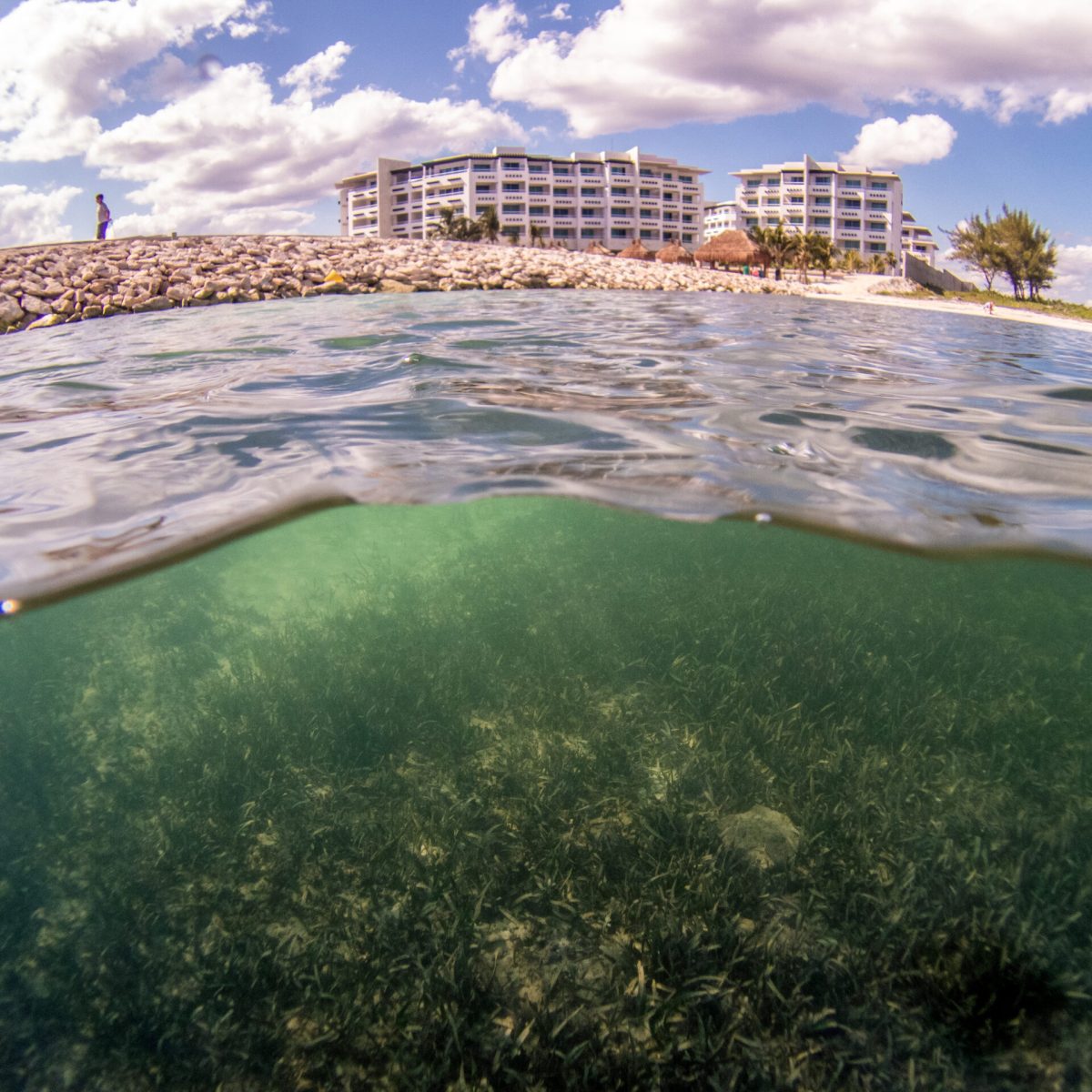
A recurring theme in the analysis is the proliferation of so-called “paper parks” – protected areas that appear in government statistics but provide little meaningful protection on the ground. The report attributes this in part to conservation tools that are developed without community involvement and subsequently go unimplemented in practice.
“Development cannot continue to be defined only through top-down policies,” said Tanthanawit. “Across the world, coastal communities are already showing the will and leadership to move development and conservation forward on their own terms. Without meaningful participation, 30×30 risks becoming just another number on paper.”
Along Senegal’s coastline, the pressures are considerable. Industrial overfishing, fishmeal and fish oil production, offshore oil and gas expansion, and pollution are placing fishing communities under growing strain.
“Senegal’s coastal communities are facing an unprecedented crisis driven by industrial overfishing, fishmeal and fish oil production, pollution, and offshore oil and gas expansion, all of which threaten our marine ecosystems, food security, and traditional livelihoods,” said Mamadou Kaly Ba, Campaigner at Greenpeace Africa. “Yet across our coastline, communities are proving that sustainable and community-led marine conservation works when local people are empowered and included in decision-making. We urgently need stronger protection for small-scale fisheries, greater recognition of community rights, and a phase out of fishmeal and fish oil production if we are to secure a just and sustainable future for Senegal’s ocean and coastal communities.”
In Sri Lanka, communities in Mannar have faced successive environmental pressures, including a shipping disaster that discharged more than 1,600 tonnes of plastic into surrounding waters. Their response has had tangible legal consequences.
“From severe environmental degradation and external development pressures to a recent catastrophic shipping disaster that dumped over 1,600 tonnes of plastic into South Asian waters, the communities in Mannar have withstood a continuous ecological onslaught,” said Anita Perera, Campaigner at Greenpeace South Asia. “Yet, through unyielding resistance, they fought their way to a landmark Presidential decree requiring local consent before any energy project can proceed. When frontline communities assert their right to self-determination, they don’t just protect biodiversity – they reshape legal frameworks.”
The report is published as the six-month countdown begins to the Convention on Biological Diversity’s COP17 in Yerevan, Armenia, where countries will for the first time formally assess progress under the Kunming-Montreal Global Biodiversity Framework.
Greenpeace is calling on governments to use that moment to redirect conservation funding towards community-led stewardship, halt destructive industrial activity in sensitive marine areas, and strengthen the rights of Indigenous and coastal communities in conservation decision-making.