
In the United States, the celebration of activists often reflects the nation’s political climate more than the impact of their work. In recent years, right-wing activists such as Charlie Kirk, founder of Turning Point USA, have gained national recognition, frequent appearances on television, and invitations to high-profile political events. Their causes—defending gun rights, opposing abortion, and pushing for conservative education reforms—receive mainstream coverage and significant funding. Even political leaders like former President Donald Trump and current Vice President J.D. Vance have amplified and celebrated these activists, framing them as defenders of “American values.”
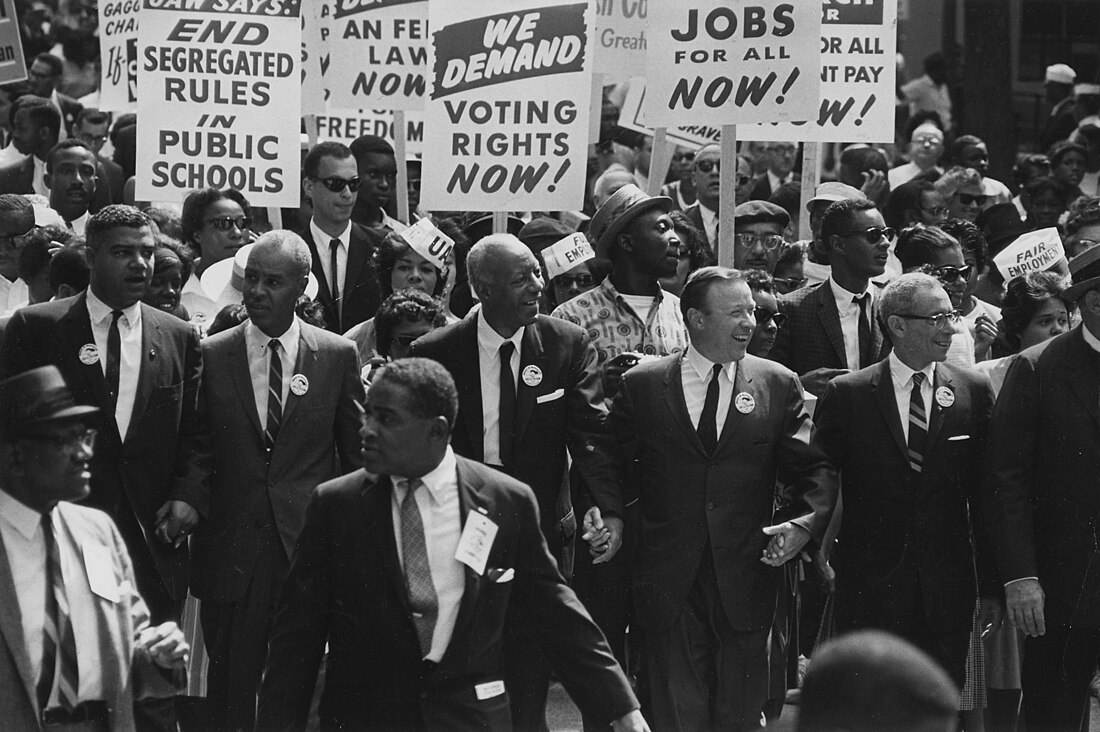
Meanwhile, Black activists who champion racial justice and equality frequently face marginalization, surveillance, and even violence. The history of Black civil rights activism is laced with tragedy. Icons like Dr. Martin Luther King Jr. and Malcolm X were assassinated for daring to challenge systemic racism and advocate for Black liberation. Fred Hampton, the charismatic leader of the Illinois chapter of the Black Panther Party, was killed in his sleep during a police raid in 1969—a state-sanctioned execution that extinguished a rising voice for Black empowerment. Medgar Evers was shot in his own driveway for working to desegregate Mississippi schools.
Today, the pattern continues. Black Lives Matter activists have been mysteriously killed or harassed since the Ferguson protests of 2014. Instead of being elevated as heroes who put their lives on the line for justice, they are often vilified in media coverage or subjected to online smear campaigns. The imbalance is striking: right-wing activists are celebrated as patriots, while Black activists are treated as threats to public order.
This disparity isn’t accidental. America has long struggled with acknowledging the legitimacy of Black political struggle. Recognizing Black activists fully would require confronting uncomfortable truths about systemic racism, police brutality, and historical oppression—issues many leaders would rather avoid.
National recognition matters because it shapes the narrative of whose struggles are worthy. If the nation can celebrate Charlie Kirk and give platforms to Trump- and Vance-endorsed conservative movements, it must also honor those who have sacrificed everything for racial equality. Justice requires not just remembrance of slain activists but also giving living Black voices visibility and protection before history repeats itself.