
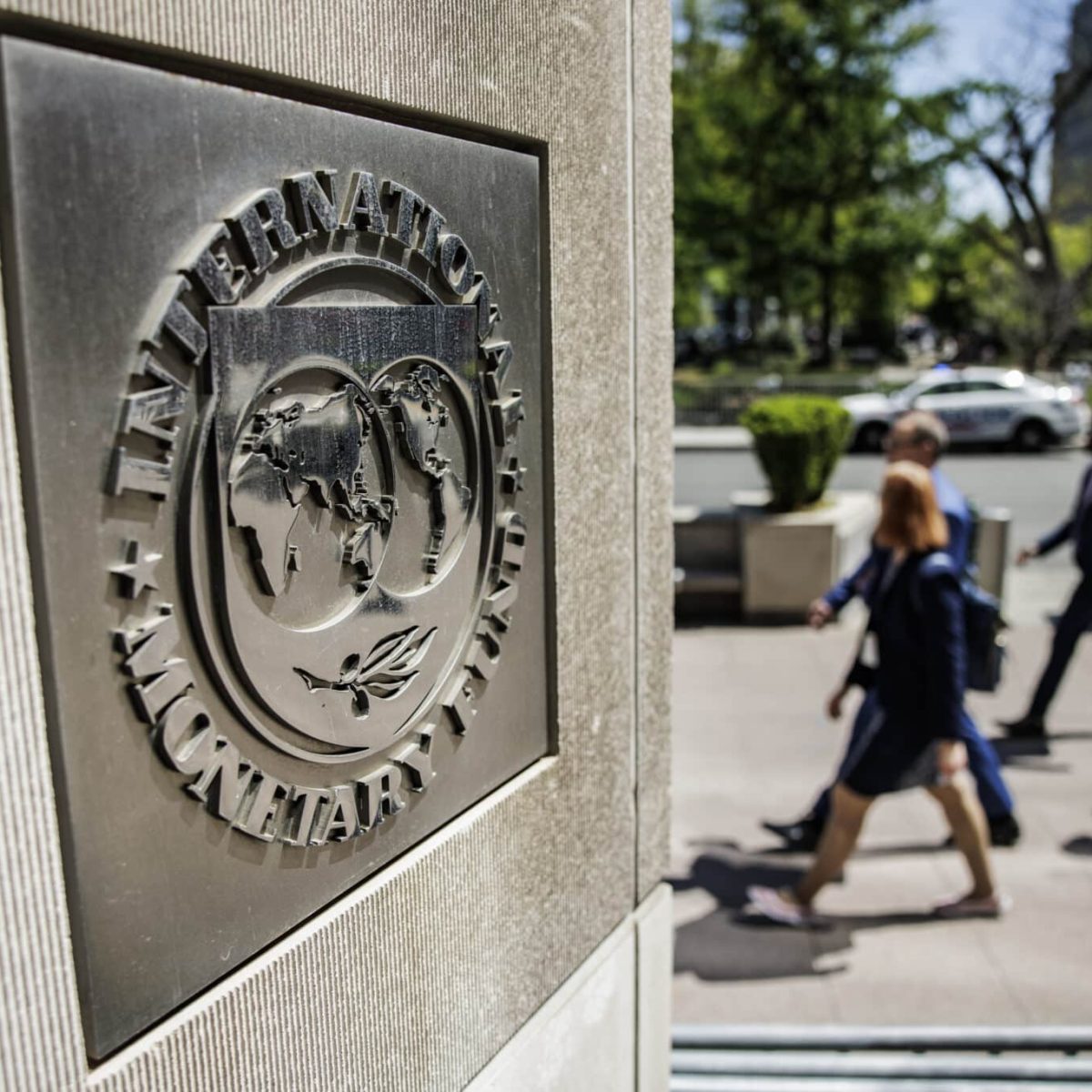
Global financial leaders are convening in Washington, D.C. this week for the International Monetary Fund (IMF) and World Bank Group Spring Meetings. The meetings are taking place against a backdrop of heightened global economic uncertainty, particularly stemming from the ongoing Iran war.
The current economic climate, characterized by rising borrowing costs, energy prices, and inflation, is placing significant strain on several emerging market nations.
Ukraine
Ukraine’s $8.1 billion program with the IMF, established in February, remains a key focus. Recent political developments in Hungary, specifically the ouster of Prime Minister Viktor Orban, are expected to facilitate the release of 90 billion euros in European Union funding to Kyiv. This funding is a prerequisite for the IMF program. However, Ukraine must also continue to implement a domestic reform agenda, including revenue generation, anti-corruption measures, and greater exchange rate flexibility.
Senegal
Senegal’s economic outlook remains uncertain due to the discovery of billions in undisclosed debt, which led to the IMF halting a $1.8 billion loan program in 2024. Discussions for a new program are underway, but resolving the debt burden will likely require substantial fiscal consolidation. JPMorgan analysts suggest that the IMF may request debt treatment if significant fiscal efforts are not made, a proposal Senegal has reportedly rejected. Negotiations are expected to continue.
Mozambique
Mozambique has been in discussions with the IMF since mid-2025 regarding a new lending program and intends to restructure its debt. A surprise early repayment of IMF dues in March was interpreted as a signal of the country’s desire to secure fresh funding. Analysts anticipate a loan agreement will be finalized in the second quarter of 2026.
Gabon
Gabon’s government formally requested an IMF program in March to support its reform agenda. Years of political instability have resulted in an economic crisis and dwindling reserves for Gabon, the second-largest economy in the Central African Economic and Monetary Community (CEMAC) region. Discussions regarding the program’s details are expected to continue during the Spring Meetings.
Egypt
Egypt has previously secured billions in IMF funding and foreign direct investment from Gulf states. However, its vulnerability to energy import costs, remittances from the Gulf Cooperation Council (GCC) countries, and tourism makes it susceptible to the repercussions of the Iran war. Some analysts anticipate Egypt may request an augmentation of its existing IMF program, which includes an $8 billion Extended Fund Facility and a $1.3 billion Resilience and Sustainability Facility. A review for the next financing tranche was initially scheduled for June but may be delayed.
Venezuela
Venezuela’s $5 billion in special drawing rights (SDRs) – the IMF’s own currency – has been frozen since 2021 due to the non-recognition of its government by a majority of IMF Board Member countries. This status has not changed under the leadership of President Delcy Rodriguez. However, with the IMF consulting on the matter, this could soon change. A recent release of macroeconomic data by Caracas may signal a precursor to a formal IMF mission visiting the country in the coming months.