

Credit: Mahmoud Zayyat/AFP/Getty Images
The Lebanon-Israel framework agreement has raised fresh concerns that a ceasefire can be achieved only by sidelining justice for alleged war crimes victims in Lebanon. Human Rights groups argue that the legal language in the deal could restrict access to accountability, while critics say the arrangement reflects State Policy priorities that may be placing diplomacy above victim remedies.
Deal background and core concern
The framework agreement, signed in Washington on 26 June 2026, is being viewed not only as a ceasefire mechanism but also as a document with major legal consequences. Its most controversial feature is Article 13, which reportedly requires both sides to stop “hostile or adverse actions” in international political or legal forums, a formulation that has triggered fears of a broader accountability freeze. The issue is not merely battlefield de-escalation; it is whether the agreement unintentionally or deliberately narrows the legal space available to victims, lawyers, and investigators seeking justice.
The concern is especially significant because the deal appears to move beyond military matters and into the domain of truth-seeking, documentation, and international litigation. For many observers, that shift matters because war crimes allegations cannot be separated from post-conflict justice, reparations, and the preservation of evidence. When a peace arrangement is drafted too broadly, it can end up weakening the very mechanisms that international law depends on.
Justice, accountability, and Human Rights
The strongest criticism is that the agreement may undermine Human Rights by limiting the ability of victims to pursue justice through courts, commissions, and international forums. The legal ambiguity around Article 13 has led to fears that filing complaints, supporting investigations, or seeking ICC involvement could be interpreted as hostile conduct rather than legitimate legal action. That is why the debate is not just about war, but about whether accountability survives after the shooting stops.
This concern also extends to the right of victims to truth and reparations. In conflict settings, documentation is often the only path to future prosecution, so any clause that chills evidence collection or international cooperation can have lasting consequences. Human rights advocates worry that if this agreement is read as a waiver of legal remedies, it may leave families of victims without a meaningful route to redress.
Legal ambiguity and State Policy
The controversy also reflects a deeper tension between legal accountability and State Policy. Governments often sign ceasefire or framework agreements to stabilize security conditions, but such agreements can become politically attractive precisely because they avoid difficult questions about responsibility. In this case, critics fear that the pursuit of strategic calm is being elevated above the obligation to preserve legal claims for wartime abuses.
That is why the wording of the agreement matters so much. If
“hostile or adverse actions”
is interpreted broadly, it could discourage judicial proceedings, international advocacy, UN fact-finding, or even the filing of evidence-backed complaints. In practical terms, what appears to be a diplomatic clause can become a policy instrument that shapes who is allowed to seek justice and how far accountability can go.
ICC access and future investigations
Another major worry is the possible effect on International Criminal Court access in Lebanon. Legal experts and advocates fear that the agreement could make it harder for Lebanon to grant jurisdiction or cooperate with international accountability mechanisms. That would be a major setback for those who see the ICC as one of the few viable avenues for prosecuting serious crimes linked to the conflict.
The broader danger is that the agreement may not just affect one court, but the entire ecosystem of legal inquiry. UN fact-finding, domestic investigations, witness protection, and evidence preservation can all be weakened if political language is interpreted as a barrier to legal action. In that sense, the agreement may shape not only present diplomacy but also the long-term record of what happened during the conflict.
Why this matters for Lebanon
For Lebanon, the issue touches both sovereignty and justice. A state can pursue peace while still preserving the right of its citizens to seek remedies for grave abuses, but critics argue that this agreement may not do enough to protect that right. The concern is that a ceasefire built on legal silence can produce short-term stability while creating long-term distrust among victims and the public.
This is also where institutional credibility comes into play. If a government appears willing to limit justice in exchange for security gains, it risks weakening public confidence in its commitment to law and accountability. That is why the debate over the deal has quickly moved beyond military arrangements and into the larger question of whether State Policy is being used to institutionalize impunity.
Wider international implications
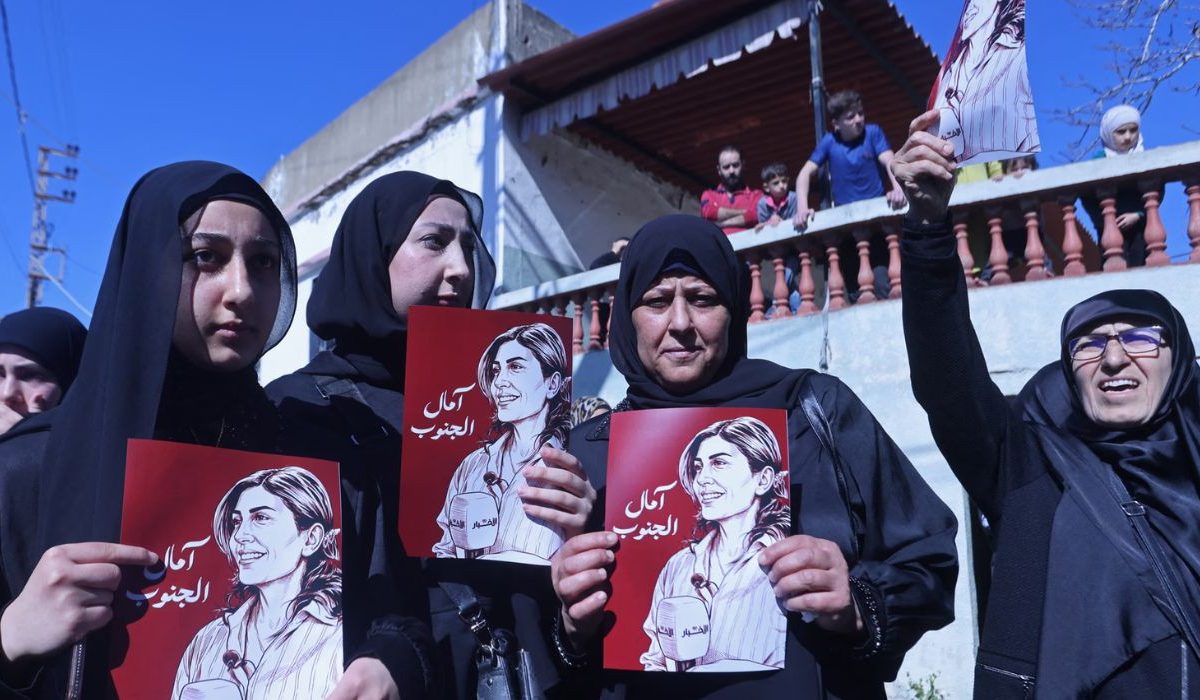
The controversy has significance beyond Lebanon because it highlights a familiar problem in conflict diplomacy: peace deals often stop violence faster than they secure justice. Human rights organizations have stressed that ceasefires should not become legal shields, especially when allegations involve civilian harm, war crimes, or attacks on journalists. In this case, the criticism is that the framework may freeze accountability at the exact moment it should be protected.
The debate also reinforces a broader lesson for future negotiations. If peace agreements do not clearly preserve legal remedies, they may unintentionally weaken international norms that depend on investigations, evidence, and prosecutions. The result can be a settlement that calms the battlefield while leaving the underlying grievances unresolved.