
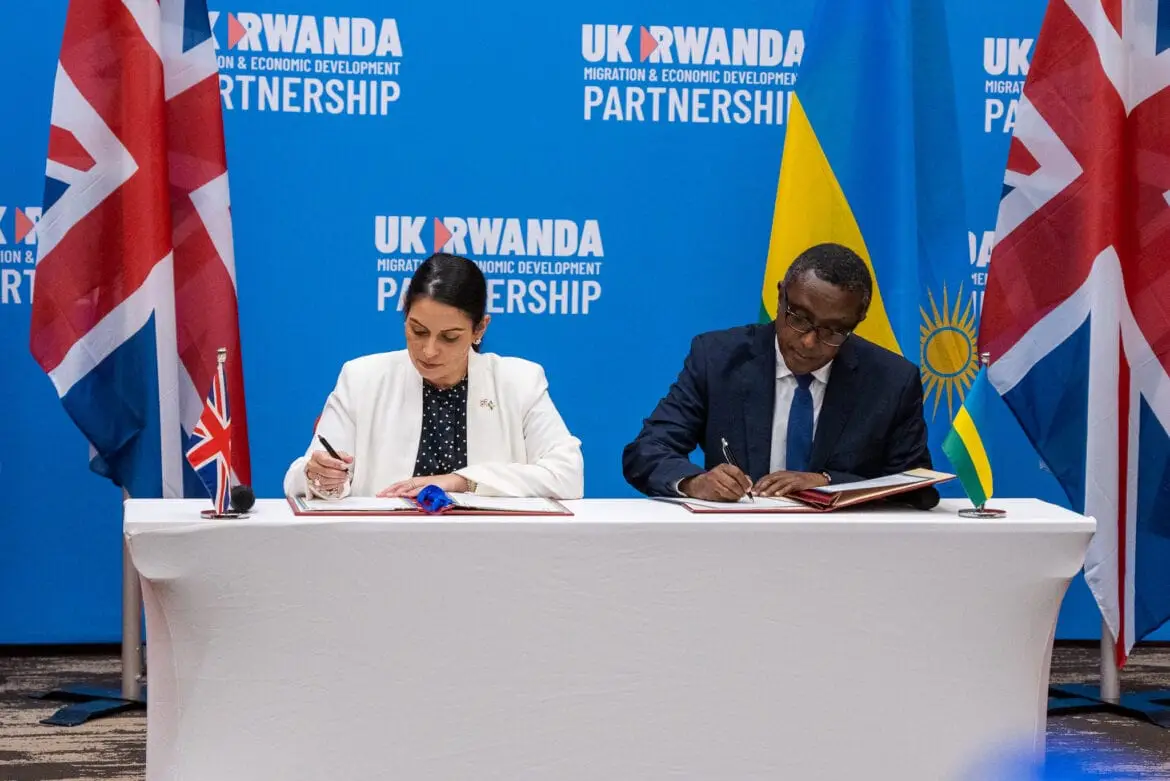
Rwanda has once again made headlines with a controversial migration deal—this time not with the UK, but with the United States. Under an agreement originally struck with the Trump administration, Rwanda has agreed to receive up to 250 migrants deported from the U.S. The migrants, described by the U.S. as “illegal aliens,” will be resettled in Rwanda with promises of job training, healthcare, and accommodation to help them restart their lives.
While Rwandan government spokesperson Yolande Makolo confirmed the deal and emphasized that Rwanda retains the right to approve or reject each individual case, the arrangement raises deeper questions about sovereignty, political alignment, and the nation’s role on the global stage.
Supporters of the deal may argue that Rwanda is simply exercising its right to engage in international partnerships. The offer of resettlement assistance—including housing and workforce integration—sounds positive on the surface. But the power dynamics behind the agreement deserve scrutiny.
For a country like Rwanda, still heavily reliant on foreign aid and diplomatic partnerships, agreeing to resettle deportees from a global superpower like the U.S. can be seen as a transactional arrangement, rather than one made entirely on sovereign terms. Is Rwanda making these decisions freely, or are they shaped by a need to stay in the good graces of powerful allies?
What’s even more concerning is the narrative coming from the U.S. side. A White House spokesperson told the BBC that it was working with countries “willing to assist us in removing the illegal aliens that [former President] Joe Biden had allowed to infiltrate the US.” This kind of language suggests the deal is less about humanitarian resettlement and more about outsourcing the U.S.’s controversial immigration problems—placing Rwanda in the position of a political tool rather than an equal partner.
Rwanda has built a reputation for being clean, stable, and forward-looking, but deals like this raise uncomfortable questions. Is the country truly in control of its immigration policies, or is it becoming a destination of convenience for wealthier nations offloading their own issues?
As Rwanda positions itself as a global player, it must tread carefully. Deals made in the name of pragmatism shouldn’t come at the cost of sovereignty—or dignity.