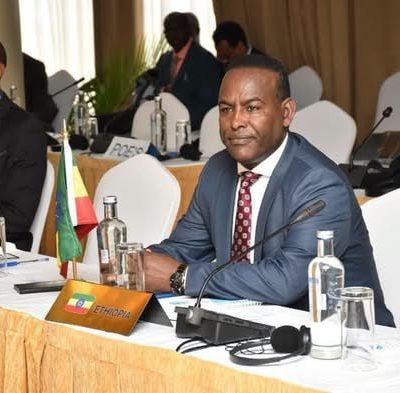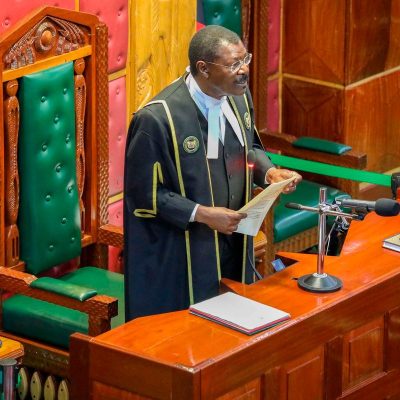

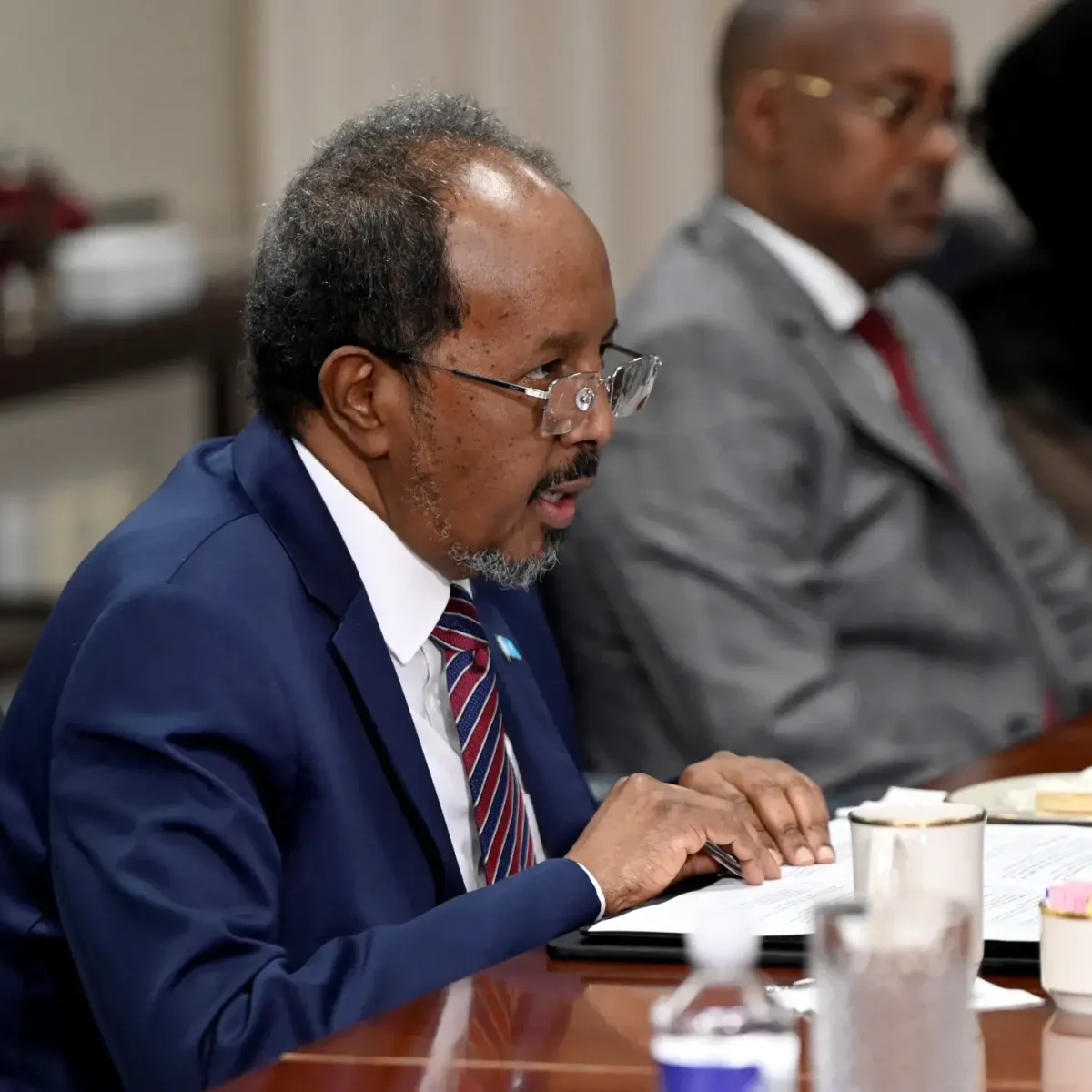
Somalia is taking a major linguistic and cultural step by introducing Swahili, East Africa’s lingua franca, into its national education curriculum. President Hassan Sheikh Mohamud announced the move at the East African Community (EAC) summit in Mogadishu, signaling Somalia’s growing commitment to regional unity and cooperation.
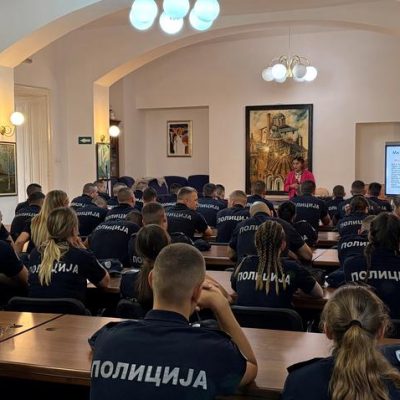
Currently, English serves as the main language of instruction in secondary schools across Somalia, while Arabic is the only other compulsory second language. However, this is about to change. “The country’s universities, especially the Somali National University, should focus more on developing the Swahili language, which is the language of East Africa,” President Mohamud said. He emphasized that adopting Swahili is crucial for Somalia’s integration into the region.
Swahili, spoken by more than 200 million people, is among the world’s ten most widely used languages. Its adoption in Somalia could open doors for increased trade, communication, and education across East Africa. Education Minister **Farah Sheikh Abdulkadir expressed the government’s ambition to make Swahili a language of everyday interaction. “We want to see Swahili become a language of communication, trade, and learning — even replacing English during our next conference,” he said.
The language already has roots in Somalia’s southern coastal regions, where Swahili dialects are spoken. Its use has expanded over the past decades, partly due to the civil war that began in 1991, which displaced many Somalis to neighboring Kenya. Those who studied there returned fluent in Swahili, bringing the language back with them.
The presence of African Union troops— many from Swahili-speaking nations—has also reinforced the language’s growth. With Somalia’s gradual stabilization, Swahili is now positioned to become a bridge connecting the nation more closely to its East African neighbors.
Until recently, Somalia’s education system relied on Arabic in junior schools and English in higher levels. Today, Somali is the primary language in early education, but Swahili’s introduction marks a forward-looking shift toward greater regional integration and identity.