

When a group of Kenyan influencers visited a market in Israel last year, an ordinary outing turned into an unexpected celebration after they began singing and dancing, drawing locals who joined them in a circle.
For Ariel Arviv, Israel’s Deputy Ambassador to Kenya, the spontaneous moment captured something deeper about the relationship between the two countries, their shared love for music, celebration and cultural expression.
It is this connection that the Israeli Embassy in Nairobi hopes to build on through music, using artistic performances and cultural exchanges to bring Kenyans and Israelis closer.
Speaking during the KitFest 2026 cultural showcase at the Kenya National Theatre, Arviv said her two years in Kenya had given her a new appreciation of the role music plays in bringing people together.
“Something I noticed here is music really brings people together. You hear it in the church, in the streets, clubs and even restaurants. Music is something that really connects everyone here,” she said.
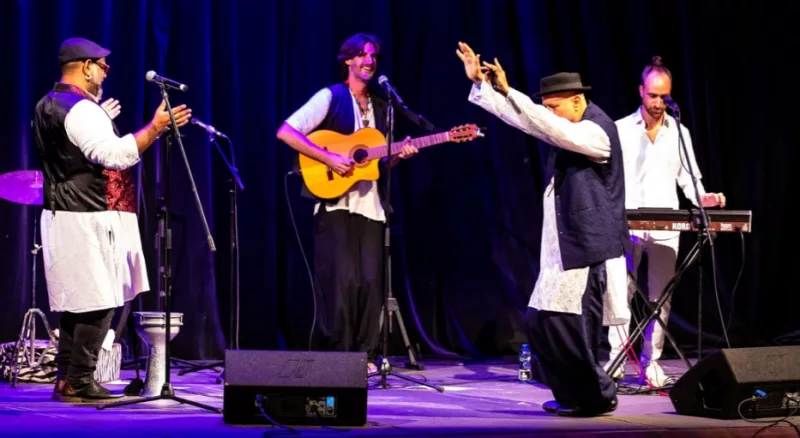
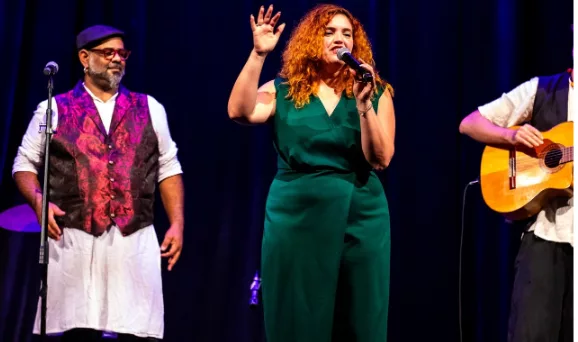
The Embassy brought Israeli musician and vocalist Gil Ron Shama and his ensemble to the festival, where they presented the Cafe Jallal Project, a multilingual musical experience featuring Hebrew and Arabic music.
The performance formed part of the Embassy’s efforts to complement traditional diplomatic engagements with cultural initiatives that encourage interaction between communities.
Gil Ron Shama said Kenya’s musical atmosphere struck him from the moment he arrived, describing music as something that seemed to be part of everyday life.
“The moment we landed in Kenya, we could hear music everywhere. It was beautiful to experience how music is part of the people’s everyday lives. I believe music has the power to spread awareness, bring people together and promote peace,” he said.
“Even at a time when Israel has so much going on, music remains an important way of connecting with people and sharing a message of peace.”
Arviv said the idea was to use music as another way of building bridges between the two countries, particularly given the similarities he has observed in their societies.
“So we thought as an Embassy, we are doing the classic diplomacy. But why won’t we also build up those bridges together with Kenya and Israel through music?” she said.
For her, the connection goes beyond entertainment as she believes both Kenyans and Israelis have a strong appreciation for family, their roots and the simple act of celebrating life.
“We celebrate life, music, family and it’s something that doesn’t require from us a lot of words, a lot of planning or explanations. We just come together,” she said.
The Embassy also hopes the engagement will not be a one-way affair, with Arviv extending an invitation to Kenyan musicians, dancers and theatre groups interested in showcasing their talents in Israel.
She said the Embassy was keen to create more opportunities for Kenyan creatives to perform abroad, building on previous exchanges involving Kenyan acrobats and dancers who travelled to Israel for performances.
She therefore encouraged artists interested in such collaborations to approach the Embassy in Nairobi, saying it was open to exploring partnerships with local creative groups.
“If you’re an artist and now you read those lines, please approach the Israeli embassy here in Nairobi. We are looking forward to partner up with you,” she said.
Beyond the performances and artistic collaborations, Arviv hopes such encounters will also give Kenyans a better understanding of Israeli society and the cultural influences that shape its people.
She said that while Israelis enjoy celebrating, their cultural and religious roots remain an important part of their identity, something that is also reflected in the music they create.
“I want them to understand that Israelis are like Kenyans in a way that we like to celebrate, but still we take a profound meaning from our roots, religion and our prayers,” he said.
She added that music also carries a shared desire for peace and serenity.
For the Embassy, bringing the Cafe Jallal Project to KitFest was therefore more than a musical performance.
It was an opportunity to create a space where different cultures could meet, discover common ground and build relationships beyond formal diplomatic engagements.