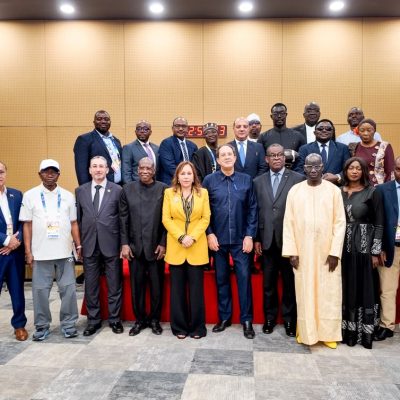


The partnership gives Tanzanian freelancers, entrepreneurs and businesses a direct link to global payments through a platform they already use
By Grace Wanja
KCB Bank Tanzania has become the first bank in the country to integrate PayPal services directly into its mobile banking application, in a move that connects Tanzanian customers to international payments without requiring them to leave their existing banking platform. The partnership, announced yesterday in Dar es Salaam, marks a significant step in the expansion of cross-border digital financial services across East Africa and positions KCB at the front of a rapidly shifting banking landscape.
The integration allows KCB customers to create or link a PayPal account directly through the KCB Mobile App, receive international payments from clients and customers around the world, make eligible global payments wherever PayPal is accepted, and withdraw their PayPal balances into their KCB accounts in Tanzanian shillings through a process the bank describes as simple and secure. For the growing number of Tanzanians earning income across borders — freelancers, content creators, tourism operators, small business owners and entrepreneurs selling into international markets — the development removes a layer of friction that has long complicated access to global digital commerce.
The timing is deliberate. Tanzania’s economy is producing an increasingly outward-looking generation of workers and business people who collaborate with international clients, serve global customers and access digital services that require reliable cross-border payment infrastructure. Until now, navigating that infrastructure typically meant operating across multiple platforms, each with its own login, its own fees and its own verification requirements. KCB’s integration collapses much of that complexity into a single, trusted application.
Josina Njambi, Head of Digital Financial Services at KCB Bank Tanzania, said the partnership represented a meaningful shift in what customers could expect from their bank. “Today, customers are no longer limited by geography,” Njambi said at the launch. “They can work with clients in other countries, run businesses online, sell to international markets and access services from across the world. Our role as a bank is to make those financial connections simpler, safer and more accessible.”
Njambi was direct about the ambition behind the move. “With PayPal now integrated into the KCB Mobile App, we are making that smarter way more accessible,” she said, framing the partnership not as a technical upgrade but as a reflection of the bank’s broader commitment to meeting customers where their economic lives are actually taking them.
The PayPal integration sits alongside KCB Bank Tanzania’s recently launched “Ina-Make Cents” campaign, a consumer-facing initiative that uses humour and relatable everyday scenarios to prompt Tanzanians to examine their financial habits and consider more effective approaches to managing money. Where the campaign raises questions about behaviour, the PayPal integration offers a practical answer — a tangible demonstration of what more considered digital banking can look like in action. The two initiatives, though distinct in character, carry a consistent message: that smarter banking is not an abstract ideal but something immediately available to customers through the tools already in their hands.
For KCB, the partnership is not simply about adding another payment option to an existing menu. The bank has been explicit that the opportunity lies in making global financial connections accessible through a platform customers already know and trust, rather than asking them to adopt yet another application or navigate yet another onboarding process. The practical mechanics of the integration reflect that logic. As part of the onboarding journey, customers can access PayPal and other digital banking services directly within the KCB Mobile App, alongside the broader benefits available to newly registered customers.
The move will be watched closely across the region. East Africa’s digital banking sector has grown rapidly in recent years, driven by mobile penetration, a young and technology-literate population, and a regulatory environment that has generally been receptive to financial innovation. The integration of a globally recognised payment platform into a local banking application raises the competitive bar and signals that Tanzanian banks are prepared to pursue partnerships that extend their customers’ reach well beyond national borders.
For small and medium-sized enterprises in particular, the implications are significant. Access to PayPal has long been a practical prerequisite for doing business with clients in Europe, North America and other markets where the platform is dominant. Having that access embedded within their primary banking relationship, rather than requiring separate account management and manual transfers, simplifies both the administrative burden and the financial risk associated with international transactions.
KCB Bank Tanzania has framed the partnership within its broader purpose — described by the bank as being “for people, for better” — and characterised its ongoing investment in digital innovation as central to that mission. The commitment to delivering secure, convenient and customer-focused banking experiences has been a consistent theme in the bank’s public communications, and the PayPal partnership gives that commitment a concrete and measurable expression.
For the Tanzanian freelancer working with a client in London, the content creator receiving payment from a platform headquartered in California, or the tourism operator invoicing guests who booked from abroad, yesterday’s announcement changes something practical and immediate about how they move their money. In a country where the intersection of local ambition and global opportunity is becoming ever more visible, that is a development worth noting.
Similar Posts by The Mt Kenya Times: