

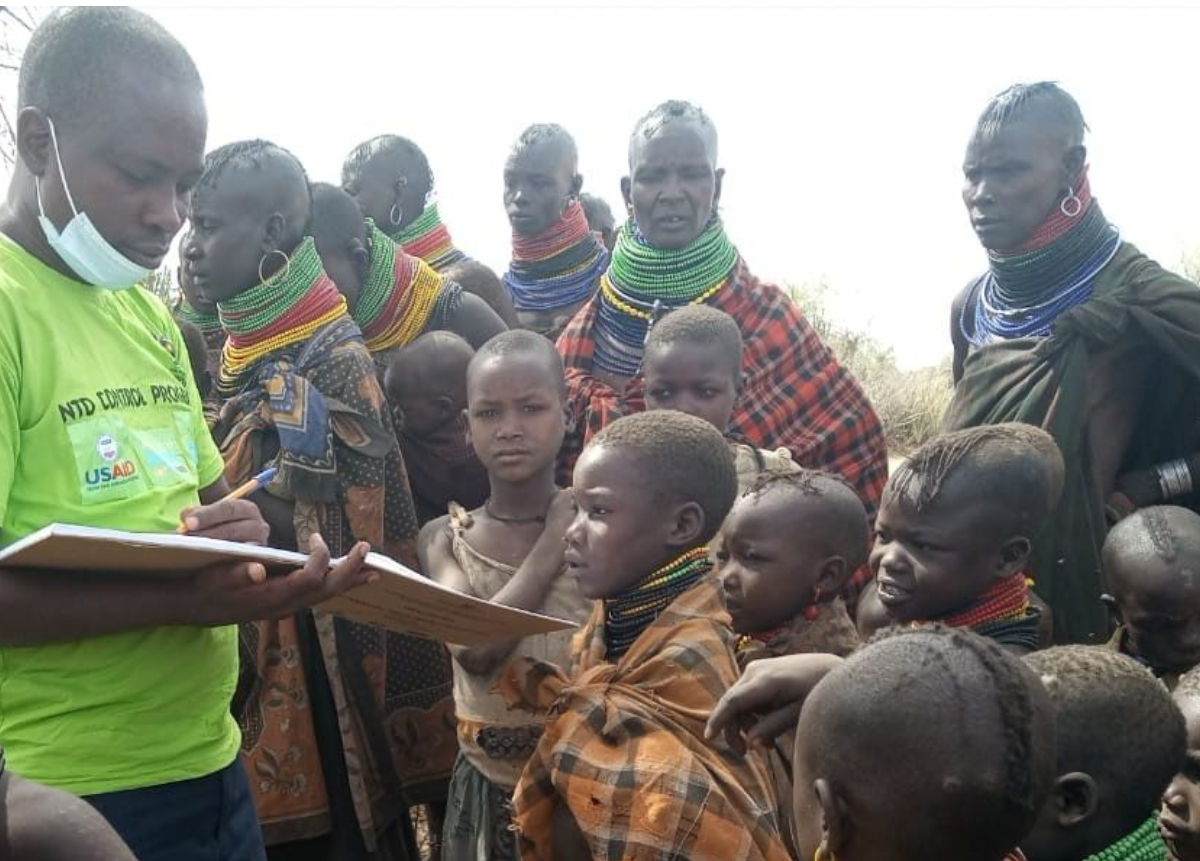
Researchers are suggesting a shift in Kenya’s approach to combating intestinal worms, advocating for targeted interventions over the current widespread mass drug administration program. A new national study highlights significant regional variations in worm infections, indicating that a one-size-fits-all strategy may be inefficient.
Study Findings on Worm Prevalence
A recent study published in the International Journal of Infectious Diseases mapped the distribution of hookworm, whipworm, and roundworm across Kenya. The research analyzed data from 146,668 school-going children sampled in 3,752 schools across 207 sub-counties between 2021 and 2024. Using geostatistical modeling, the study revealed substantial regional differences in infection rates. Hookworm prevalence was generally low, averaging 0.6 percent nationally, though six percent of sub-counties, primarily in coastal areas, exceeded the two percent threshold for treatment consideration. Whipworm infections were more prevalent in southwestern and coastal regions. Roundworm exhibited the highest prevalence, concentrated in western Kenya, with some sub-counties showing rates above ten percent.
Call for Targeted Interventions
The study’s authors argue that continuing with the current blanket treatment approach risks inefficient use of resources while neglecting areas with high infection rates. Dr. Nyamai Mutono, the study’s lead author and a Senior Research Fellow at the Centre for Epidemiological Modelling and Analysis (Cema) at the University of Nairobi, emphasized the need for sub-county-level intervention strategies to optimize resource allocation and achieve disease elimination. Intestinal worms disproportionately affect impoverished rural communities and contribute to health issues like school absenteeism, malnutrition, and developmental delays in children.
Resource Optimization and Precision Public Health
Researchers suggest that detailed data on infection prevalence should inform decisions regarding drug selection, treatment targets, and frequency. This precision allows for resource reallocation to high-prevalence areas while reducing treatment intensity in regions with lower risk. The study estimates the probability of different regions exceeding key prevalence thresholds of two, ten, and twenty percent, finding that the probability of exceeding twenty percent remained below 0.5 percent nationally. However, several western, southwestern, and coastal sub-counties showed a high likelihood of exceeding lower thresholds for roundworm and whipworm.
Considerations Beyond Medication
The study also highlights the importance of considering drug effectiveness across different worm species, noting that benzimidazole drugs are less effective against whipworm and may necessitate alternative treatments in some areas. Kenya’s devolved health system presents an opportunity to tailor interventions to local conditions using high-resolution data. Investment in water, sanitation, and hygiene is also crucial, particularly in regions where roundworm and whipworm persist, to prevent reinfection.
Kenya’s Goals and the Path Forward
Kenya has utilized mass drug administration, primarily through school-based programs, for over a decade as a cornerstone of its fight against neglected tropical diseases, contributing to progress toward eliminating some diseases and earning Guinea worm elimination certification in 2018. The nation aims to reduce soil-transmitted helminth prevalence to below two percent by 2027, aligning with the World Health Organization roadmap. Achieving this goal, researchers contend, requires moving beyond blanket solutions and embracing data-driven, targeted action that reflects Kenya’s diverse epidemiological landscape.