
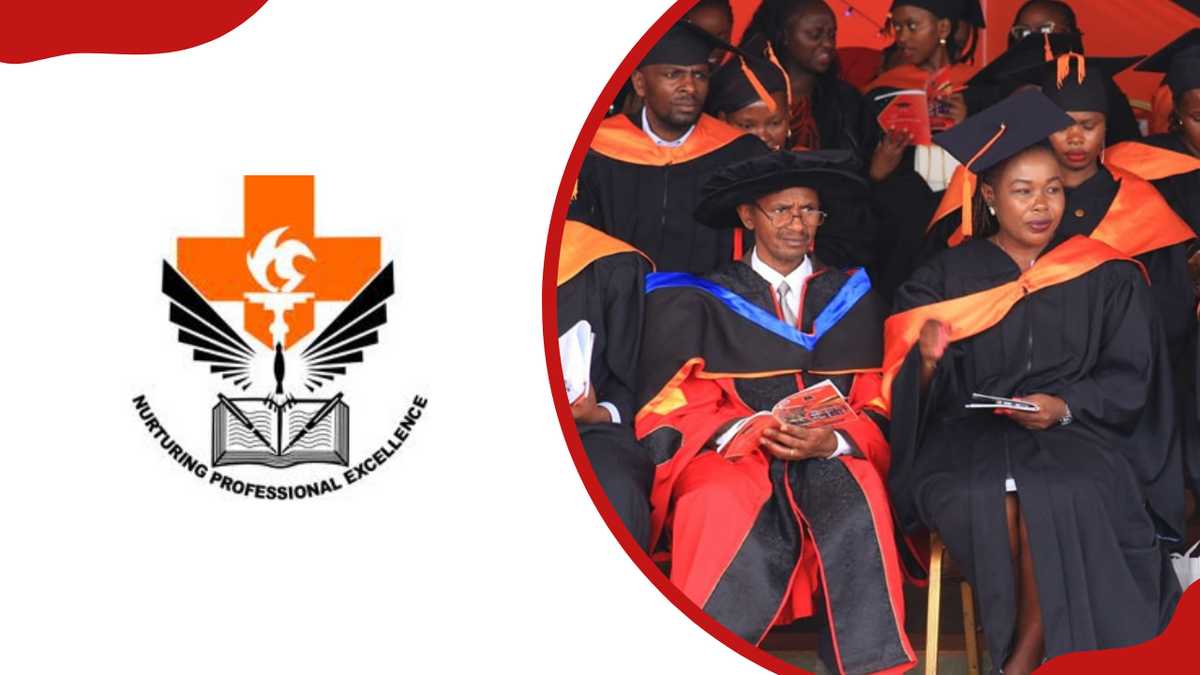
The Thika School of Medical and Health Sciences is training the next generation of Kenya’s medical professionals, playing a vital role in the country’s pursuit of Universal Health Coverage. As demand for skilled healthcare workers rises across East Africa, institutions like this are becoming increasingly essential to staffing both public and private hospitals.
Kenya’s health sector faces a critical need for skilled professionals. World Health Organization indicators show that the density of these professionals remains below recommended levels, necessitating a focus on middle-level training colleges to address the gap. Thousands of students enter these institutions annually, facing rigorous academic demands, financial burdens, and regulatory oversight.
The Pipeline of Clinical Competence
The Thika School of Medical and Health Sciences exemplifies the broader Technical and Vocational Education and Training sector in Kenya, prioritizing clinical competency over research and administration. The institution offers diploma and certificate programs, which are crucial for healthcare delivery in rural and peri-urban areas.
Stringent requirements now govern these programs, reflecting a government effort to standardize quality. Prospective students must meet specific entry grades for medical science courses, requiring a foundation in biological and physical sciences. This process is intended to safeguard patients from substandard care. Applicants generally require a minimum mean grade of C (Plain) or C- (Minus) for diploma and certificate programs, respectively, with mandatory credits in English, Kiswahili, and Biology. Students must also complete mandatory clinical rotations in accredited hospitals, and the institution’s curriculum must align with the Kenya National Qualifications Authority framework. The school operates on a three-cycle annual intake—typically January, May, and September—to maximize the use of laboratory facilities and clinical training partners.
The Economics of Medical Education
Investing in medical training represents a significant financial commitment for Kenyan families. Tuition fees vary depending on the course, and costs include registration, examination fees, equipment, uniforms, and accommodation. A standard registration fee is KES 1,000.
Economic analysts at the Central Bank of Kenya have noted that rising private education costs pose a barrier for the middle class. However, the return on investment remains high, with graduates from recognized institutions often achieving employment rates exceeding 70 percent within two years, particularly in private hospital networks in Nairobi and surrounding towns. A disparity exists between tuition costs and entry-level salaries in the public sector, which can burden graduates with educational loans.
Regulatory Rigor and Institutional Responsibility
Located in Kiambu County, Thika’s position as an industrial and educational hub provides strategic advantages for health science students, including proximity to high-volume hospitals for clinical attachments. Competition for clinical placement spots in public hospitals is intense, requiring schools to maintain strong partnerships with healthcare providers.
The institution’s management must balance student enrollment with infrastructure capacity. Over-enrollment without corresponding expansion in laboratory equipment or teaching staff can lead to a decline in quality, a concern regulatory authorities are increasingly addressing. Recent audits by the Technical and Vocational Education and Training Authority emphasize transparent reporting on infrastructure and student-to-tutor ratios to prevent substandard institutions.
The Road Ahead
As Kenya approaches 2030, the reliance on institutions like the Thika School of Medical and Health Sciences will intensify. A shift toward preventative healthcare requires a large workforce of community health volunteers and mid-level practitioners capable of delivering care at the local level. The success of this transition depends on the transparency of these institutions, the rigor of their curriculum, and their ability to connect classroom learning with the realities of hospital practice.
The graduates of Thika School of Medical and Health Sciences represent Kenya’s future healthcare workforce. Their individual stories will ultimately define the success of the national health agenda.