

A recent report published by the American Civil Liberties Union, based on more than 1,200 reported incidents involving federal, state and local law enforcement officers engaged in immigration enforcement across eight states, found that more than 50 people died in Immigration and Customs Enforcement detention during the second Trump administration between January and December 2025.
In addition to those reported deaths, the ACLU said at least eight other people were fatally shot by ICE and Customs and Border Protection officers. The report also documented law enforcement actions during immigration-related stops and arrests, identifying 375 incidents involving the use or threat of force. Of those, 241 involved physical force, while 128 involved threatened force, including the brandishing of weapons or verbal threats to use them.
The report included an in-depth analysis of immigration enforcement operations in Arizona, California, Colorado, Florida, Illinois, Louisiana, Maryland and New Mexico. Among its most significant findings was the widespread use of force against individuals.

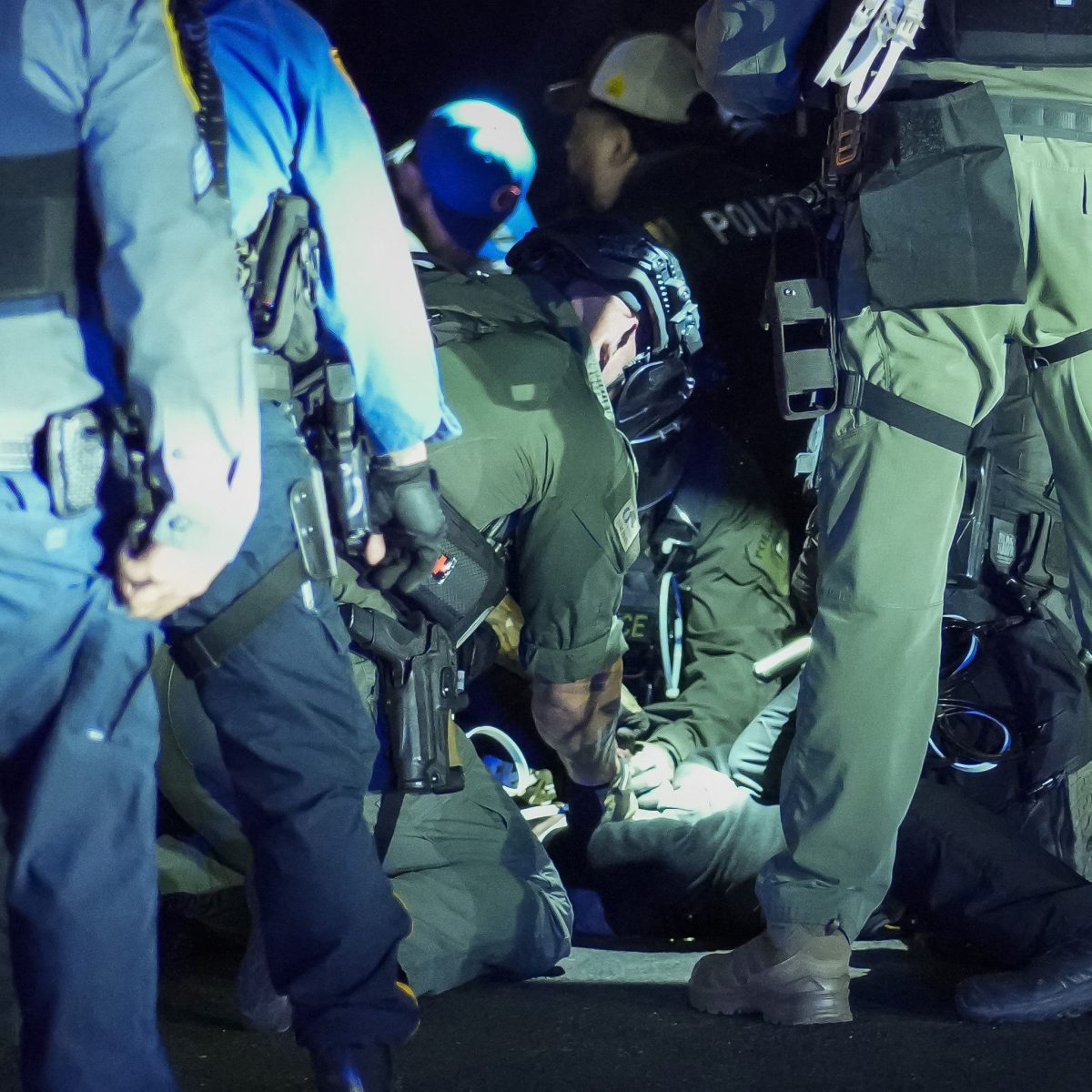
According to the report, agents pushed, shoved, tackled or pinned people in 418 separate instances. They pressed their knees or hands on people’s backs or necks 52 times and grabbed people by the neck to pin or drag them in 19 instances. Agents also used chokeholds in 10 cases. In total, the report documented 81 instances in which agents used tactics that the ACLU and civil rights experts who contributed to the report said are restricted or prohibited by many law enforcement agencies because they can restrict breathing and become deadly.
As highlighted in the report, violent conduct by immigration agents points to what the ACLU describes as an alarming trend toward normalizing the use of force. That also includes the alleged reckless use of vehicles during stops and arrests. Among the 1,200 cases reviewed, the ACLU found that agents boxed in people’s vehicles 53 times, drove in ways that endangered people or caused crashes 15 times, rammed vehicles into people’s cars 14 times and struck people with vehicles six times.
Enforcement against children
Between January and December 2025, agents arrested children, carried out enforcement actions in front of children and conducted operations in places where children were present, including school pick-up and drop-off areas. The report also documented cases in which children were present even though there was no apparent need for them to be.
The ACLU identified 157 cases in which children were present or directly targeted during enforcement actions near schools, traffic stops, home raids, court appearances and immigration check-ins. Of those, 54 involved agents directly questioning or detaining children. The organization also documented 214 children who were detained, targeted for enforcement or subjected to law enforcement misconduct.
“Instead of protecting children, the administration turned their enforcement tools against them, targeting children either individually or as part of families,” the report states.

U.S. citizens not exempt from immigration enforcement
According to the report, no one was exempt from immigration enforcement actions, including children, people with legal status and even U.S. citizens.
The ACLU documented 200 incidents involving people who were detained, targeted for enforcement or subjected to law enforcement misconduct. Of those, 155 involved U.S. citizens, including 18 Indigenous people, 30 lawful permanent residents and 10 recipients of Deferred Action for Childhood Arrivals.
People with disabilities, older adults and pregnant women were also among those affected by enforcement actions.
In one of the cases documented by the ACLU, ICE detained two Honduran women in Louisiana during routine check-ins and deported them along with their children, three of whom were U.S. citizens. One of the women was pregnant, and one of the deported children had a rare form of cancer. Despite that, ICE deported the child without medication or an opportunity for the child’s doctors to provide guidance on continuing treatment, the report said.