
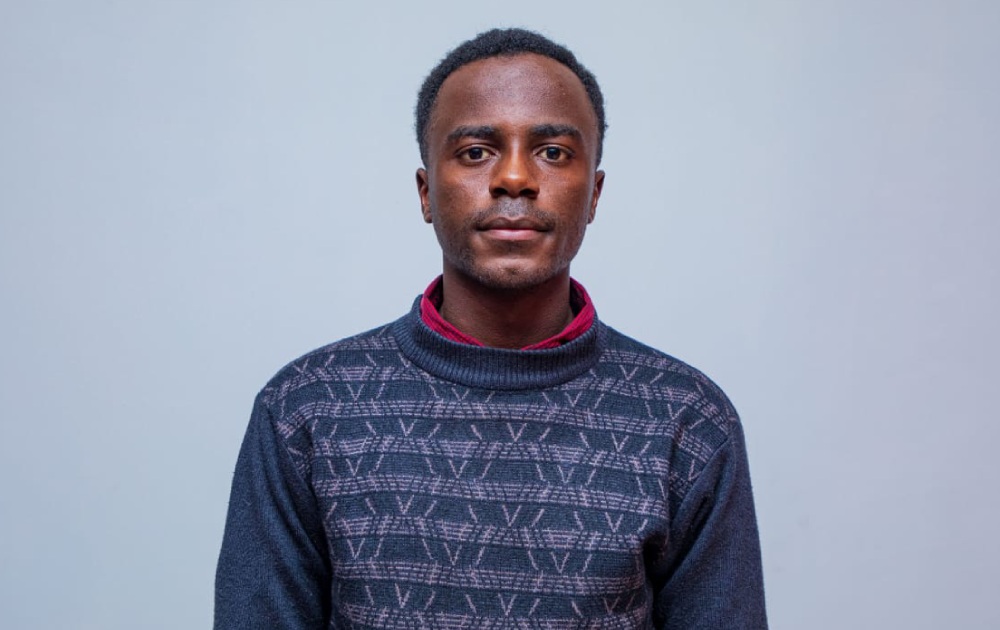
“Education financing is actually too important and fragile to be treated as a series of experiments.” – Ken Muthomi
President William Ruto’s proposal to fully fund university education for all students admitted to public universities has been welcomed by some as a bold step toward expanding access to higher education, but others remain skeptical about whether the government can deliver on the promise.
On paper, this is actually a very attractive idea. The prospect of every qualified student attending university without worrying about tuition fees is one that any country aspiring to be identified as a third-world nation by building a knowledge-based economy would welcome.
The new proposal, which was tabled in parliament this week, comes barely three years after the administration announced the rollout of the Student-Centred Funding Model (SCFM), which now replaced the Differentiated Unit Cost (DUC) funding system.
If this universal funding actually sails through, it will now be the fourth University financing under President Ruto, which includes the DUC, two versions of the Student- Centred Funding Model, which have been unsuccessful due to significant underfunding, leaving some institutions in debt as the government fails to fully fulfil its commitments to fund them.
The previous models promised to allocate government support based on students’ financial needs, ensuring that those from poor households received more assistance, but it actually ended up triggering confusion, legal challenges, public protests, and numerous complaints from students and parents over placement into funding bands.
Although the government continued to defend the reforms and made several adjustments along the way, many Kenyans remained unconvinced.
Speaking in State House this week, as he presented the plan, the Head of State, who has since his election in 2022 faced significant backlash over unsuccessful signature projects, said that the new model is a game changer because the government has reviewed glitches on previous funding models and has now made reforms in the new one to ensure that it is successful.
“Going forward, any student, so long as they have passed their examinations and they have been placed in a college or university, will get full funding for their higher education. It will be the choice for parents if they want to pay,” Ruto said.
“Countries that are ahead of us had high-quality education. Education was a central pillar. My team tells me that education makes us equal and has no equal. That is where we are taking this.”
The swift succession of these models now triggers questions about policy consistency. Education financing is actually too important and fragile to be treated as a series of experiments.
For every model, universities, students, parents, lenders, and policymakers need to adopt it, but these constant changes have created uncertainty and made long-term planning difficult for institutions that are already grappling with financing issues.
A policy, in all sectors, should not simply sound appealing on paper; it should also demonstrate that it is feasible and financially sustainable.
In recent years, renowned public universities have continued to face significant financial challenges, with some accumulating substantial debts, struggling to meet payroll obligations, maintain infrastructure, or recruit enough teaching staff.
On the other hand, student accommodation remains inadequate on many campuses, laboratories require modernization, and research funding remains limited.
Against this backdrop, promising universal government funding inevitably raises questions about affordability. How much will it cost? Where will the additional money come from? Will the Treasury be able to sustain the commitment year after year, especially amid competing demands on public finances?
But perhaps, a larger issue lies somewhere else. Universities represent the final stage of a much longer educational journey that begins in early childhood education, progresses through primary school, and continues into secondary school.